





wildfowling
wildfowling

Wildfowling season roundup: progress, partnerships and what comes next

BASC and wildfowlers have delivered important progress this season, from the Sustainable Shooting Code of Practice to conservation work and collaboration with regulators. 

wildfowl

Have you adopted the BASC Sustainable Shooting Code of Practice?

The UK government has committed to reviewing Schedule 2 of the Wildlife and Countryside Act 1981. This review will be subject to a public consultation.

BASC carried out its own detailed review of UK quarry bird species. The findings led to the development and implementation of the BASC Sustainable Shooting Code of Practice.

The code supports the long-term future of shooting by setting clear, evidence-based expectations. It encourages species-specific restraint, promotes eating what you shoot and highlights the importance of practical conservation. It also recognises the role of citizen science and data collection in improving our understanding of quarry species.

The wildfowl and wetlands team has travelled far and wide over the season, discussing and promoting the code, as well as highlighting the challenges we face on the horizon.

By the end of 2025, awareness and adoption of the code continued to rise among BASC-affiliated wildfowling clubs. Awareness increased to 91% (up from 88% at the end of 2024), while formal adoption grew significantly to 66% (up from 49%), reflecting strong progress in responsible wildfowling management. Many clubs that have not yet formally adopted the code have already followed similar or stricter principles or intend to adopt it in the future. Self-regulatory practices are also being strengthened, with most clubs enforcing measures such as bag limits, no-shooting zones, and visit or bag record reporting.


If your club plans to adopt the Sustainable Shooting Code of Practice at its AGM, has already done so, or would like BASC to attend an AGM to discuss it, please email us. Demonstrating adoption across the community helps show that responsible self-regulation is working.

UNESCO recognition for wildfowling

BASC is working to have wildfowling recognised as part of the UK’s inventories of Living Heritage, and we are asking wildfowlers to help support the application.

As part of the 2003 UNESCO Convention for the Safeguarding of Intangible Cultural Heritage, the UK is creating inventories of living heritage. These will record traditions, skills and customs passed down through generations.

Wildfowling is one of several shooting activities BASC is proposing for inclusion across the four home nations. Recognition would help highlight its cultural importance.

Wildfowlers can help by sending:

  • letters of support (an example linked to falconry in Ireland can be found here) 
  • personal stories about wildfowling traditions
  • historical archive material or photographs held by clubs

Material can be sent by email or by post to BASC at Marford Mill, to BASC’s head of social science, Patrick O’Reilly, who leads on this project.

The application must be submitted by 27 March, so please send your letter of support and/or supporting material as soon as possible.

wildfowl

Promote your club through BASC

We will soon update our Wildfowling Permits and Handbook and the online club directory. This gives affiliated clubs an opportunity to promote themselves and connect with prospective wildfowlers.

Listings allow clubs to highlight membership and shooting opportunities.

If your club would like to be included, we will need:

  • a map pin location
  • a good quality club logo or photograph of your marsh, estuary or foreshore
  • a short description of the club
  • contact details or preferred enquiry method

To feature in the handbook, please contact our team by the end of March 2026. You can contact us anytime to be included in our online club directory.

marshland

BASC and Defra on the marsh

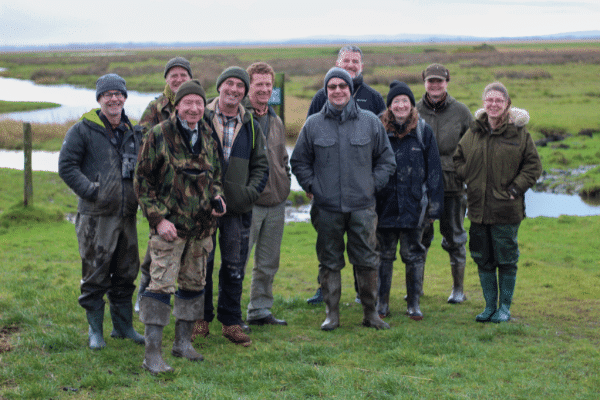
In November, BASC hosted representatives from Defra on the Ribble Estuary in north-west England alongside members from Lytham & District Wildfowlers Association and Preston and District Wildfowlers Association.

The visit allowed officials to see the conservation work carried out by clubs and spend time on the marsh. Feedback from those who attended was very positive.

Wildfowling in Scotland

In late November, BASC's wildfowl and wetlands team held a meeting in collaboration with the BASC Scotland team and representatives from wildfowling clubs across the country.

The gathering brought together clubs to discuss the current situation for wildfowling in Scotland. Discussions focused on protecting and promoting wildfowling while continuing the conservation work carried out by clubs. Further meetings with clubs are planned in the coming months.

Make the most of the closed season

The closed season provides time for habitat management, monitoring and associated conservation work. Below are a few examples of BASC projects you can get involved in during the off-seaon.

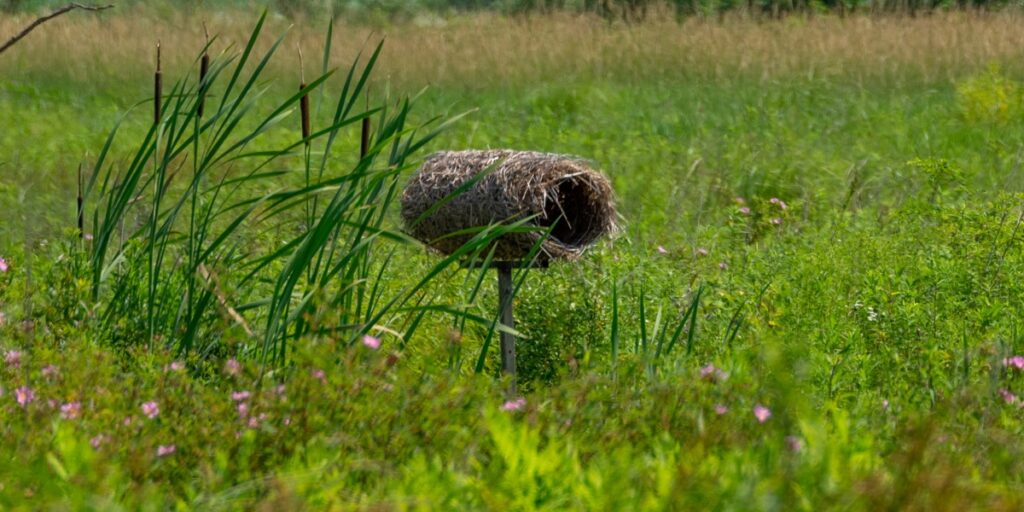
Duck nest tubes

Make sure your nest tubes are in place ahead of the breeding season. Guidance on siting and monitoring nests can be found on the duck nest monitoring project webpage.

BASC Wing Survey

If you still have wings to submit, please contact your regional BASC team or the wildfowl and wetlands department. We may be able to arrange collection or you can post them to BASC.

Share your club’s work

If your club is organising a litter pick or another conservation activity during the closed season, please let our team know. BASC can help share these stories and highlight your work.

Funding for conservation projects

The BASC Wildlife Fund is accepting expressions of interest for funding support from 1 February to 27 March 2026. Major grants of up to £100,000 are available for projects that deliver long-term, practical conservation benefits.

You can find further guidance on applying for a BASC Wildlife Fund small grant here and major grant here.

So, as we reflect on another wildfowling season and look forward 1 September, remember that BASC’s team are here to provide you with expert advice and guidance all year round. Read more and get in touch via our wildfowling page here.

Share

Privacy Overview

This website uses cookies so that we can provide you with the best user experience possible. Cookie information is stored in your browser and performs functions such as recognising you when you return to our website and helping our team to understand which sections of the website you find most interesting and useful.