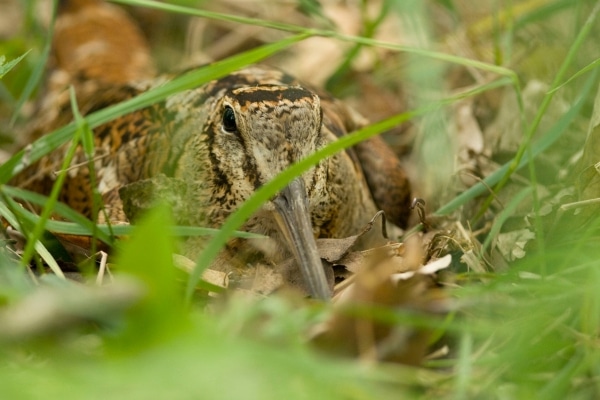
Promising woodcock numbers show self-regulation in shooting works
A study carried out by BASC and the University of Exeter into the UK’s resident woodcock population has heralded positive results.

Get information on the legal shooting season for mammals and birds in the UK.
Apply for funding for your project or make a donation today

Comprehensive information and advice from our specialist firearms team.

Everything you need to know about shotgun, rifle and airgun ammunition.


Find our up-to-date information, advice and links to government resources.

Everything you need to know on firearms law and licensing.
All the latest news and advice on general licences and how they affect you.

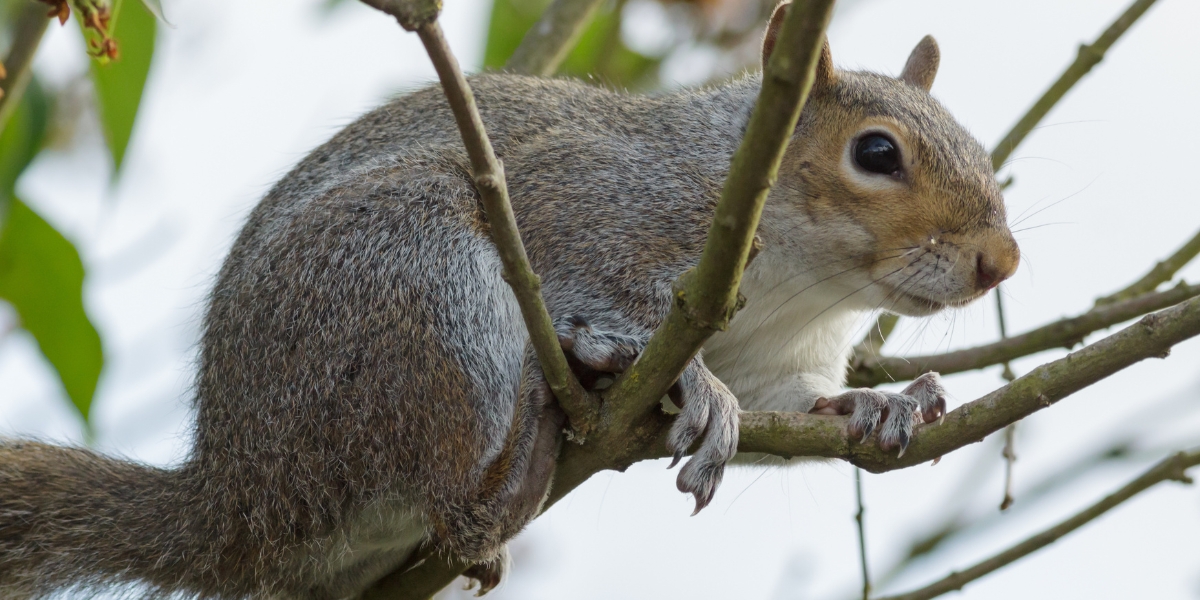
BASC has welcomed the release of a new government policy paper, in which the shooting community is a key partner in red squirrel recovery and woodland health in general.
Grey squirrels are an invasive non-native species in the UK and cause widespread damage to woodland and forests. Shooting and trapping are core methods for culling grey squirrels and the new policy increases the opportunity for practitioners.
Defra’s paper is titled: Grey squirrel policy statement: managing the impact of grey squirrels. It works across five key areas and BASC and shooting are engaged in each of them.
The policy will support landowners’ responsibilities to manage grey squirrels. One critical objective is to increase the area of land entering the Countryside Stewardship grants scheme for squirrel control. The reality is most landowners need someone to assess the damage caused and control grey squirrels. People who shoot on the land are already a trusted source of volunteers to do this.
This policy recognises the importance of delivering through partnerships. It highlights the role of Local Nature Recovery Strategies in promoting grey squirrel management. BASC has responded to 48 consultations on Local Nature Recovery Strategies in England recommending they do precisely this.
The plan also commits to allow volunteers to assist with grey squirrel control on Forestry England land. This is something BASC has a track record in delivering through our partnership with The National Forest.
BASC has also supported research into other methods of grey squirrel control to give a long-term solution. This includes working with the Animal and Plant Health Agency (APHA) on its immuno-contraception project and engaging with pine marten reintroduction projects across the UK.
BASC volunteers have undertaken fieldwork with APHA on assessing grey squirrel numbers and effective ways to deliver the contraceptive. Communications and guidance, training and skills are the remaining themed areas, on which BASC is delivering strongly.
Ian Danby, BASC head of biodiversity, said: “We have worked closely with Forestry Commission and the UK Squirrel Accord to see this plan updated and are delighted with its contents. The role of people who shoot in supporting red squirrel recovery projects and wider grey squirrel management is vital for delivering this policy.
“BASC directly supports delivery through providing training to UK Squirrel Accord volunteers to undertake control. We communicate widely to our members on how to manage woodlands to improve their overall ecological condition.”
Martin Edwards, BASC head of deer and woodland management, added: “Grey squirrel management has benefited from the long-term input from the shooting community and BASC. This updated policy closely aligns with what we are doing already and opens the pathway for shooting to do more.”
For more information and guidance on grey squirrel control, visit our advice hub here.
A study carried out by BASC and the University of Exeter into the UK’s resident woodcock population has heralded positive results.

BASC questions Natural England’s commitment to conservation amid failing licensing performance that threatens biodiversity.
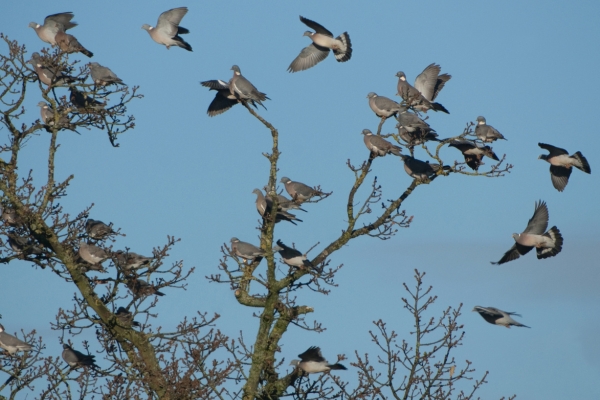
BASC member Richard Hall shares his journey from clay shooting to the rewarding experience of roost shooting.