
Open letter to the Scottish Animal Welfare Commission
Read our open letter to the Scottish Animal Welfare Commission following the Scottish Government’s response to the deer working group project.

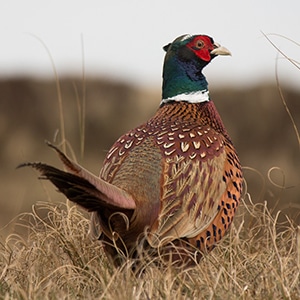
Get information on the legal shooting season for mammals and birds in the UK.
Apply for funding for your project or make a donation today

Comprehensive information and advice from our specialist firearms team.

Everything you need to know about shotgun, rifle and airgun ammunition.


Find our up-to-date information, advice and links to government resources.

Everything you need to know on firearms law and licensing.
All the latest news and advice on general licences and how they affect you.

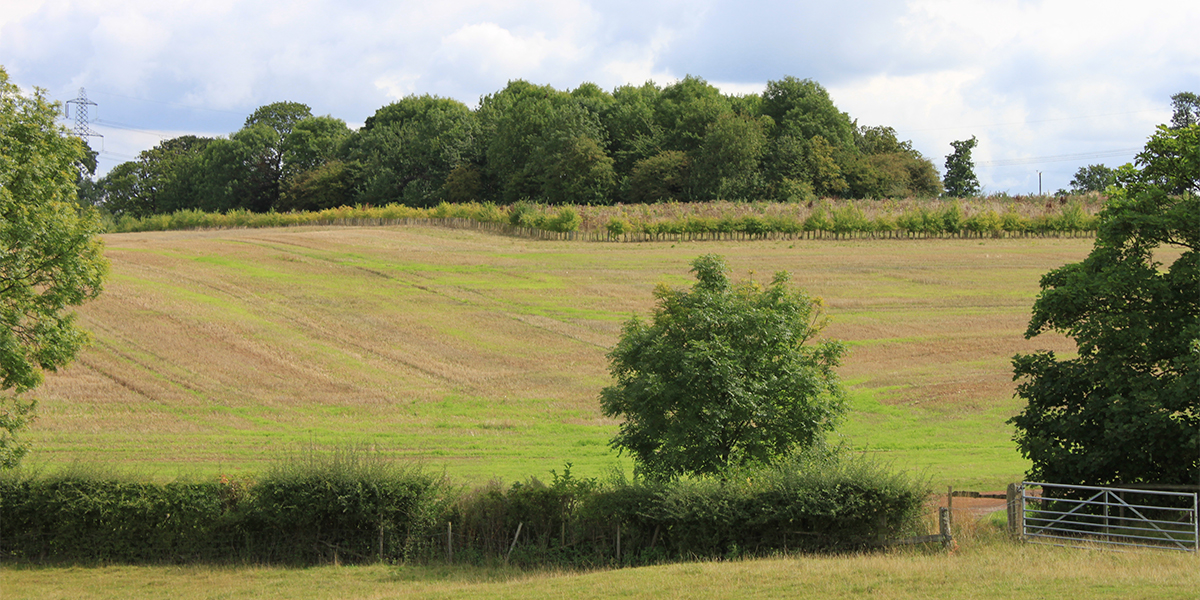
BASC has welcomed the publication of the Government’s long-awaited review of the Environmental Improvement Plan.
The review of the Environmental Improvement Plan (EIP), brought forward earlier than scheduled, provides a timely opportunity to underline the vital contribution that shooting and conservation-minded land management make to national nature recovery ambitions.
BASC’s detailed analysis of the EIP framework shows that shooting directly supports six of the plan’s ten goals and contributes to 18 separate Government environmental targets, including four legally binding obligations established under the 2021 Environment Act. As policymakers refine delivery mechanisms, BASC is urging government to recognise and expand the role of shooting and those who manage land for it.
The updated EIP retains its headline targets and goals but introduces new milestones and delivery plans designed to accelerate progress. The most significant for the shooting community is the Farmland Wildlife Delivery Plan, which closely aligns with the habitat creation and management that shoots and conservation-focused farmers have been undertaking for decades.
The plan seeks to double the number of farms providing year-round resources for wildlife, primarily by increasing uptake of agri-environment schemes such as the Sustainable Farming Incentive (SFI) and Countryside Stewardship. It identifies four essential resource areas:
To be counted as contributing, land managers must deliver at least one action from the first three categories and dedicate a minimum of seven per cent of their holding to actions across the four groups.
For BASC and the shooting community, this approach reflects long-established best practice. It is well evidenced that shooting provides a powerful driver for farmers and land managers to create and maintain hedgerows, woodlands, grass margins, conservation headlands, beetle banks, wild bird cover, winter feeding cover and a host of other habitats. These improvements often combine private investment from shoots with well-targeted use of agri-environment funding.
Ian Danby, BASC’s head of biodiversity, said: “Shooting already contributes significantly to the legally binding targets and wider goals within the Environmental Improvement Plan. With the new delivery plans, it will become even more evident how shooting works hand in hand with farmers to provide the habitat and management essential for nature recovery. BASC will continue to lobby Government to ensure policies support and encourage the vital role our sector plays.”
Shooting offers a rare example where environmental improvement and economic return are fully aligned. High-quality habitat is fundamental to sustainable shooting, meaning conservation investment directly enhances outcomes- supporting biodiversity, producing healthy wild food, improving wellbeing and strengthening food and material security for farmers and foresters.
These benefits are explored in depth in BASC’s inaugural Natural Capital Benefits of Shooting report, which showcases the substantial ecosystem services generated by shooting-related land management.
Read our open letter to the Scottish Animal Welfare Commission following the Scottish Government’s response to the deer working group project.

BASC has sought clarification of the Welsh Government’s position on country sport through Samuel Kurtz MS.

The Home Office minister responsible for firearms licensing last week addressed a meeting of the All Party Parliamentary Group on shooting and conservation.