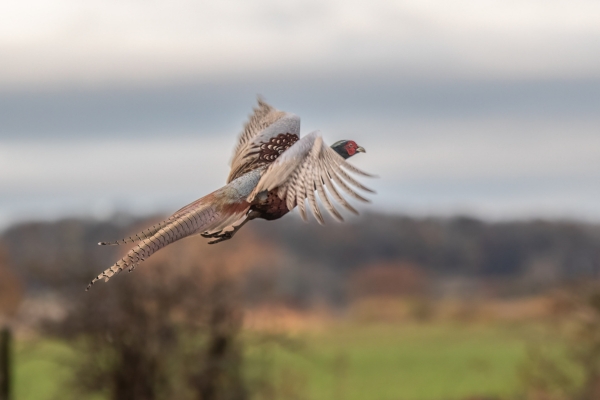
Gamebird release on protected sites in England: where are we now?
Glynn Evans brings us up to date on the general licences which permit the releasing of gamebirds on European protected sites in England, and discusses what comes next.

Get information on the legal shooting season for mammals and birds in the UK.
Apply for funding for your project or make a donation today

Comprehensive information and advice from our specialist firearms team.

Everything you need to know about shotgun, rifle and airgun ammunition.


Find our up-to-date information, advice and links to government resources.

Everything you need to know on firearms law and licensing.
All the latest news and advice on general licences and how they affect you.

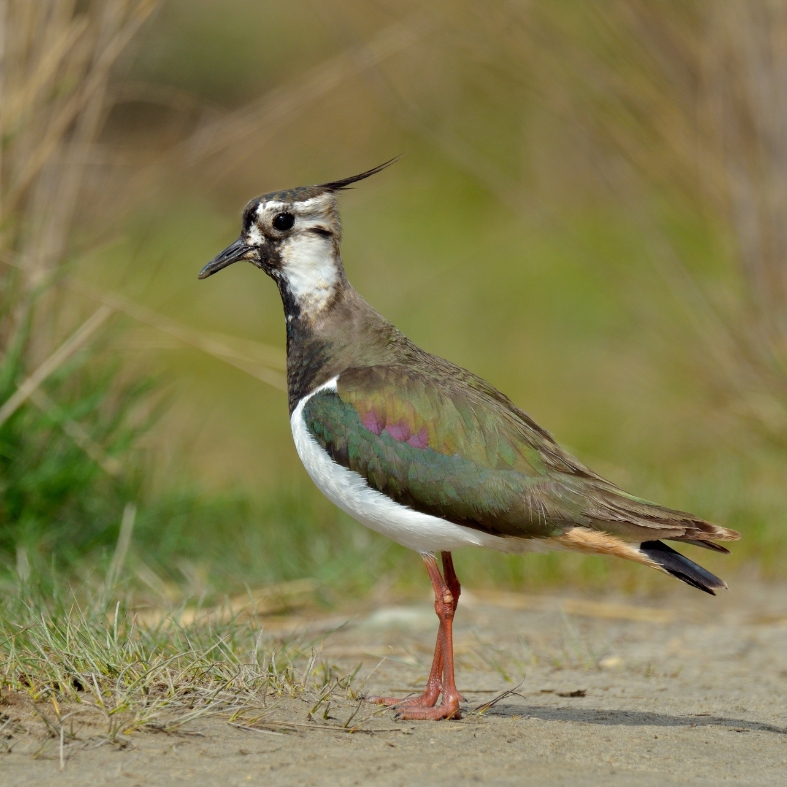
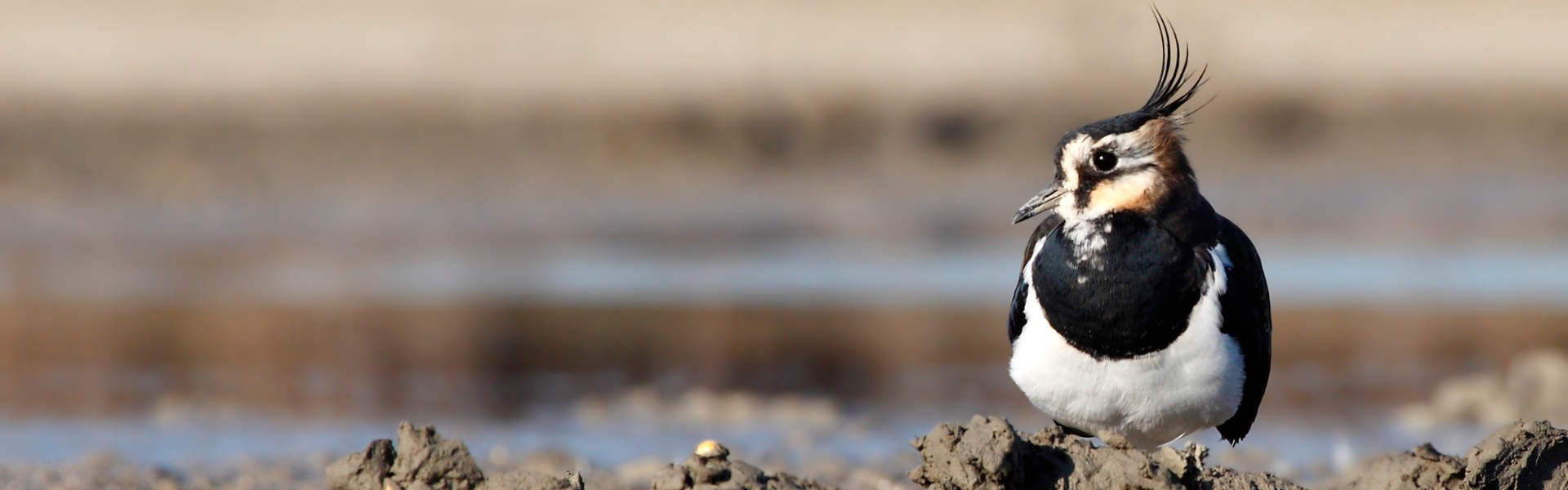
Breeding waders remain among the UK’s most threatened bird groups, despite decades of targeted conservation efforts.
Agri‑environment schemes, habitat restoration and protected areas have all achieved notable success. However, many populations continue to struggle despite these efforts.
Two recent peer‑reviewed studies help explain why progress can be slow. They also demonstrate that if wider ecological processes are overlooked, even the most well‑intentioned conservation actions can have unintended consequences.
Together, these papers highlight the importance of understanding whole‑system dynamics, particularly the interactions between predators, human activity and landscape structure.
Improving habitat quality is a cornerstone of wader conservation. Appropriate grazing, wet features, rush management and reduced disturbance can all improve nesting and foraging conditions. These measures are well supported by evidence and remain integral to breeding wader recovery.
However, a recent study from the Scottish uplands (Sheard et al., 2025) shows that habitat management alone may not deliver the expected benefits if the surrounding landscape works against it. The authors analysed long‑term data for lapwing, curlew, snipe and redshank, and found lower breeding wader densities near woodland edges.
Wader densities were extremely low within 100 metres of woodland and increased with distance for several hundred metres beyond that. Even where fields were managed specifically for waders, proximity to woodland appeared to limit the effectiveness of those interventions.
This does not suggest that woodland creation or habitat improvement is inherently negative. It does underline a key ecological principle that species respond to landscapes as they experience them. This means that individual management actions within targeted areas or field boundaries may not be enough to support breeding wader populations.
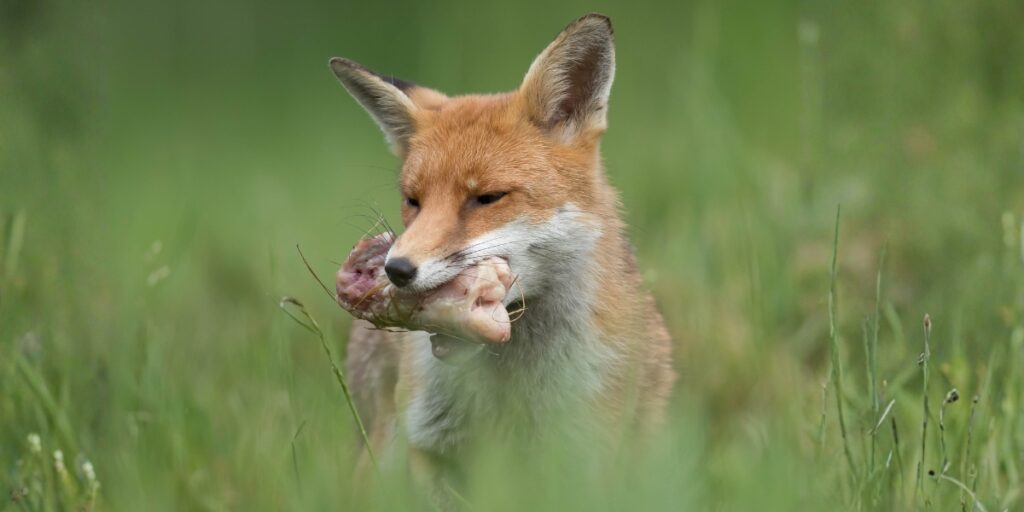
A second study focused on the New Forest National Park (Williams et al., 2025) helps further explain why breeding wader populations are declining. It addresses the question which has long challenged people involved in wader conservation – why do populations decline despite concerted efforts to conserve them through habitat and predator management?
The study analysed the stomach contents of red foxes culled around key breeding wader sites. The researchers found that foxes were exploiting a wide and flexible diet, with food discarded by humans making up a significant proportion.
Food waste and other human‑derived resources were more likely to be found in fox diets closer to settlements and infrastructure. Modelling suggested that this level of human‑derived food could support a substantial proportion of the local fox population each year.
Crucially, this does not mean that human-derived food replaces or reduces predation on natural prey. It may, however, allow for higher predator densities to be sustained in the landscape. This, in turn, increases overall predation pressure on vulnerable ground‑nesting birds such as curlew and lapwing.
The authors emphasise that foxes are a natural and important part of ecosystems. However, they also highlight the risk of human activity inadvertently altering predator–prey dynamics, creating conditions that make conservation goals harder to achieve.
Taken together, these studies show that outcomes depend on how multiple factors interact, not on single interventions in isolation.
Importantly, neither paper argues for simple or one‑size‑fits‑all solutions. Both reinforce the value of integrated, evidence‑led management that considers landscape context, predator ecology and human behaviour.
For practitioners, land managers and conservation organisations, these findings reinforce several practical takeaways:
This is not about choosing between habitat improvement, woodland creation or predator management. It is about recognising that successful conservation requires these elements to be acknowledged and aligned, rather than pulling in different directions.
For those interested in how these principles are being applied in practice, information is available on the Working for Waders website.
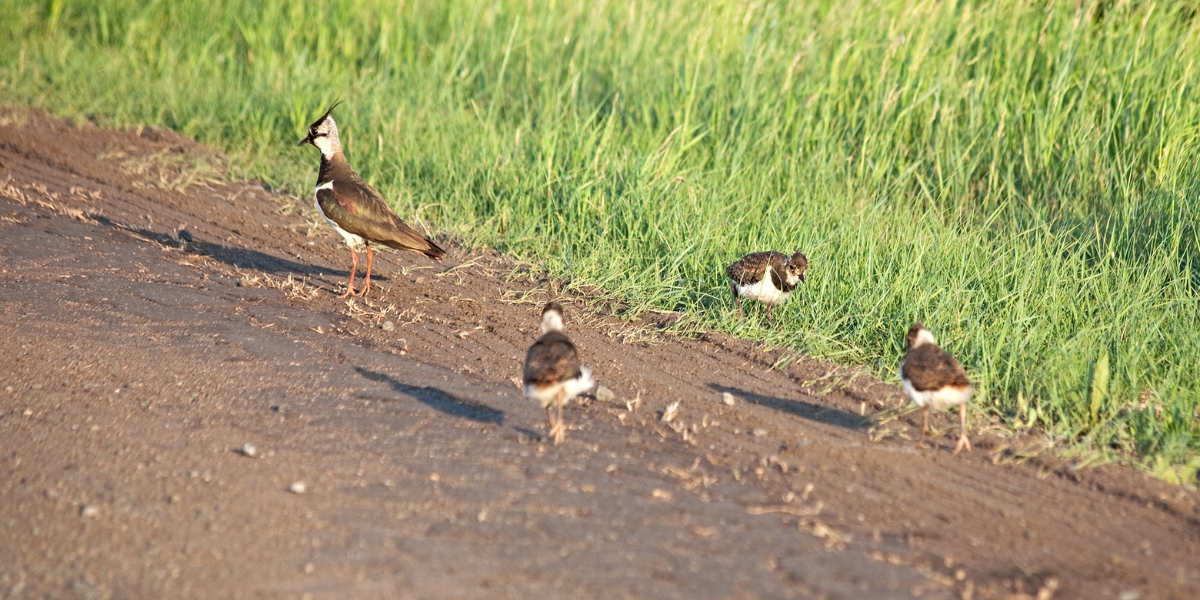
Conservation rarely fails because the science is wrong or because practitioners are not trying hard enough. More often, it is because ecosystems are complex and there are many knowledge gaps to be filled. Interventions aimed at one objective can affect the ecosystem in unexpected ways.
Studies like these help refine conservation practice by improving our understanding of landscape effects, predator behaviour and human influences. They also demonstrate why evidence‑based, adaptive management remains essential if we are to reverse declines in species such as breeding waders.
In a landscape shaped by both people and wildlife, science matters not because it offers simple answers, but because it helps us ask better questions.

Glynn Evans brings us up to date on the general licences which permit the releasing of gamebirds on European protected sites in England, and discusses what comes next.
The Environmental Improvement Plan review provides a timely opportunity to underline the vital contribution shooting makes to national nature recovery ambitions.
BASC welcomes the government’s view that Natural England must work with land managers using proportionate, evidence-based regulation.