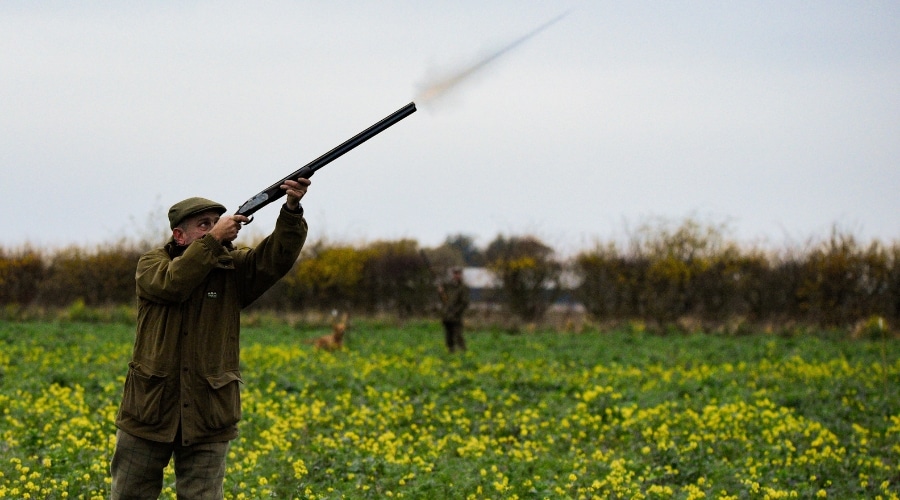
Do you have game cards or game books to share?
BASC’s research team are working with the University of Exeter to look into the changes in game bags over time.

Get information on the legal shooting season for mammals and birds in the UK.
Apply for funding for your project or make a donation today

Comprehensive information and advice from our specialist firearms team.

Everything you need to know about shotgun, rifle and airgun ammunition.


Find our up-to-date information, advice and links to government resources.

Everything you need to know on firearms law and licensing.
All the latest news and advice on general licences and how they affect you.

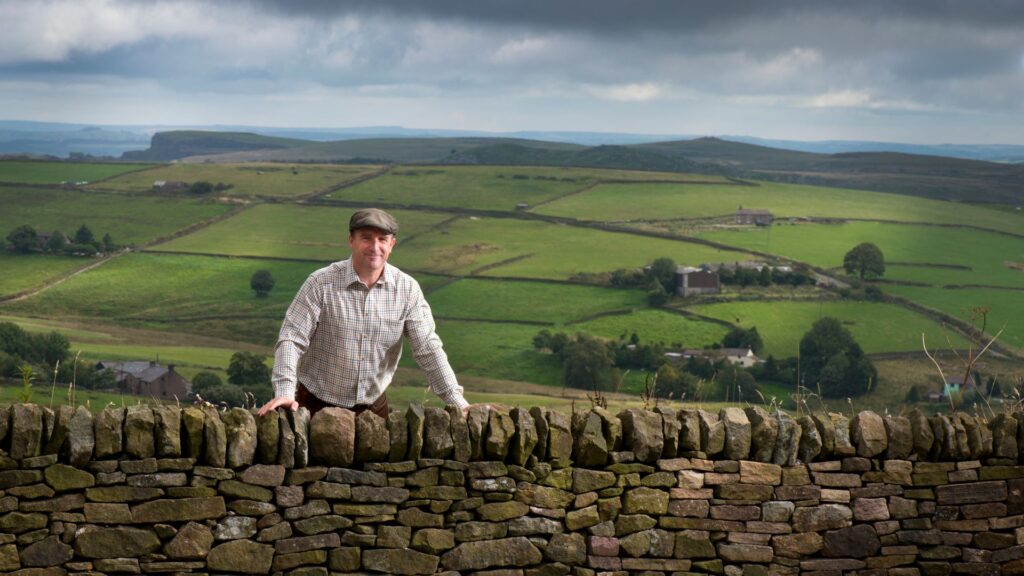
Conservation delivers best when management is applied at scale, sustained over time and its results are measured, as two new studies on curlew and Farmer Clusters show, writes Sophie Stafford.
Conservation discussions often focus on what should be done for wildlife. Less often do we ask the harder question: is it working?
Two recent studies offer some answers. One examines a stronghold population of Eurasian curlew in the North Pennines, while the other explores how farmers working together across landscapes can measure and improve biodiversity outcomes.
Together, they highlight an important message: successful conservation is more likely achievable when practical management is applied at scale, monitored and adapted over time.
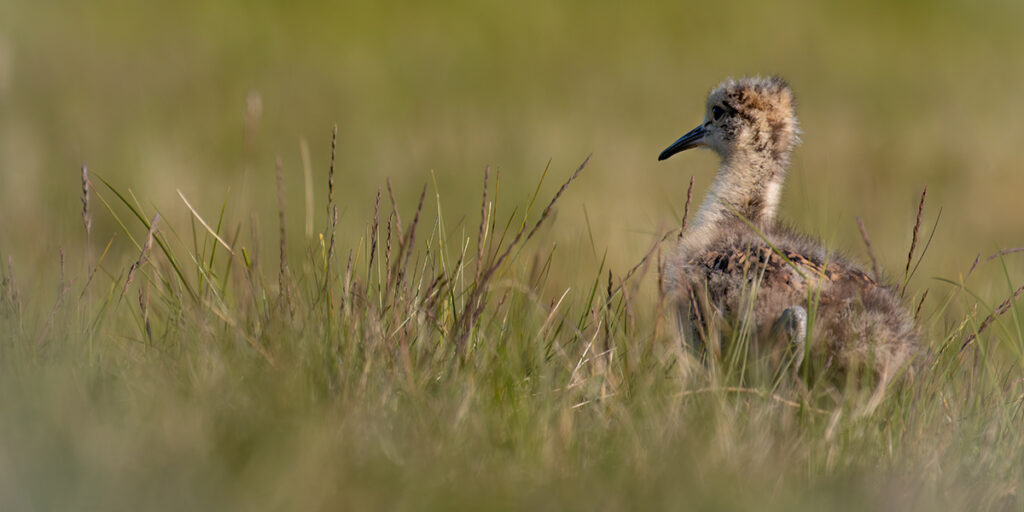
The Eurasian curlew is one of the UK’s most pressing bird conservation priorities, and one of the questions hanging over it is whether active moorland management can help reverse its fortunes.
National breeding populations have declined sharply in recent decades, and low breeding success is widely recognised as a key driver of those declines. A recent study from Upper Teesdale in the North Pennines investigated whether landscape characteristics shaped by low-intensity farming, grouse moor management and legal predator control were continuing to support healthy curlew populations.
The results were striking:
The authors concluded that high curlew abundance and breeding success at this site were associated with a combination of habitat management, low-intensity farming and landscape-scale predator control.
For practitioners, the findings reinforce something that many gamekeepers and upland managers have long observed: management undertaken for red grouse can provide wider biodiversity benefits.
The research suggests burning and cutting heather created the varied structure that curlew need for nesting and chick rearing. Retaining open moorland habitats, meanwhile, prevented the habitat fragmentation associated with afforestation and land-use change. Managed blanket bogs supported more than double the number of curlew recorded on unmanaged bogs.
The study also highlights an important conservation reality that is difficult for some to accept: predation management matters. Across the study landscape, legal predator control was part of the management system associated with high nesting success and stable curlew numbers.
At a time when curlew continue to decline across much of the UK, these findings add to growing evidence that improving breeding success is essential to recovery, and ‘tools’ readily used by the shooting community are central to achieving this outcome.
It’s a useful prompt to consider what wildlife benefits are being delivered by your own management, not just which species are being managed for. Habitat management, predator control and landscape-scale thinking may be undertaken with one main objective in mind, but their benefits can extend far beyond it.
The curlew study provides an example of conservation success on the ground. However, demonstrating success is becoming increasingly important for land managers, policymakers and regulators alike. That raises another question: how do we measure biodiversity gains across entire landscapes, particularly when multiple landowners are involved?
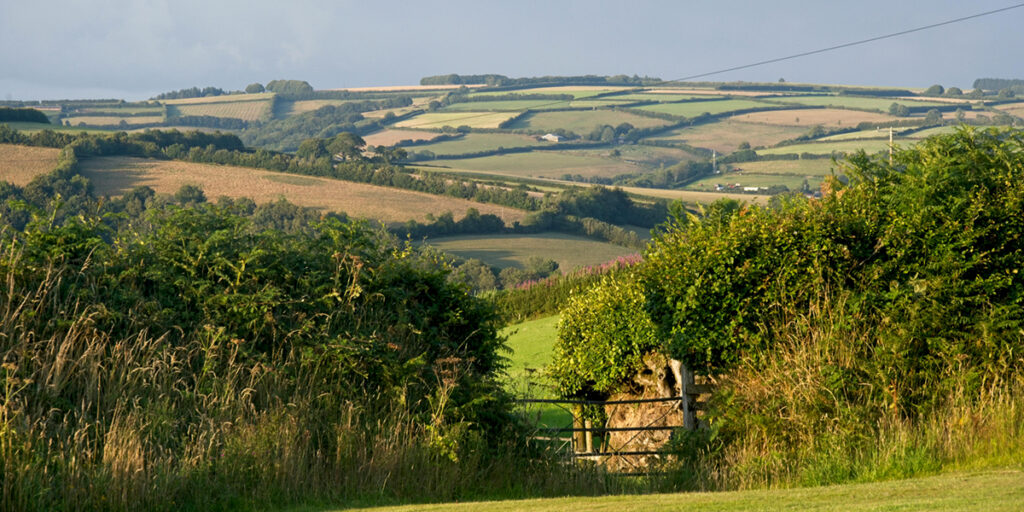
The second study asks whether neighbouring farmers can achieve better biodiversity outcomes by collaborating across a landscape rather than acting alone. It describes the development of a standardised monitoring approach for Farmer Clusters across Europe. Clusters bring neighbouring farmers together to identify shared environmental goals and coordinate conservation actions across field boundaries, rather than working farm by farm in isolation.
Through the EU-funded FRAMEwork project, 11 Farmer Clusters were established across nine European countries. The project developed a standardised system to measure birds, pollinators and vegetation at landscape scale, allowing biodiversity outcomes to be assessed consistently across different farming systems and countries. This included surveying more than 100km2 of farmland, 124km of bird surveys, over 55km of pollinator transects and hundreds of vegetation assessments. The study demonstrates the scale of collaboration possible through Farmer Clusters.
Wildlife does not recognise ownership boundaries. Curlew, grey partridge, pollinators and farmland birds all use landscapes, not individual plots of land. As a result, conservation outcomes are greatest when neighbouring land managers come together to pursue common objectives and share knowledge.
The study also reflects an increasingly important principle in modern conservation: evidence matters. Good conservation is no longer judged solely by management inputs, such as habitat creation or participation in schemes. Increasingly, it is judged by outcomes that can be measured, demonstrated and, ideally, replicated.
This paper provides a useful reminder for BASC members involved in Farmer Clusters, conservation groups, shooting syndicates or any collaborative landscape project. Working together can amplify both conservation delivery and the ability to demonstrate success.
It’s worth looking beyond the gate: consider who you can share knowledge with, and where collaboration with neighbouring land managers could increase the effectiveness of conservation work and help demonstrate biodiversity gains at a meaningful landscape scale.
While these studies focus on very different systems, they arrive at a similar conclusion. Successful conservation depends on applied management, delivered consistently and at scale.
Whether it’s curlew thriving on actively managed uplands or farmers collaborating to improve biodiversity across agricultural landscapes, the greatest gains come from working together with shared purpose and a commitment to measuring outcomes.
Want to read more of the latest research pertinent to shooting, conservation and sustainable land management? Visit our Science Matters page here.
Baines, D., & Aebischer, N. J. (2026). High and stable Eurasian Curlew Numenius arquata numbers on low-intensity farmland and moorland managed for Red Grouse Lagopus scotica recreational shooting in northern England. Bird Study, 1–14. https://doi.org/10.1080/00063657.2026.2685164
Nichols, R. N., Begg, G. S., Cantú-Salazar, L., Holland, J. M., Martin, Y., Tzilivakis, J., Vray, S., Warner, D. J., Zuta, A., & McHugh, N. M. (2026). A standardised protocol for measuring farmland biodiversity outcomes across European Farmer Cluster landscapes. PLOS ONE, 21(3), e0345691. https://doi.org/10.1371/JOURNAL.PONE.0345691

BASC’s research team are working with the University of Exeter to look into the changes in game bags over time.
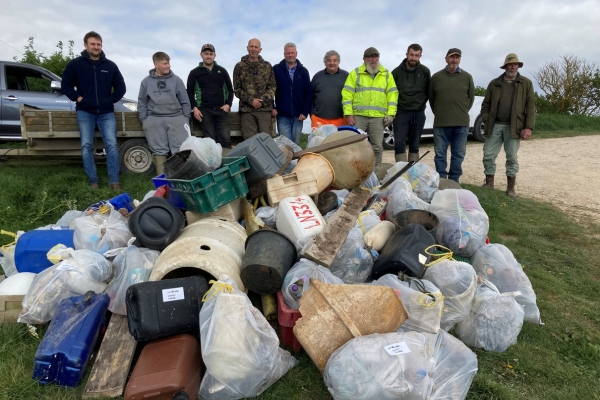
Wildfowling clubs on the Wash have been praised for their commitment to conservation and environmental stewardship.
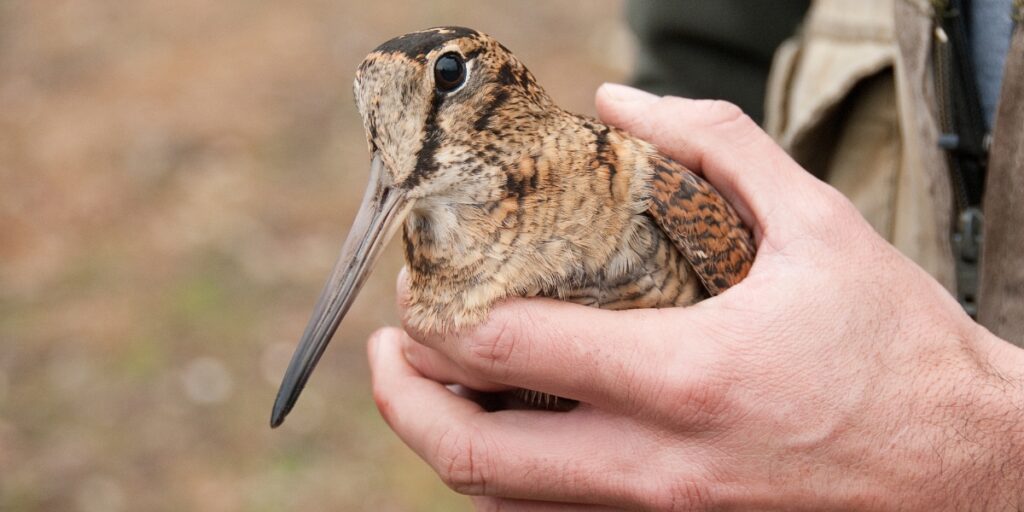
Our study on the voluntary restraint of woodcock hunting highlights the invaluable contributions of shooters to game and wildlife research.