Welsh snares ban disastrous for threatened wildlife
The future of Wales’ most threatened species has been put at significant risk, after a ban on all snares was taken forward by the Welsh Government this week.

Get information on the legal shooting season for mammals and birds in the UK.
Apply for funding for your project or make a donation today
Comprehensive information and advice from our specialist firearms team.
Everything you need to know about shotgun, rifle and airgun ammunition.


Find our up-to-date information, advice and links to government resources.
Everything you need to know on firearms law and licensing.
All the latest news and advice on general licences and how they affect you.

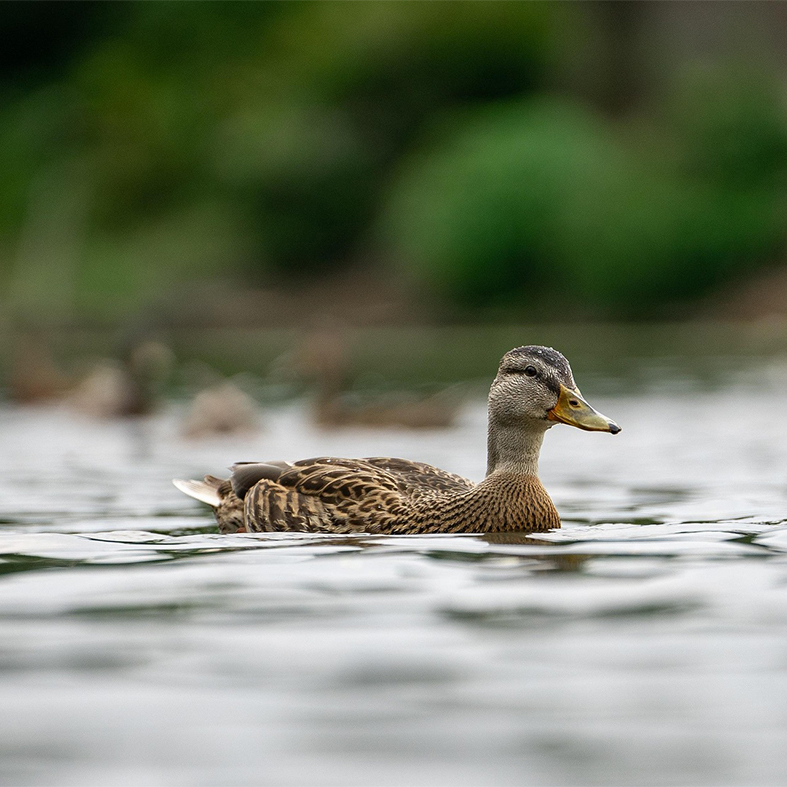
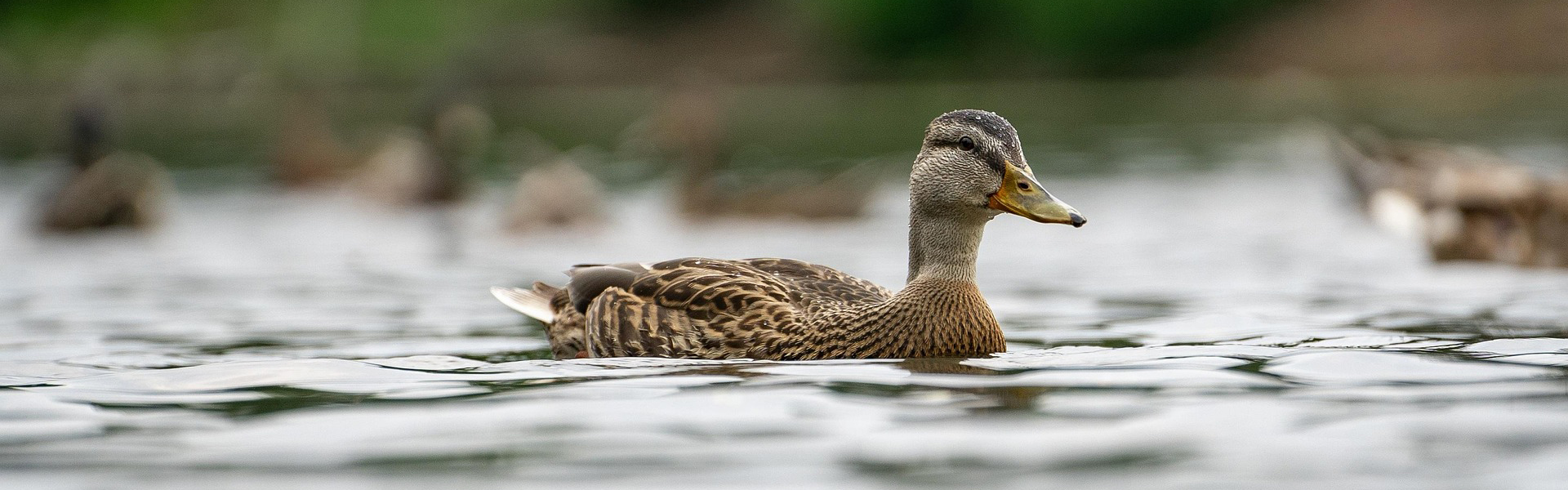
Releasing mallard in the right location can provide added variety to a driven day. Glynn Evans shares his advice on how to go about it.
Before we get into the reeds (pun intended) of the subject, its important to say that not all ponds will be suitable for releasing mallard to provide an additional drive on a shoot day.
For instance, some will be in the wrong location or just not big enough. However, if you do have an appropriate piece of water and it’s managed correctly, it can provide a welcome new addition and dynamic to your shoot.
The process of managing ponds and released ducks for driving is quite different from managing a pond for wild flighting, and therefore requires an alternative approach.
Released mallard sometimes have a reputation for a reluctance to leave a pond, but in my experience getting the basics in place can go a long way to preventing this.
An early and essential consideration when sourcing mallard for release is to ensure they come from good stock. This means a strain that flies well and it’s important they have been correctly managed in anticipation of the release process.
As per the Code of Good Shooting Practice, under normal circumstances any birds should be released before the start of their shooting season; 1 September for ducks.
Shooting must not commence until the birds are fully mature and adapted to the wild – a minimum of one month from release. Ducks must always be released into suitable wetland habitat, and in numbers which are appropriate to that habitat’s carrying capacity.
Mallards are generally released from around six weeks onwards, although some people release them slightly older. At this stage their feathers will be well developed, and they should have already transitioned to grain (along with other relevant information, this should be confirmed by your game farm ahead of delivery). Personally, I aim for about eight weeks.
If you are in doubt, it is a good idea to seek guidance from your supplier. Buying growers (the term used for mallard at this age) from a reputable game farm will ensure they have been correctly reared in preparation for release.
In my time as a keeper, I have seen pens partly on land and partly in the water used for release, and in certain situations this approach may still have benefits, but like many others I have released mallard directly on to the water without issues.
Consider if predators such as foxes and mink are present and if so, then relevant control measures need to be undertaken before release.
Depending upon the circumstances (for instance if the mallard will be fed on a bank) the use of an electric fence like one used at a pheasant release pen can be a good idea. It should be multistrand, a bit like one for livestock, and be placed a sufficient distance from the water’s edge to allow mallard to rest and feed.
The process for release is straightforward and consists of placing the crate on the edge of the pond and allowing the ducks to leave and swim onto the pond.
The bank where they are released (and subsequently fed) should be shallow so birds can easily move between the water and land. In some locations there may a suitable island for feeding on, which provides added protection.
There are two basic approaches to feeding. The first one is on a daily basis. This would initially be on the bank with some feed placed at the water’s edge to encourage the ducks to dabble. Only put out enough feed for that day.
The other approach is to provide a constant source of feed. Some people belive this can lead to the birds being overfed and consequently reluctant to fly. Personally, I have used both methods and, in the right location, they can both work.
There is a risk that feed can attract rats, but these can be controlled by some strategically placed traps. Feeders, such as larger top hat (covered) or automatic ones, can also be used with the benefit of cutting down access to feed for non-intended recipients.
Whichever approach is taken, minimising familiarisation, for example not going down for a ‘look at the ducks’ with the dog and family, should be of paramount importance.
A technique sometimes used to encourage the flying ability is to feed the mallard (once they are established) away from the pond, moving the feed location a little further over time. This starts to get them moving and can help encourage flying between locations, eg. feeding sites and the pond.
With all released game, biosecurity should be prominent in our thought process so we can help prevent issues around disease. Required measures will often depend upon the specific situation, such as the species, but also if there is a wider background risk of diseases such as avian influenza.
Some aspects to consider are:
Before a shoot day it is a good idea to have a trial run(s) and push the birds off the pond with a small team in the same way you plan to do it for real. This, coupled with earlier efforts and management, should help encourage the mallard to readily take to the wing. It can also help identify the correct place to position Guns.
On a shoot day, especially more so as the season progresses, Guns should walk quietly to their pegs. Once the drive begins, having the Guns visible can help encourage the mallard to climb, which is clearly a different approach to Guns at a flight pond, who should remain hidden.
All the normal rules relating to safe shooting practice apply. It is essential to always comply with the Code of Good Shooting Practice and relevant legislation, such as ensuring the Guns use the correct ammunition.
The ideal scenario is that the mallard flush and rapidly fly to another local water but, especially at the start of the season, they may flight around the area, intending to drop back in to the pond, so it is important to be prepared to call an early halt to the drive.
On a duck drive, a smaller number of beaters will be needed than on a pheasant or partridge manoeuvre, but it is essential there are enough pickers-up, with experienced dogs who can retrieve from the water.
When you get it right you will add an enjoyable extra element to your shoot, and you will have some tasty variety for the table.

The future of Wales’ most threatened species has been put at significant risk, after a ban on all snares was taken forward by the Welsh Government this week.
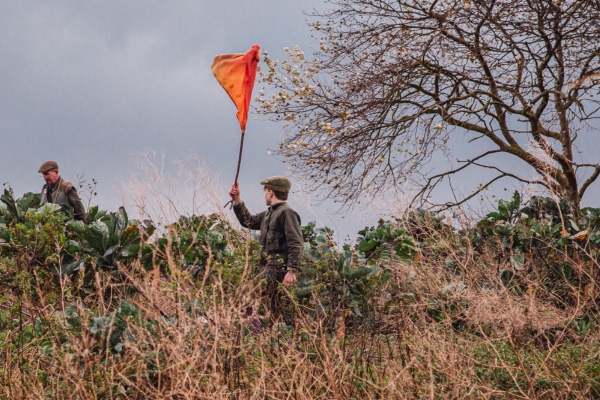
BASC is appealing to gamekeepers, shoot managers and shooting businesses to assist with the development of a new gamekeeping and wildlife management qualification.
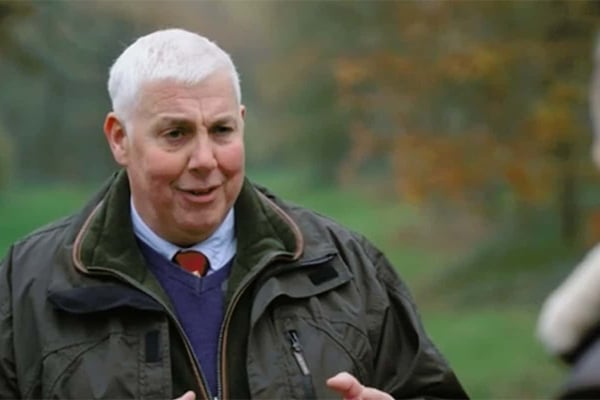
Following BBC Countryfile’s most recent episode on shooting, Glynn Evans reflects on why it is important to engage with mainstream media.