
From petition to Parliament: the Section 2 debate explained
Bill Harriman outlines what happens next following the Westminster Hall debate on firearms licensing.

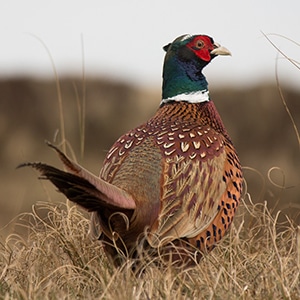
Get information on the legal shooting season for mammals and birds in the UK.
Apply for funding for your project or make a donation today
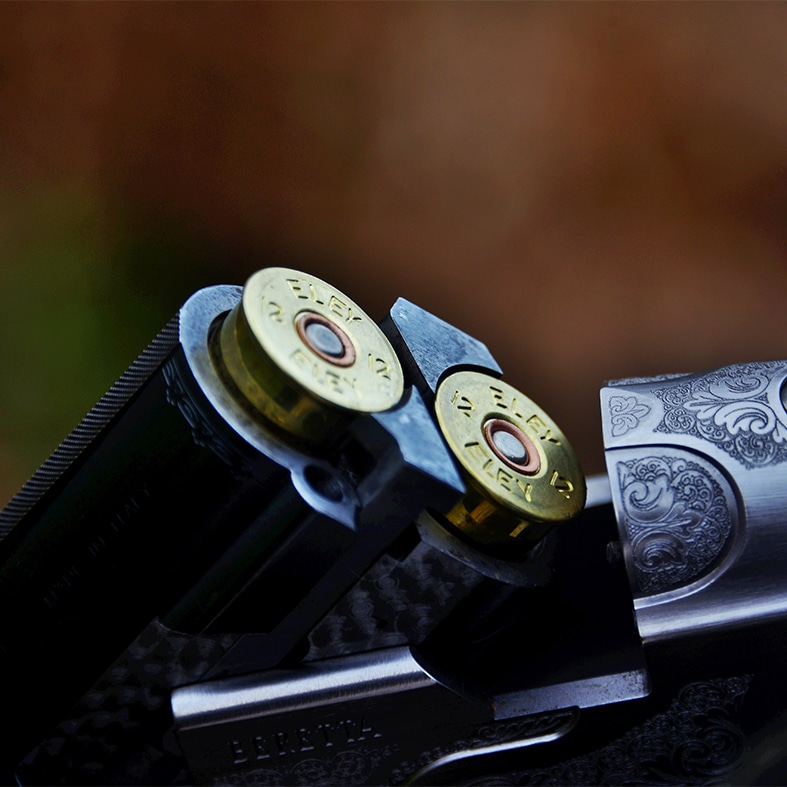
Comprehensive information and advice from our specialist firearms team.

Everything you need to know about shotgun, rifle and airgun ammunition.


Find our up-to-date information, advice and links to government resources.
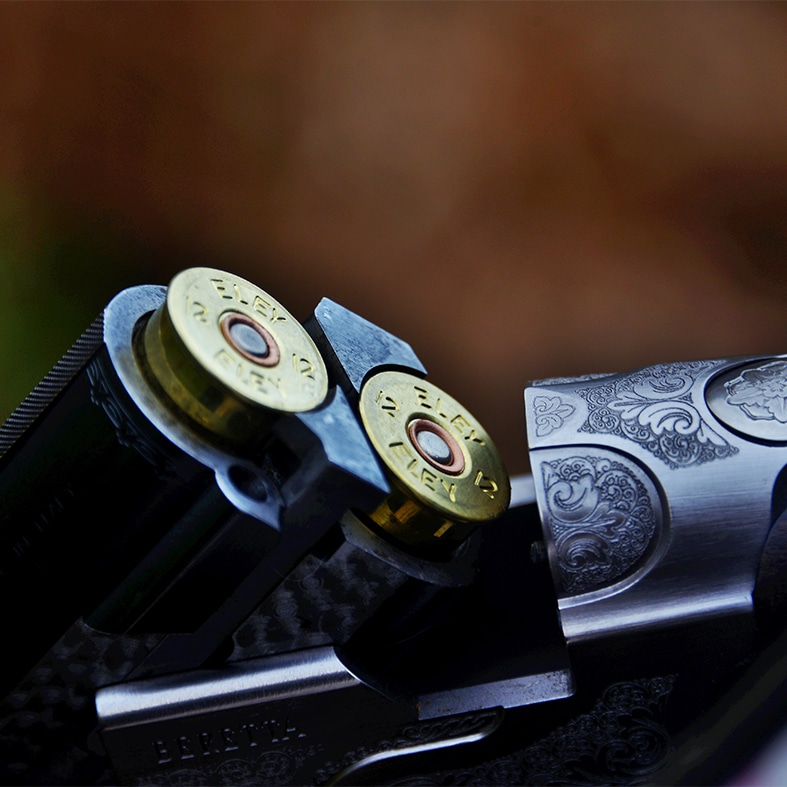
Everything you need to know on firearms law and licensing.
All the latest news and advice on general licences and how they affect you.

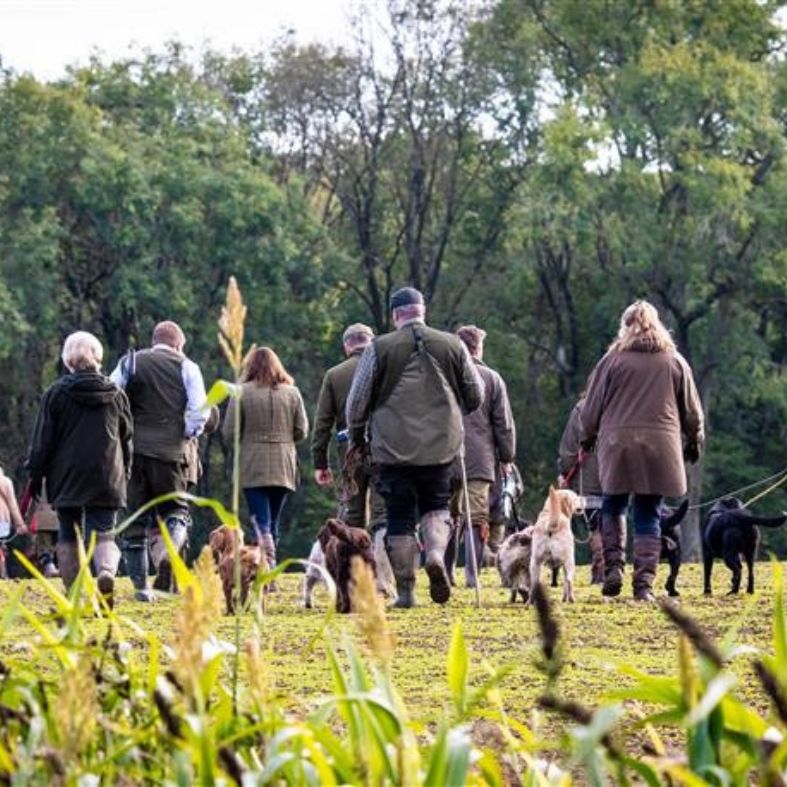
Across the shooting and conservation community, we often talk about standards – not as a slogan, but as a responsibility.
Responsible game management underpins everything we do. From habitat creation and predator control to the careful stewardship of released birds, modern shoots contribute significantly to the rural landscape. But once the horn sounds and the shoot day concludes, our responsibility continues. Ensuring that game entering the food chain is handled to the highest possible standard.
To help meet this challenge, BASC is now delivering a Small Game Meat Hygiene course within our free shoot visits. This provides practical, on-the-ground guidance that supports both food safety and the long-term reputation of shooting.
Game meat has one of the strongest sustainability stories of any protein source available in the UK. It is wild or carefully reared, locally sourced and harvested within managed ecosystems that deliver measurable conservation benefits.
But that story only remains credible if standards are robust.
Small game meat hygiene begins the moment a bird is picked up. How it is handled in the field, how quickly it is gathered, transported, stored and cooled – each step directly influences quality and safety. This is covered in the Code of Good Shooting Practice Guide to Good Game Handling.
Good practice includes:
A poorly handled bird can spoil a batch, knocking processor confidence and damaging public perception of game meat. High standards protect consumers and, in doing so, they protect shooting.
Disease pressures such as avian influenza have brought renewed focus to biosecurity and registration requirements. For shoots, this is not simply a tick-box exercise.
Strong biosecurity protects released birds, neighbouring shoots and wild populations. It reduces disease risk and demonstrates that shooting operates responsibly within a broader rural and ecological context.
During a BASC shoot visit, we provide clear advice on:
Understanding obligations and implementing them effectively strengthens the credibility of shooting as a responsible land management activity. Conservation is not only about habitat and species management; it is also about how we operate.
BASC shoot visits are advisory and supportive. Most importantly, they are free to members. But their value is significant, especially with the inclusion of small game meat training.
This support offers significant real-world value as part of your membership. Independent calculations show that the support provided during a visit is worth more than £400 per shoot. This reflects the level of practical advice and expertise provided and broadly corresponds to what comparable advisory visits would cost if delivered commercially by other organisations.
In 2025, we delivered more than 400 shoot visits across the UK, representing an estimated value of £160,000.
Each visit provides tailored advice and expertise. More importantly, it represents reassurance that larder standards meet expectations, that documentation is correct and that biosecurity is proportionate and effective.
In an environment where shooting faces increasing scrutiny, that reassurance matters.
The future of shooting depends not only on conservation delivery, but also on public confidence. Shoots contribute through habitat creation, hedgerow management, winter feed provision and predator control, all of which benefit ground-nesting birds and provide significant economic input to rural communities. These outcomes are substantial, but they can be overshadowed if standards slip elsewhere.
Demonstrating excellence in small game meat hygiene, compliance, and biosecurity reinforces the message that shooting is responsible, professional, and accountable. It strengthens our social licence.
If we want to protect the future of shooting and conservation, we must continue raising standards across the board. That means professional handling, clean and well-managed larders, accurate documentation and strong biosecurity alongside a clear understanding of registration requirements.
Members can demonstrate their commitment by arranging a BASC shoot visit and completing the free Small Game Meat Hygiene course. Individual participants will receive a recognised qualification upon passing the course.
By getting the fundamentals right in the field, in the larder and in our compliance, we strengthen confidence in game meat and help safeguard the long-term future of shooting and conservation.
Click here for more information about small game preparation.

Bill Harriman outlines what happens next following the Westminster Hall debate on firearms licensing.
The Government has confirmed when restrictions on the sale and use of lead ammunition will come into force in England, Scotland and Wales.
A single unprotected shot can cause permanent hearing damage. Here’s what shooters need to know to protect their hearing.