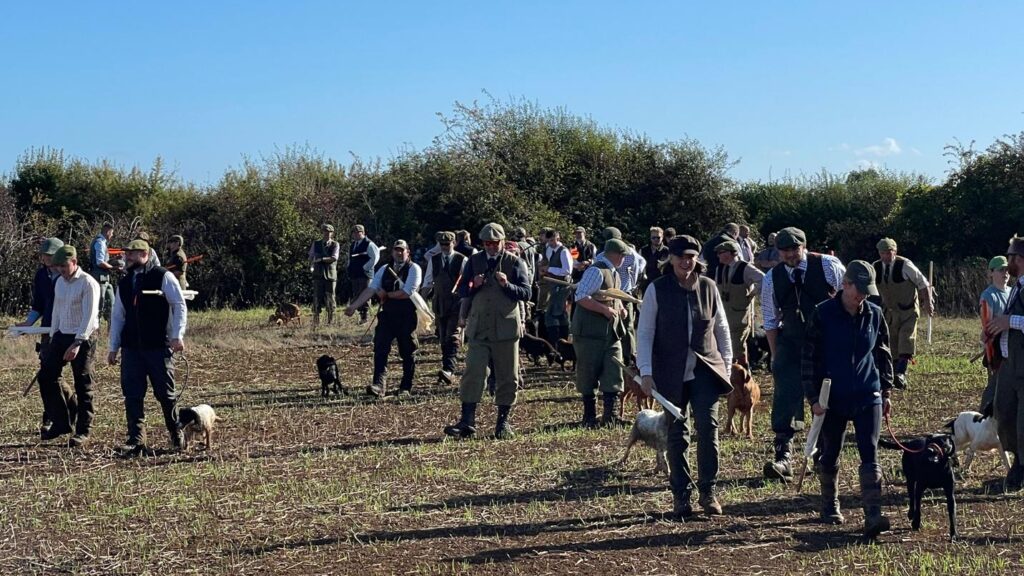
Lytham and District Wildfowling Association receives Stanley Duncan Conservation trophy
BASC’s annual honours and awards recognise and reward the hard work of people within the shooting community who strive to make a difference.
Get information on the legal shooting season for mammals and birds in the UK.
Apply for funding for your project or make a donation today
Comprehensive information and advice from our specialist firearms team.
Everything you need to know about shotgun, rifle and airgun ammunition.
Find our up-to-date information, advice and links to government resources.
Everything you need to know on firearms law and licensing.
All the latest news and advice on general licences and how they affect you.
The Minister for Climate Change Julie James met BASC and fellow members of the Gylfinir Cymru (Wales Curlew) partnership last week and confirmed her commitment to the Wales Recovery Plan.
The meeting, which also included representatives from the National Trust, The Game and Wildlife Conservation Trust, Curlew Country and Natural Resources Wales, saw discussions around three key areas to help the number of curlews recover.
Habitat management and ways to prevent the loss of eggs and chicks to predation were covered, along with the multiple benefits curlews give the environment and the people of Wales, and how curlew’s protection needs to be woven in policy for society and nature recovery.
The 10-year action plan to reverse the decline of curlew was launched in November 2021 by the Gylfinir Cymru / Curlew Wales partnership made up of 16 organisations, including BASC.
The partnership is working with the Welsh Government to address the chronic decline in population and geographic distribution of the curlew across Wales.
The curlew’s decline has been so significant that it is predicted that curlews could be on the brink of extinction in Wales by 2033 if serious action is not taken.
The plan addresses four main themes:

BASC’s annual honours and awards recognise and reward the hard work of people within the shooting community who strive to make a difference.
It is unacceptable to risk some of our most threatened species with an outright ban on snares.

There are several clear winners as a result of controlled heather burning, a traditional land management practice used on moorland and upland areas, Alex Farrell explains.