






Home » Conservation in Action » Conservation projects » Duck nest monitoring project
Duck nest monitoring project
What is it?
Initiated by The Waterfowlers’ Network (of which BASC is a member) in 2021, the Duck Nest Monitoring Project is a citizen science project dedicated to the conservation of wild mallard populations.Â
The project aims to monitor mallard breeding success when artificial nesting structures, such as raised nesting tubes or boxes, are installed at a site.
Why is this project important?
Mallard numbers are decreasing across the UK and Europe. In order to continue sustainable shooting of this species we must establish an effective way to maintain and protect our wild populations.
Mallard are ground-nesting birds and as a result, they often face disturbance such as trampling from livestock, predation, and dog walkers.
This frequently results in the destruction of the nests before the eggs have a chance to hatch.
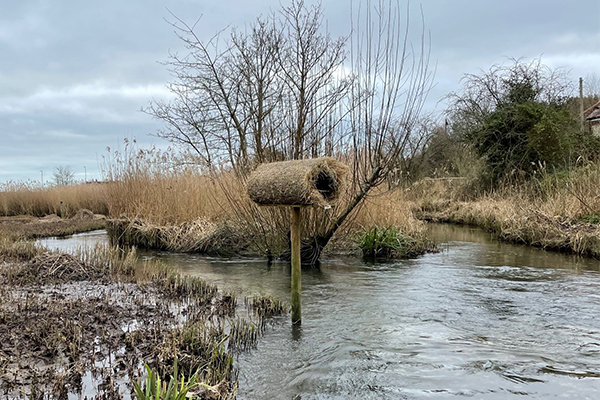
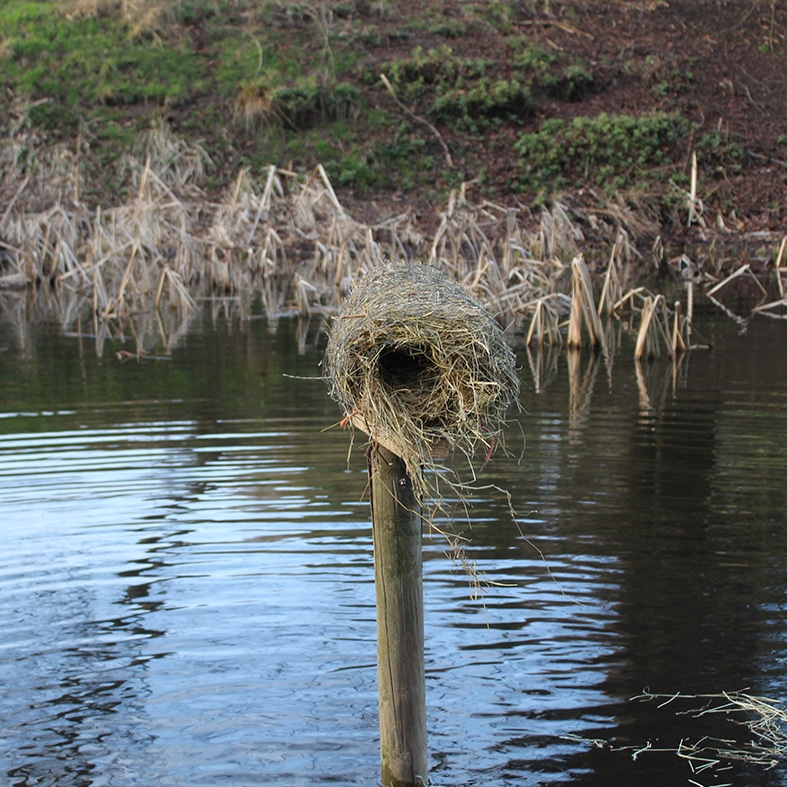
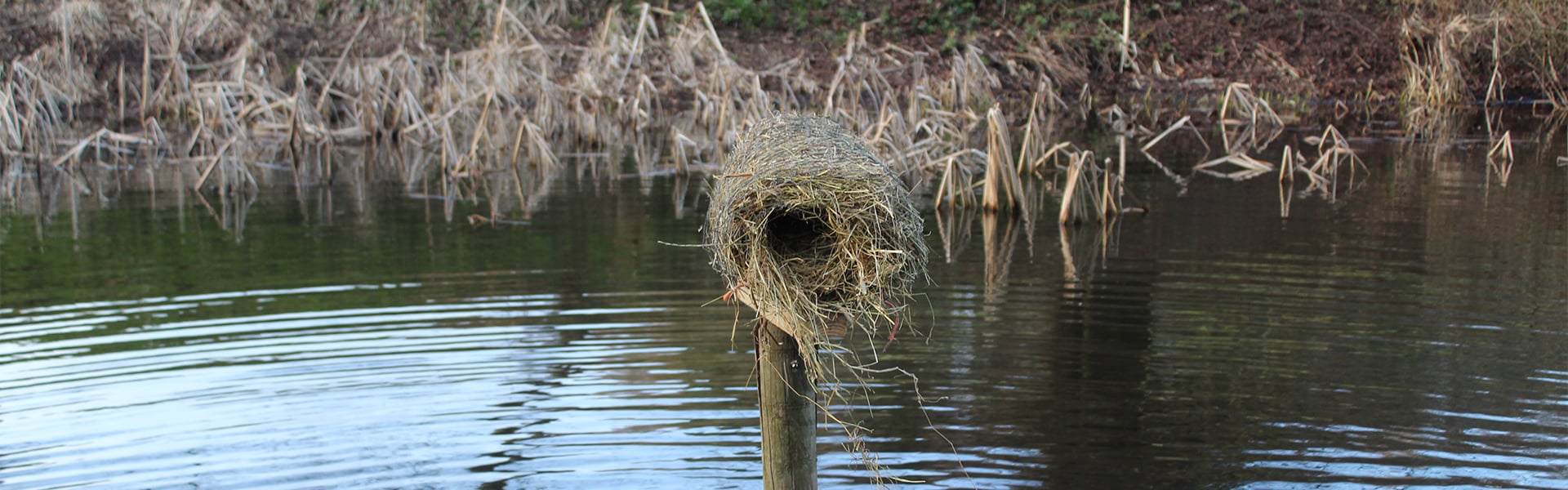
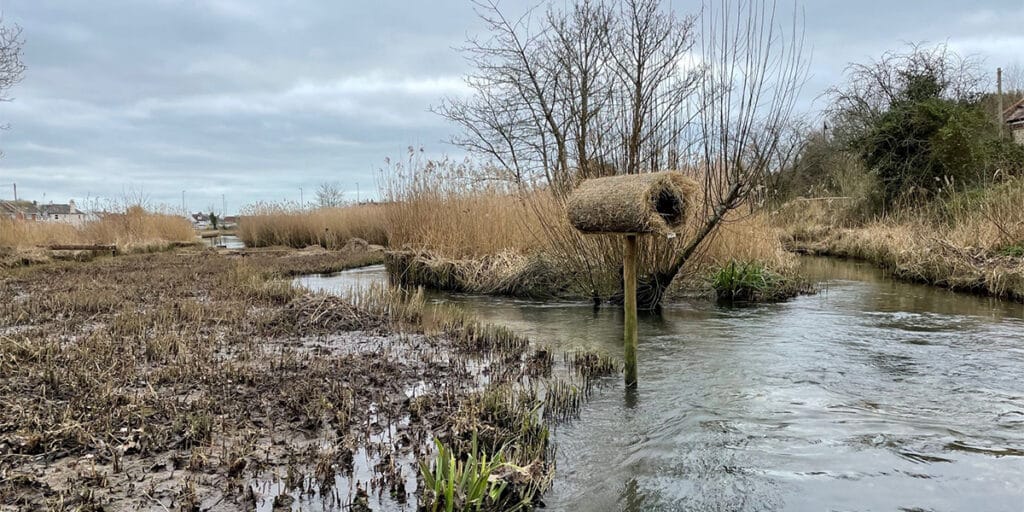
Duck nest tubes are a great solution to this problem. By raising the nests off the ground and covering them from flying predators, the chances of nest disturbance or destruction are considerably lower, resulting in increased brood sizes and hatching success.
How do I get involved?
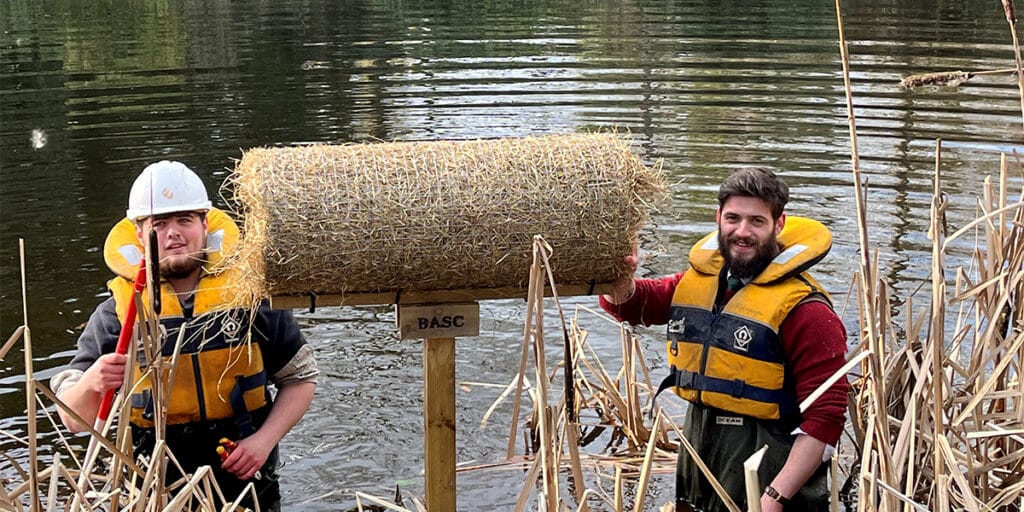
1. Make and install a mallard nest tube on the land you own or shoot over
Duck nest tubes are simple to set up and anyone can take part in helping to improve the wild mallard population in their area. It can take several years before the tubes are used, but don’t lose hope – once they are occupied, the ducks and their offspring will likely return year after year to nest in the same spot.
How to set up a duck nest tube:
2. Record as much of the following information as you can:
- Habitat typeÂ
- Site location
- Number of nest tubes installed at the site
- Species using the nest tube (the best time to check this is from the beginning of March until the end of July)
- What types of habitat management and predator control are currently being carried out at the site
3. Once you have recorded as much information as you can, use the Waterfowlers’ Network online form to register your findings at the end of the mallard breeding season.
We recommended that you register your findings at the end of the season (end of August) to ensure no nesting attempts are missed.
Findings so far
Duck nest tubes have been shown to improve wild mallard populations by increasing brood size and hatching success across their range.
The security and protection provided by nesting tubes can improve the chance of hatching success to 90 per cent. See the report below for more details.
Share


Sustainable Shooting Code of Practice
Read our code of practice on shooting wildfowl, waders and rail species sustainably in England, Scotland and Wales.
Conservation projects
Find out more about the conservation projects we are currently undertaking and how you can get involved.

