
Gloucester wildfowlers celebrate 70 years
Gloucester Wildfowling and Conservation Association gathered to celebrate more than 70 years of conservation, volunteering and responsible wildfowling.


Get information on the legal shooting season for mammals and birds in the UK.

Apply for funding for your project or make a donation today

Comprehensive information and advice from our specialist firearms team.

Everything you need to know about shotgun, rifle and airgun ammunition.


Find our up-to-date information, advice and links to government resources.

Everything you need to know on firearms law and licensing.

All the latest news and advice on general licences and how they affect you.

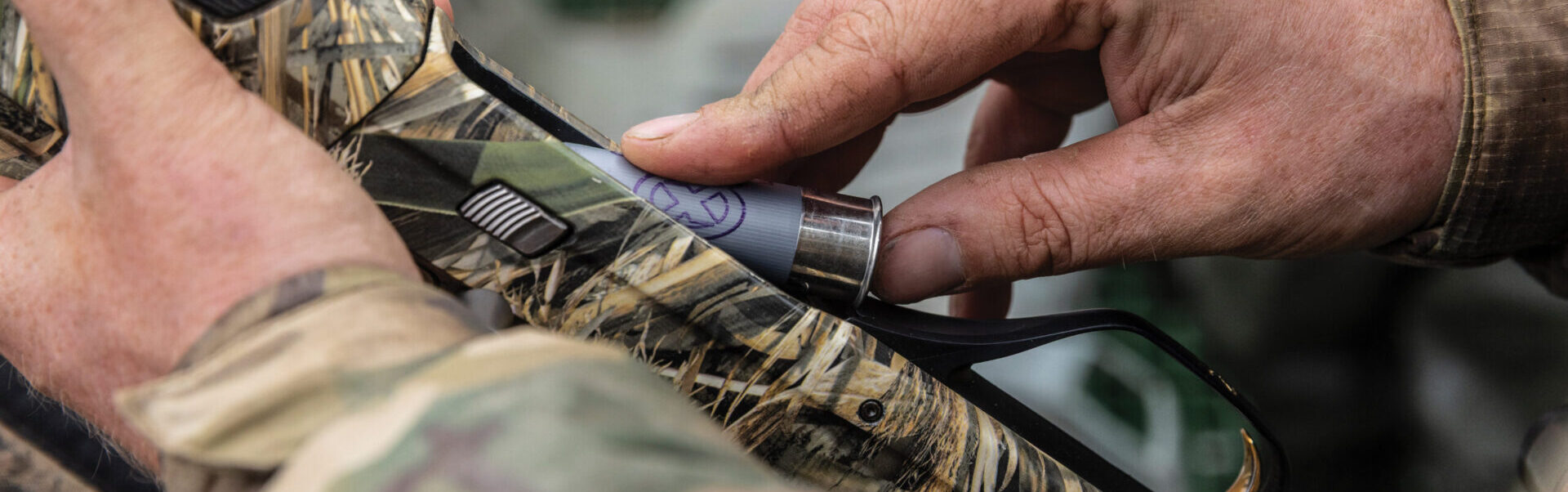
As the wildfowling season draws near, Chris Wright has some advice on how to make ready for September and beyond. The piece appeared in Shooting and Conservation earlier this summer, and we thought a gentle reminder wouldn’t go amiss for anyone who keeps putting off checking their waders for holes.
Good preparation now before the season comes around can make a significant difference not only to your success, but also to your sanity, safety, comfort and enjoyment. Despite my job title and the fact I should probably lead by example, even I am sometimes guilty of rushing around in August trying to get my kit ready for the alarm going off at stupid-o’clock on 1 September.
It doesn’t set you up for the best of starts. It’s a bit like booking a holiday several months in advance and only packing the day before you fly; running around trying to book airport parking, finding your flip-flops and your swimming shorts, buying new clothes, toiletries, checking immigration details and so on. It’s a bit overwhelming and, most importantly, can be avoided.
The problem is that it’s a ridiculously hot summer, and we’re wearing shorts and a T-shirt sat in the garden with a cold drink. It doesn’t really give you the urge to start preparing big jackets, waders, beanies and large flasks, does it?
When we are talking about preparations, we don’t always mean the gun, rucksack and loyal Labrador need to be at the back door ready. It’s more about knowing where everything is and ensuring you have what you need to see you through the season, or at least your first few trips.
After that, it should be a breeze. For most people, the waders will be in the garage, the decoys will probably be up in the rafters, cartridges will be hidden away in some cupboard, and your winter clothing, well… they’ll be lurking in dark corners all over the house and garage.
So, just take a couple of hours between now and your first trip to assemble it in one place (probably the garage, if you want to keep the peace on the home front).
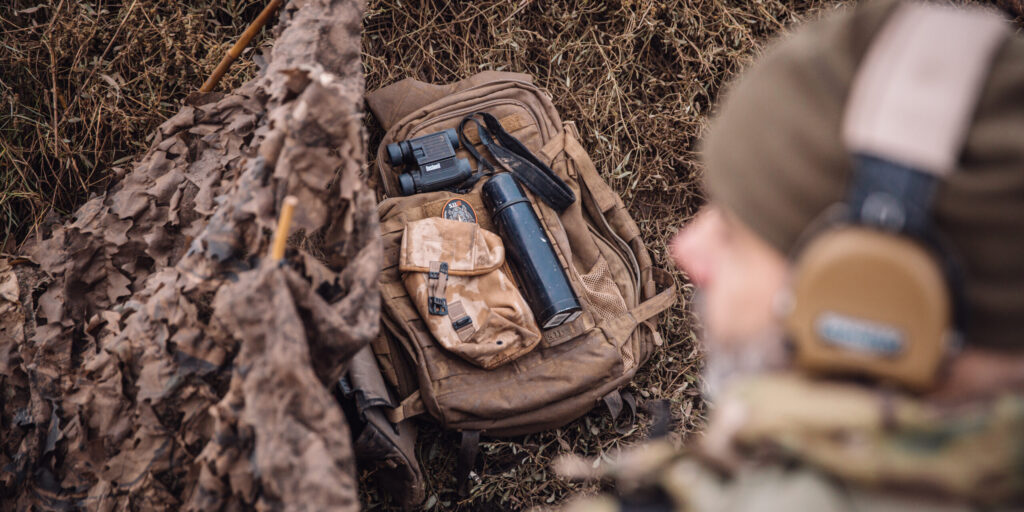
Don’t forget to check your paperwork. Ensuring your shotgun certificate is not due for renewal any time soon is becoming more and more important. With the way some firearms departments are underperforming, you may have a serious problem if it’s nearly up for renewal.
Assuming you are a member of a club, it is also important to check you have received your club membership pack: e.g., car passes, membership card, bag return forms, etc. Leaving these checks until the eleventh hour can seriously damage your chances of getting out on 1 September.
Don’t forget about your insurance, either. Shooting sports carry responsibilities and having the correct insurance in place is an important part of being a safe and responsible shooter. I am assuming that if you are reading this article, you are already a BASC member and covered, which is brilliant, but for heaven’s sake, please check your membership won’t lapse between now and your first trip.
Preparation is not always just about equipment, clothing, licences and insurance. Spending a bit of time brushing up on local knowledge, tides, maps and club rules can make a difference once the season starts. Not forgetting the BASC sustainable shooting and wildfowling codes of practice, access and egress routes, parking arrangements, flightlines and the ever-possible small changes to the marshes themselves. These are all worth checking before your first outing. Areas that were safe and easy to cross 12 months ago may now be somewhat different.
Now, once the paperwork side of things is sorted, you can start looking at the kit itself.
Waders are usually the first thing people discover problems with, normally at the worst possible moment. There is nothing quite like being out on the marsh in the dark, only to realise five minutes after crossing that creek or gutter that water is now slowly creeping down your leg and one foot is getting heavier than the other because of a tiny split you never noticed or even looked for.
Dig them out and give them a proper once-over. Check the seams, boots and any buckles or straps, and if they need repairing or replacing, seize the day. The same goes for waterproof jackets and all the other winter clothing and accessories which have been abandoned since February.
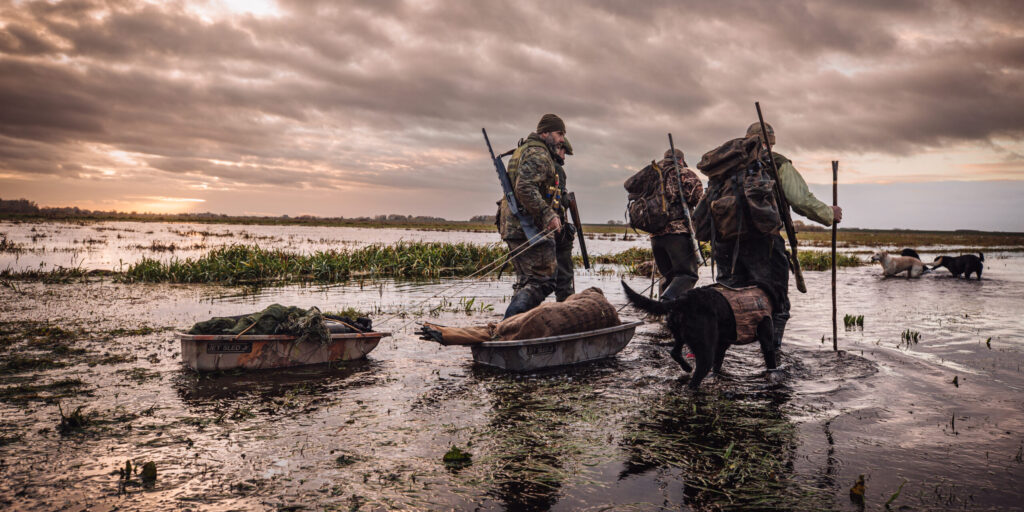
Probably the most important thing to consider is your shotgun. It might require a bit of attention after sitting in the cabinet untouched since last season. I know full well some of you reading this will have put your gun away after your last flight, promising you would give it a proper clean soon. But you haven’t used, or even touched it, since.
A thorough clean and inspection now can save you a lot of frustration – possibly even an unwelcome bill. Check for rust and make sure everything is functioning as it should. The marsh is an unforgiving place, which can cause havoc if you have neglected your hardware. If something doesn’t feel right, get it looked at by your local gun shop rather than hoping it will somehow sort itself out.
Cartridges are another thing people often leave until the last minute. For starters, make sure you have some. And if you don’t, then get some more before everybody else realises they are also low on stock. You need to remember the wildfowling season isn’t the only season to get going in autumn, and with the non-lead transition, more and more people are buying up steel. Gone are the days where just wildfowlers used non-lead. Times are changing.
Of course, no preparation is complete without a nod to the rewards on the plate.
Take a moment to check your chest freezer; you might still have some of last season’s success tucked away in there. If you do, this is the perfect time to get it out, whether it’s duck, goose or wader. Fire up the barbecue, maybe even slow-cook it, or roast and slice it for sandwiches. However you cook it, make sure it gets used before the new season starts. Otherwise, the freshly shot birds will be thrown on top and the old stuff will get even older.
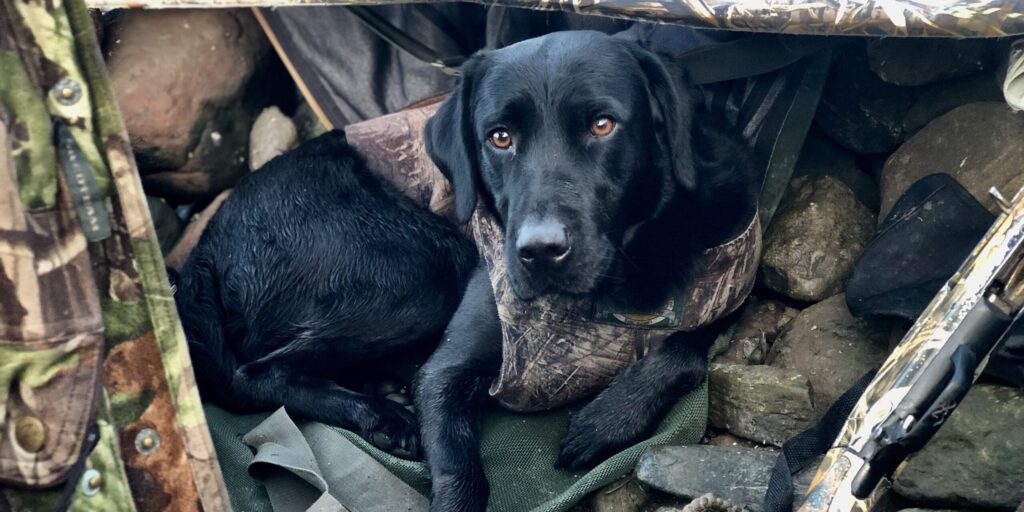
Lastly, it is also worth thinking about your own physical preparation. Wildfowling is not always the gentle stroll some people imagine, and unfortunately, none of us are getting any younger.
Long walks, carrying kit and dealing with rough weather can take their toll, especially after some all-inclusive holidays that you might have had over the summer. You do not need to suddenly become an athlete, but a bit of preparation physically, even over these final couple of weeks before the season, can make those early outings more enjoyable, especially if successful and you’ve a few geese to carry off. The same goes for that loyal Labrador.
By taking a little time to get organised, you can head into the season with less stress and more confidence.

Gloucester Wildfowling and Conservation Association gathered to celebrate more than 70 years of conservation, volunteering and responsible wildfowling.

Cross-party MPs and peers joined regulators, conservation bodies and wildfowlers to see ‘Call of the Marsh’, a new documentary from BASC and the Origins Foundation.

Wildfowl can produce truly delicious dishes, but, as Chris Wright knows all too well, it often comes down to how you cook it.