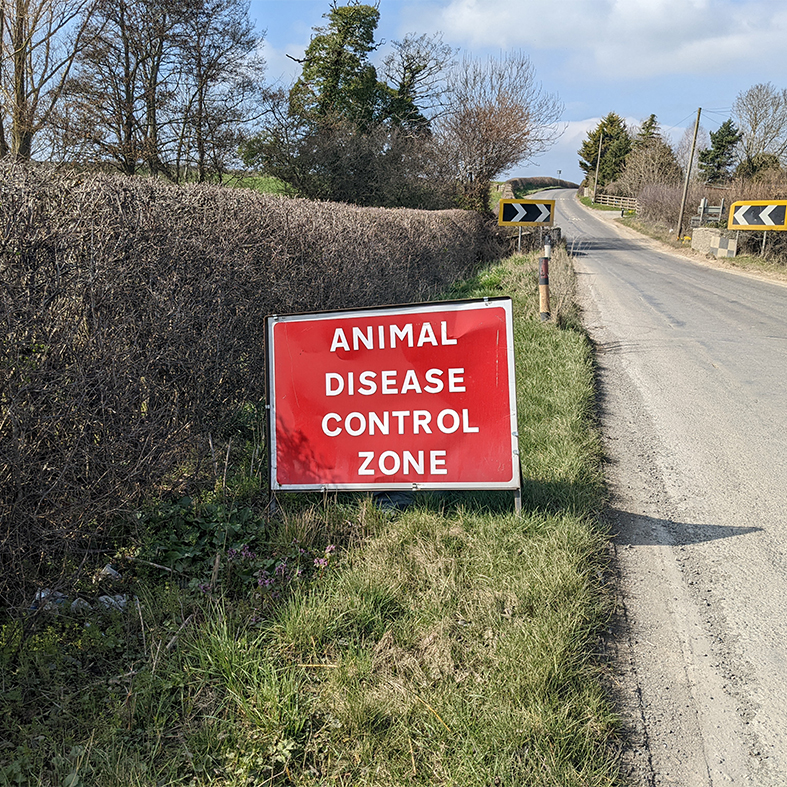





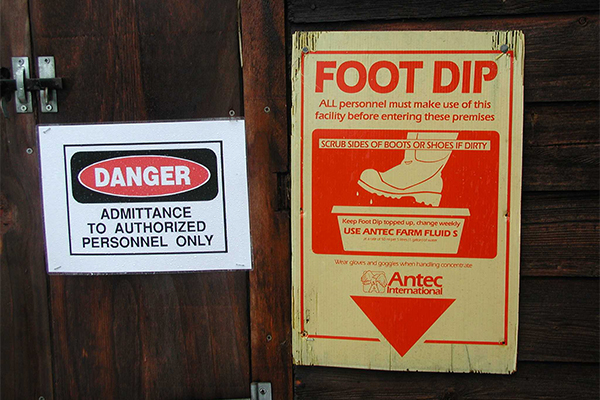
An animal disease control sign on the side of a country road

Disease risks to Deer

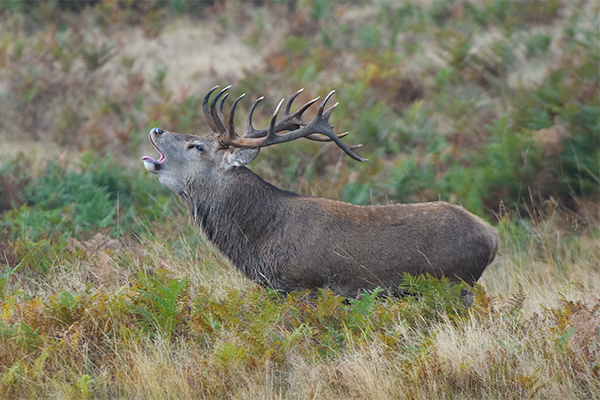
Wild deer in the UK tend to be very disease-free. However, there are some specific examples of disease that we should all be aware of and ready to deal with if found.

Lyme disease is spread by ticks which are very frequently found on deer and in the habitats that deer are found in. After stalking or handling deer, be sure to thoroughly check yourself over for any ticks that may have bitten you. Swift and proper removal is advised, and be particularly aware of the signs and symptoms of Lyme disease. Ticks are also capable of transmitting other serious illnesses such as tick-borne encephalitis, meaning that proper vigilance is key when handling any deer carcass.

Deer are susceptible of carrying bovine TB. Whilst relatively uncommon, it has been found in deer of various species across the UK. Proper inspection of the deer before shooting and after is essential, as is knowing the signs to be aware of with a TB infected deer. Best Practice recommends wearing clean, disposable gloves to handle deer during inspection to protect yourself from any potential infection.

If TB is suspected, you must legally notify the relevant authority depending on where you live. The carcass and all parts of it (such as the internal organs and head) should be kept together and isolated from any other carcasses and away from any livestock.

Other diseases

Deer in the UK are capable of becoming infected with many diseases. Proper carcass inspection and compliance with best practice is vital in detecting and preventing the spread of any of these diseases. In some cases, it may be advisable to clean & disinfect boots, equipment and vehicles when entering or leaving each property if certain diseases are present or thought to be.

Disease risks to Wild Boar

Trichinella

As omnivores, boar are susceptible to carrying the trichinella parasite. This parasite lives in the muscles of affected animals and is passed on by eating infected meat.

Testing for trichinella is mandatory if selling boar carcasses into the wider food chain and is highly recommended if keeping boar carcasses for personal consumption

African Swine Fever

African Swine Fever is a viral disease that affects pigs of all species. Although currently not found in the UK, it is spreading across much of Europe and poses a serious risk to pork industries. It tends to be spread either by physical contact between healthy and infected animals or by infected meat being consumed.

With this in mind it is vital that, if travelling back from affected countries, all equipment used on or around boar is cleaned and disinfected and that all rules on importing meat or other parts of boar are followed.

When in the UK, follow all guidance around the feeding of domestic pigs and avoid leaving any pork products out in the open in areas where feral boar are found.

Share

Privacy Overview

This website uses cookies so that we can provide you with the best user experience possible. Cookie information is stored in your browser and performs functions such as recognising you when you return to our website and helping our team to understand which sections of the website you find most interesting and useful.