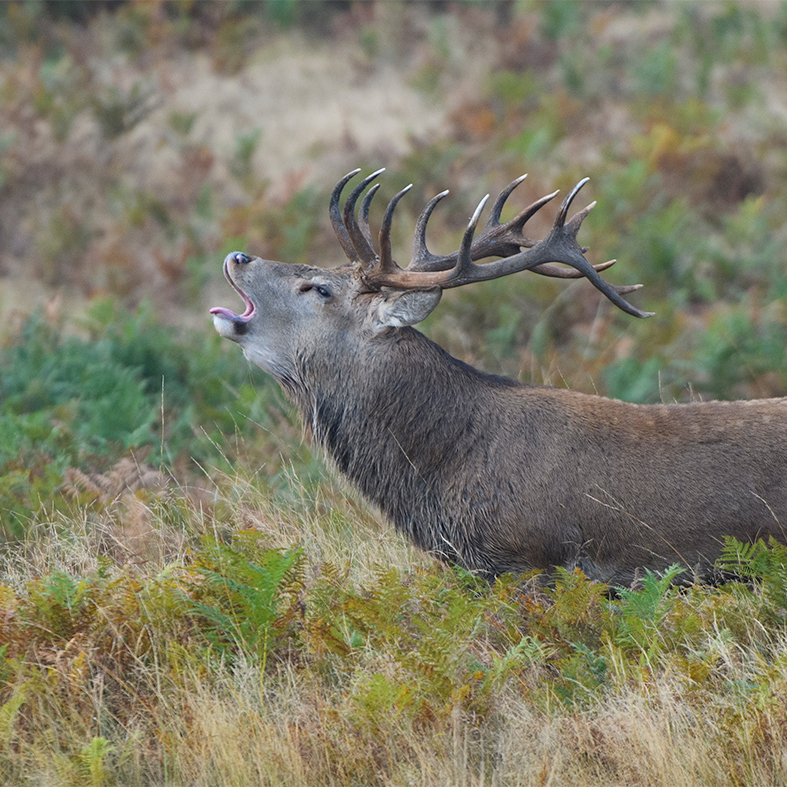


Red deer by Nick Lane

Biosecurity guidance for deer-stalking

Following basic biosecurity practices when stalking can help to protect us as deer stalkers, wildlife and prevent cross-species contamination and the unintentional spread of disease and invasive alien species (IAS).

Potential risks in Deer-Stalking

Whilst the risk of moving or catching disease from deer in the UK is very low, following good biosecurity practices is important. Potential risks include:

  • The risk of cross contamination or the spread of disease between deer or deer carcasses and humans
  • The risk of moving/transmitting disease or IAS from one area or property to another and potentially infecting other wildlife or livestock.

Recommended biosecurity practices for Deer-Stalkers

  • Liaise with other land users before heading out stalking. Farmers, gamekeepers and foresters may all have individual requirements for biosecurity that should be observed when sharing areas of land.
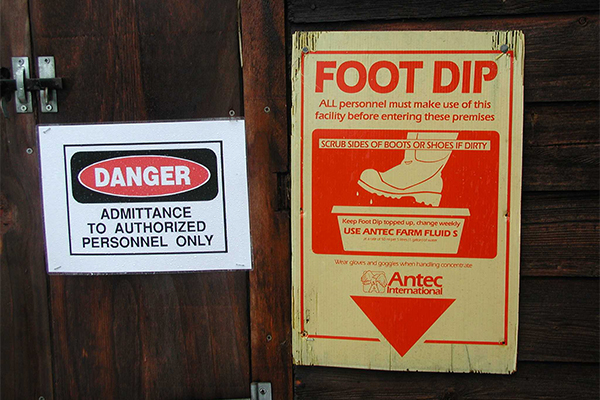
  • Adopt the general biosecurity measures: regularly clean clothing, boots, equipment and vehicles
  • Maintain good hygiene throughout: wearing clean disposable gloves protects ourselves when handling deer, whilst also ensuring good food handling practices by reducing the risk of cross-contamination.
  • Cleaning and sanitising equipment such as knives and saws during and after use
  • Keeping vehicles and trays clean when transporting carcasses
  • Use appropriate methods and techniques when extracting and transporting carcasses to avoid contamination.
  • Avoid going from high-risk areas, such as properties where prominent diseases are known to be present, to other sites without cleaning/disinfection.
  • Proper disposal of carcasses or parts of carcasses. After inspecting, if a carcass appears healthy, parts of the carcass (such as the gralloch and other organs) can be left in the field. This should be done sensitively and well away from water courses, high public areas or anywhere where they may pose a risk.
  • Be vigilant when handling and inspecting carcasses: if disease is suspected, ensure the correct action is taken. For any suspected notifiable disease, always contact the relevant authority and follow their guidance on how to proceed and what to do with the carcass. For non-notifiable diseases, letting the authorities know is not required. However, ensure you handle the carcass accordingly and ensure any carcasses or parts of carcasses that are unfit to enter the food chain are disposed of correctly.

Biosecurity guidance for Wild Boar

Although not a widely encountered species in the UK, proper biosecurity measures are essential when managing feral wild boar in the UK, or when travelling to Europe to hunt boar. It is recommended you follow the biosecurity advice for Deer Stalking.

Share

Privacy Overview

This website uses cookies so that we can provide you with the best user experience possible. Cookie information is stored in your browser and performs functions such as recognising you when you return to our website and helping our team to understand which sections of the website you find most interesting and useful.