





snowdrops in woodland

A new kind of keeper: how Southill is restoring nature from within

In the shifting conversation about land management, a familiar divide often appears between so-called ‘rewilders’ and traditional gamekeepers.

Online, the debate can sound like an irreconcilable clash of values. On the ground, however, reality often looks very different. Particularly when experienced land managers apply practical solutions based on what they see in the field.

restore logo

What is Restore?

Restore is a nature-first, naturalist-led organisation creating and delivering some of the most ambitious ecological restoration projects in Britain. From 11,000 acres of Bedfordshire lowlands to Salisbury Plain, they’re proving that restoration can benefit people, land and wildlife alike.  Restore works across landscapes, estates and private-sector partnerships to deliver measurable environmental outcomes through natural capital investment, rewilding and ecosystem restoration programs.
A long tradition of practical land management

That is certainly the case at Southill Estate in Bedfordshire. This is where head gamekeeper Paul Dunn, a BASC member, is playing a central role in a long-term approach to habitat recovery that builds on decades of professional gamekeeping.

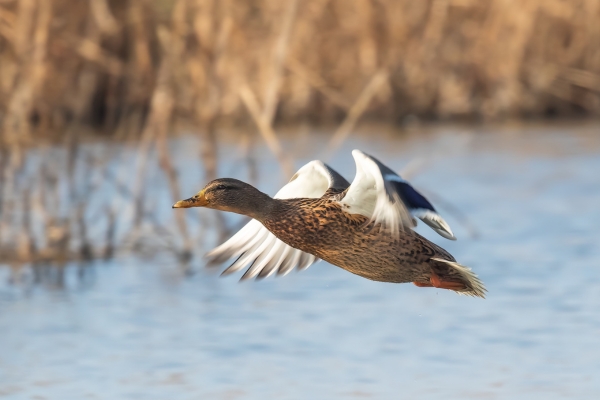
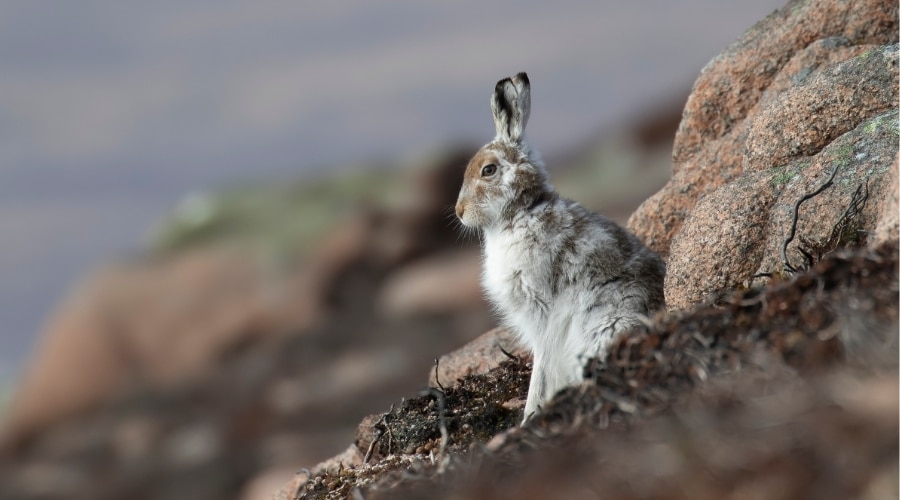
Southill is an 11,000-acre estate with a long history of careful management under owner Charles Whitbread. Long before ecological consultants from Restore became involved, the estate supported a wide range of wildlife, including lapwings, grey partridge and cuckoos. Hedgerows were productive and skylarks were present across the farmland. Hares were also a familiar sight – indicators of a landscape that was already being well looked after.

When Restore began working with the estate four years ago, the aim was not to replace that legacy, but to build upon it. The partnership sought to take an already successful wildlife system and move it towards a more fully functioning ecosystem by addressing pressures that were limiting recovery in some areas.

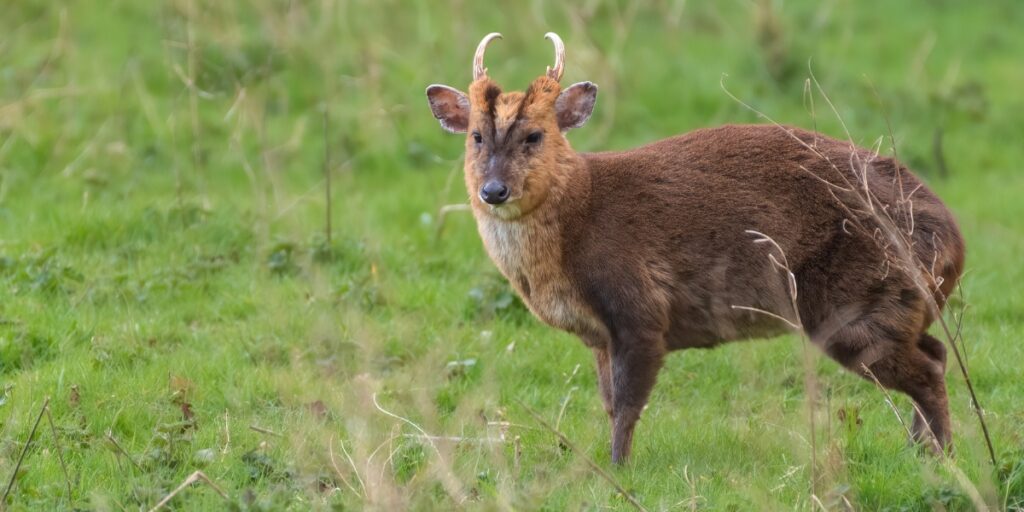
muntjac deer

A keeper guided by observation and evidence

Paul Dunn sits at the centre of that work. Those who work with him describe a keeper who is methodical, driven and guided by close observation. His decisions are shaped by what he sees on the ground. Where birds feed and nest, how vegetation responds to pressure and how different habitats connect across the estate.

This practical, evidence-led approach is actively promoted by BASC through its deer management advice and guidance.

Martin Edwards, BASC head of deer and woodland management, said: “Good deer management starts with understanding what is happening on the ground. Where deer numbers are too high, woodland and scrub simply cannot regenerate.”

One of the most significant steps at Southill was the decision to tackle deer overpopulation, particularly muntjac and Chinese water deer. In the absence of natural predators, these species had reached densities that suppressed the regeneration of shrubs and young woodland. Acting on ecological recommendations developed with Restore, Paul undertook a sustained reduction programme, personally removing nearly 3,000 deer over a two-year period.

When pressure lifts, nature responds

The impact was striking. Areas once grazed back began to regenerate, with blackthorn, hawthorn and bramble expanding from the margins. This dense structure provides vital cover for a range of species and supports the return of insects, birds and small mammals.

Grasshopper warblers became a regular sound again in areas of rough grass and low scrub. Nightingales returned to thickening hedgerows after decades of absence. Pipits and warblers benefitted from increased insect numbers, followed by cuckoos. Grey partridge numbers also responded as shelter and structure improved.

Martin said: “Reducing deer pressure allows natural regeneration to take place, and the benefits cascade through the system. That’s why deer management is so often the foundation for wider habitat recovery.”

The work at Southill was deliberate and planned, rather than reactive. Objectives were set, progress monitored and outcomes reviewed as habitats responded.

As Martin explains: “Whether it is for a business, habitat or species, effective deer management involves setting objectives, planning how to achieve them, acting on those plans, and then monitoring and reviewing outcomes.”

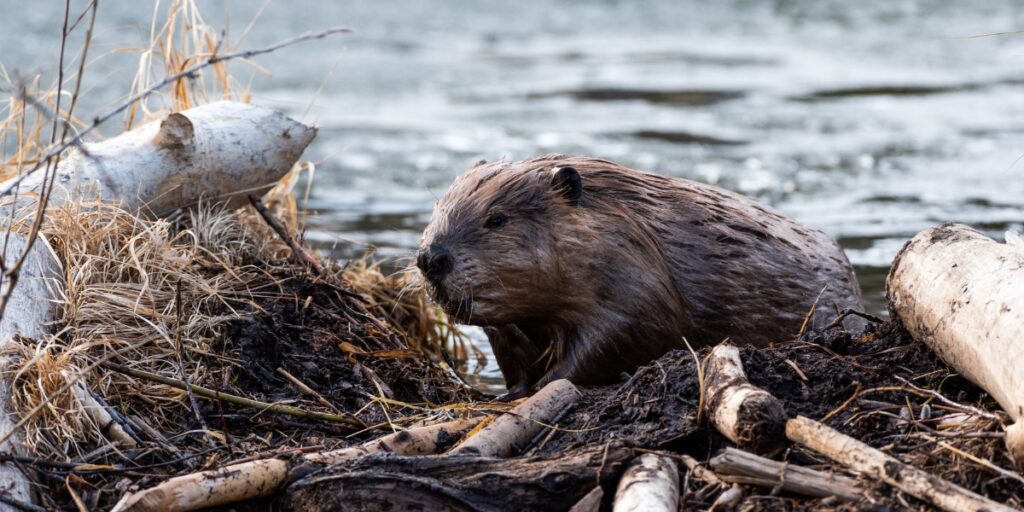
beaver in water

Applying natural processes in a managed landscape

Paul’s approach has also been shaped by time spent working overseas, where the role of large herbivores and predators in shaping habitat is more visible. That experience informs his understanding of how active management can replicate natural processes in a landscape where predators are absent.

Plans to introduce beavers within a fenced area on the estate are being approached in the same way, with careful consideration of how they may alter water flow, create wetland features and add further habitat diversity.

What stands out at Southill is not a rejection of traditional gamekeeping, but an extension of it. The same attention to detail, responsibility and consistency that underpin professional game management are being applied across the wider landscape.

Supporting professional deer management on the ground

While professional keepers remain central to delivering this work, others can also support deer management where appropriate.

Martin Edwards said: “Professional deer managers and keepers remain central to effective deer management, but trained volunteer stalkers can play an important supporting role. They help increase capacity on the ground and provide opportunities for new stalkers to learn good practice under experienced supervision.”

For BASC, Southill offers a clear example of what can be achieved when deer management is taken seriously and delivered to a high standard. It also challenges the idea that gamekeeping and conservation objectives sit in opposition.

Southill Estate demonstrates how practical deer management, supported by ecological input and delivered by a BASC member, can help restore balance, strengthen habitats and support biodiversity at scale.

Share

Privacy Overview

This website uses cookies so that we can provide you with the best user experience possible. Cookie information is stored in your browser and performs functions such as recognising you when you return to our website and helping our team to understand which sections of the website you find most interesting and useful.