Ponsonby Farms: a day beating for wild grey partridge
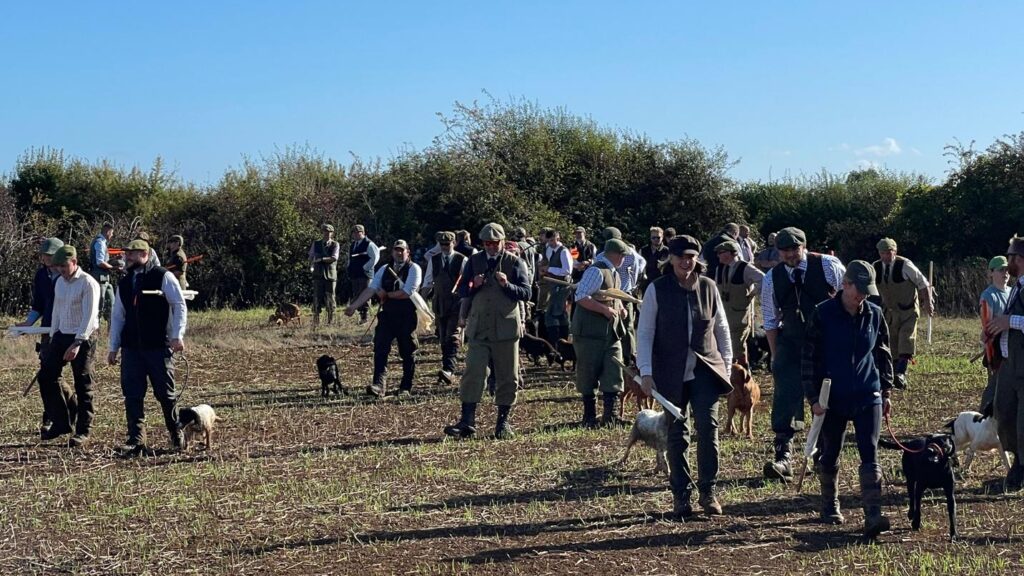
BASC’s Sam Walker joins the beaters at Ponsonby Farms in Gloucestershire to see a wild grey partridge recovery, built on shoot management, in action.
Get information on the legal shooting season for mammals and birds in the UK.
Apply for funding for your project or make a donation today
Comprehensive information and advice from our specialist firearms team.
Everything you need to know about shotgun, rifle and airgun ammunition.
Find our up-to-date information, advice and links to government resources.
Everything you need to know on firearms law and licensing.
All the latest news and advice on general licences and how they affect you.
Bisterne Estate runs a shoot, a working farm and a decade-long wader recovery project on the same stretch of land, all year round. This case study for BASC’s Four Seasons campaign looks at how it’s done, and why it’s a strong example of shooting and nature working in harmony.
The floodplain of the River Avon near Ringwood sits within one of southern England’s most important wetland corridors. At Bisterne Estate, the landscape is a working mosaic of grazing meadows, wet grassland and restored river channels that expand and contract with the seasons. Farming, conservation and field sports aren’t kept as separate land uses here; they’re run as parts of the same system.
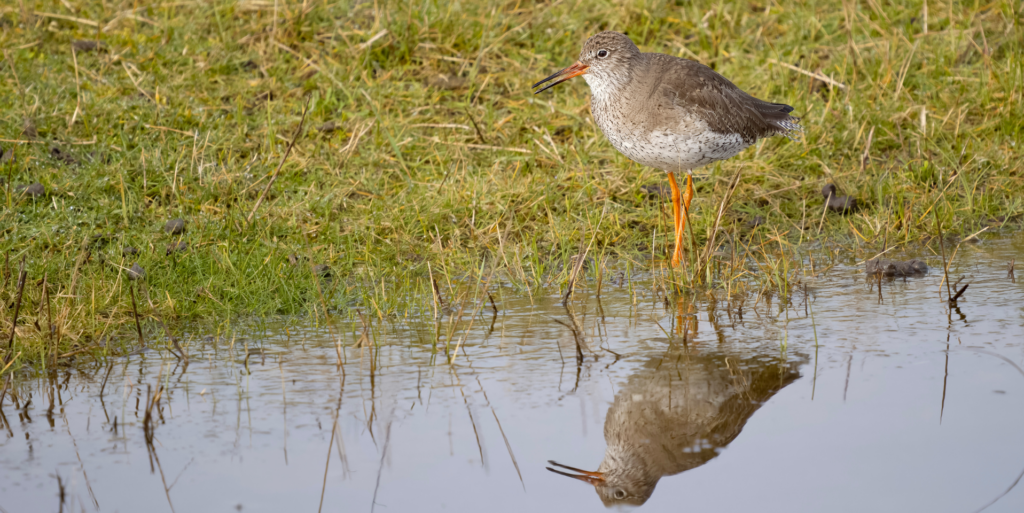
Over the past decade these wet meadows have become known for recovering breeding waders such as lapwing and redshank. The work has been led on the ground by game and wildlife manager Rupert Brewer, in collaboration with the GWCT, combining practical estate management with close ecological monitoring and a willingness to adjust course as the evidence comes in.
What makes the estate’s approach particularly distinctive is that the land remains fully productive. The meadows are still farmed, with grazing livestock used to maintain the short, open sward that ground-nesting birds need. Hay is still taken, but only once the breeding season has finished and chicks have fledged.
At Bisterne, waders nest and raise their chicks through spring and early summer; hay cutting and other farming activity dominates the late summer, after chicks have fledged; and the cooler months bring grazing, habitat maintenance and an established shoot for released pheasant and partridge.
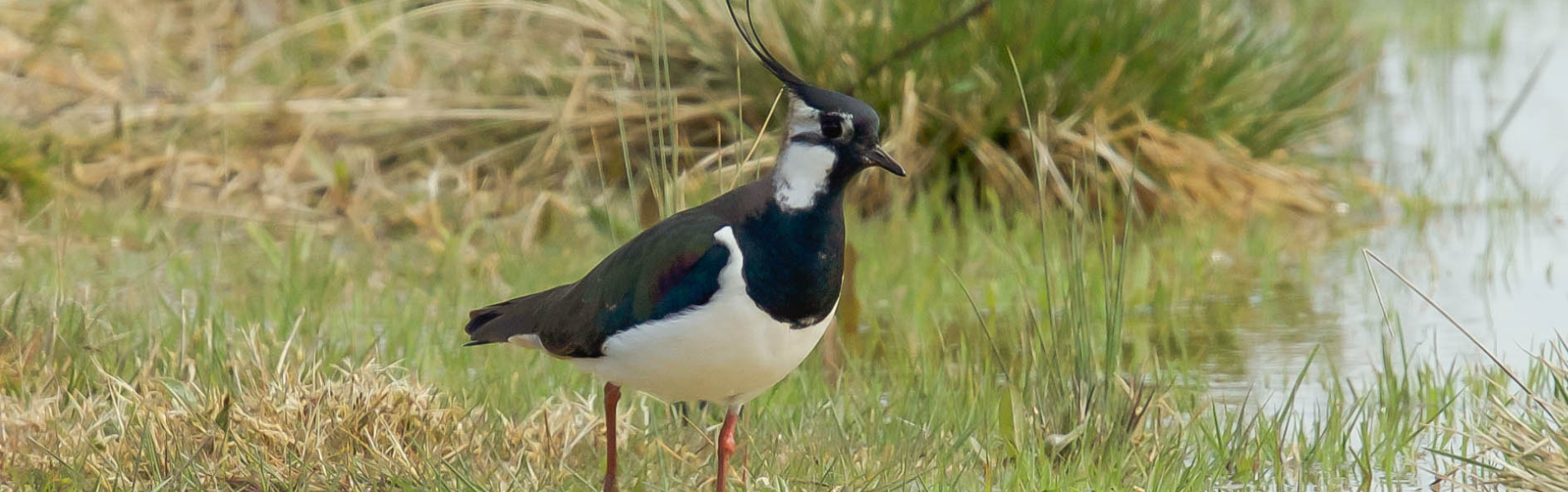
Walking through the meadows in late spring or early summer, the seasonal balance becomes immediately apparent. Lapwing defend territories across open pasture, calling sharply as chicks move through the grass. Redshank use wetter margins and ditch edges, while marsh harrier patrol low over the floodplain, taking advantage of the mosaic of cover and open ground. Recent field observations have recorded multiple lapwing pairs successfully raising chicks, a clear indication that the breeding cycle is completing within the system rather than failing at early stages.
Early on, the estate reflected a wider national pattern with habitat that seemed suitable but produced very low breeding success because of predation, particularly from foxes and corvids. Working with the GWCT, camera trapping and field observation helped identify where losses were occurring, which allowed management to become targeted rather than general.
Predator management, habitat creation and grazing patterns were all adjusted in response to evidence. Scrapes, wetter feeding zones and open nesting areas were created or improved to protect chicks during their most vulnerable stages. The result has been a measurable rise in the number of chicks fledged, the key factor determining whether populations can sustain themselves.
Wader chicks are ringed wherever possible, allowing survival rates and movement patterns to be tracked across the floodplain. That creates a feedback loop between observation and management, helping refine decisions year by year and identify which habitats are most productive.
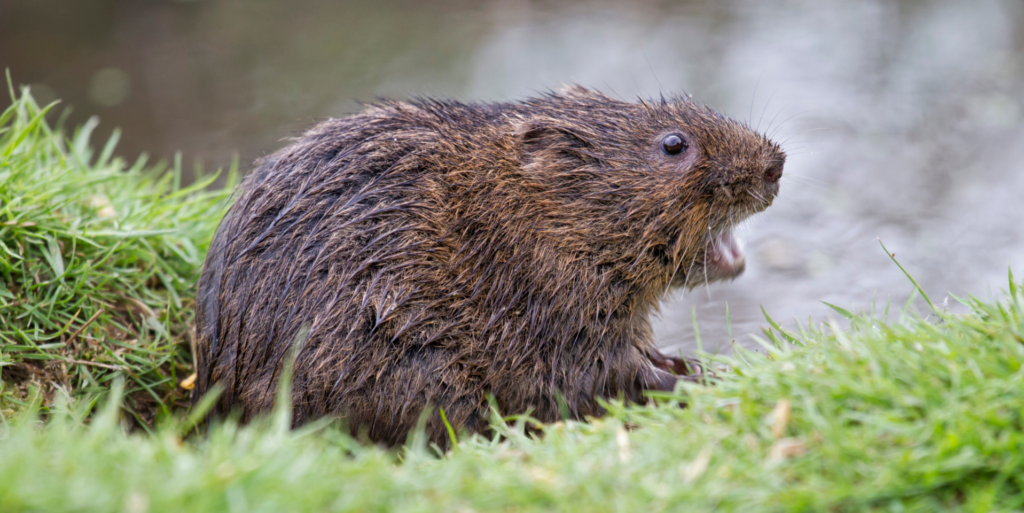
Water vole populations have benefited from restored ditch systems and the use of mink rafts to monitor and control invasive American mink. In some areas, supplementary releases have helped reinforce local populations, contributing to the recovery of a species that had majorly declined across much of the river network.
Bisterne is often identified as one of the more productive breeding areas for lapwing, a marked shift from surrounding farmland according to Rupert Brewer. In conservation and field sports circles, this kind of targeted management is seen as a model worth scaling: even a modest share of land managers taking a similar approach, informally put at around ten per cent, could meaningfully benefit ground-nesting birds across the wider countryside.
Not every shoot has a floodplain like Bisterne’s, or a decade of GWCT-backed monitoring behind it. But the work underpinning it, such as timing hay cutting to fall after chicks have fledged, and targeting predator control where the evidence says it’s needed, aren’t out of reach for operations of other sizes. Bisterne is proof those choices work when they’re followed through, and reason enough for anyone managing land, at whatever scale, to trust the same approach.
For more case studies highlighting how shooting benefits nature, click here.

BASC’s Sam Walker joins the beaters at Ponsonby Farms in Gloucestershire to see a wild grey partridge recovery, built on shoot management, in action.
BASC highlighted the importance of shooting to rural communities and the need for their voices to be heard at the Liberal Democrat Party Conference this week.
A farm has seen spring pair counts rise from 17 to 159 in under a decade, through habitat creation, insect-friendly farming and targeted predator control.