Five minutes with… Tom Ewin
Rising Star finalist Tom Ewin discusses his work in farming and conservation, his interest in deer management and his plans for the future.
Get information on the legal shooting season for mammals and birds in the UK.
Apply for funding for your project or make a donation today
Comprehensive information and advice from our specialist firearms team.
Everything you need to know about shotgun, rifle and airgun ammunition.
Find our up-to-date information, advice and links to government resources.
Everything you need to know on firearms law and licensing.
All the latest news and advice on general licences and how they affect you.
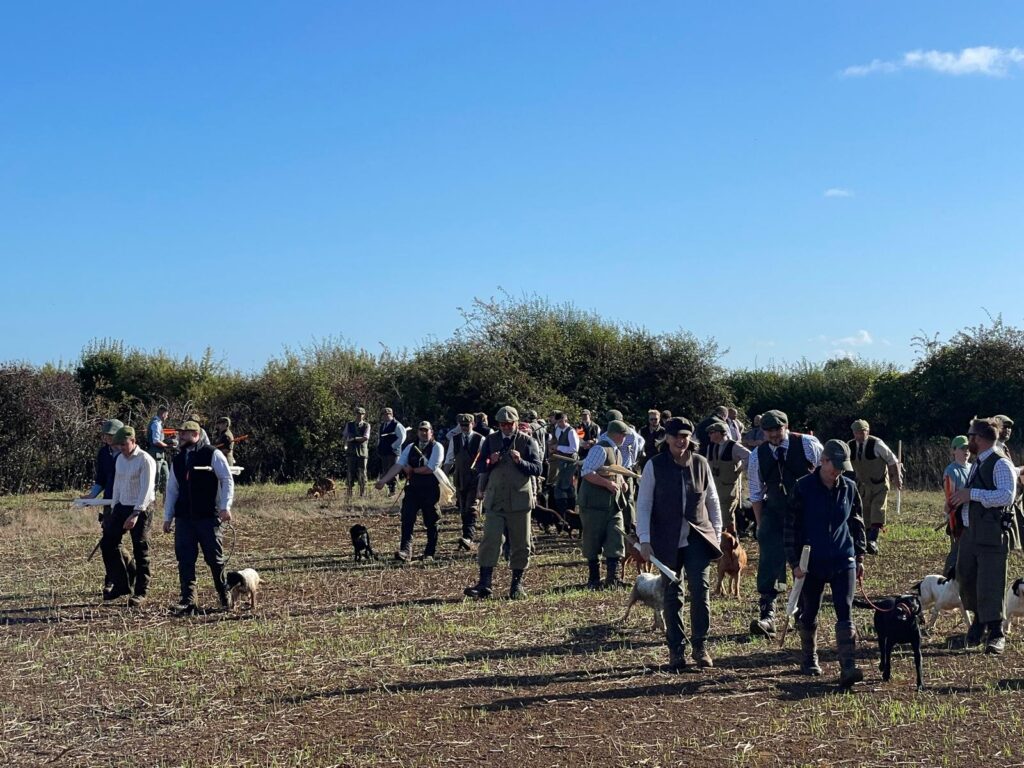
Last month we told the story of how Ponsonby Farms in Gloucestershire brought its grey partridge back from 17 pairs to 159, a recovery made possible by the habitat management, keepering and care that go into running the shoot. This October, BASC South West regional officer Sam Walker joined the beaters there to see what all that effort looks like on a shoot day.
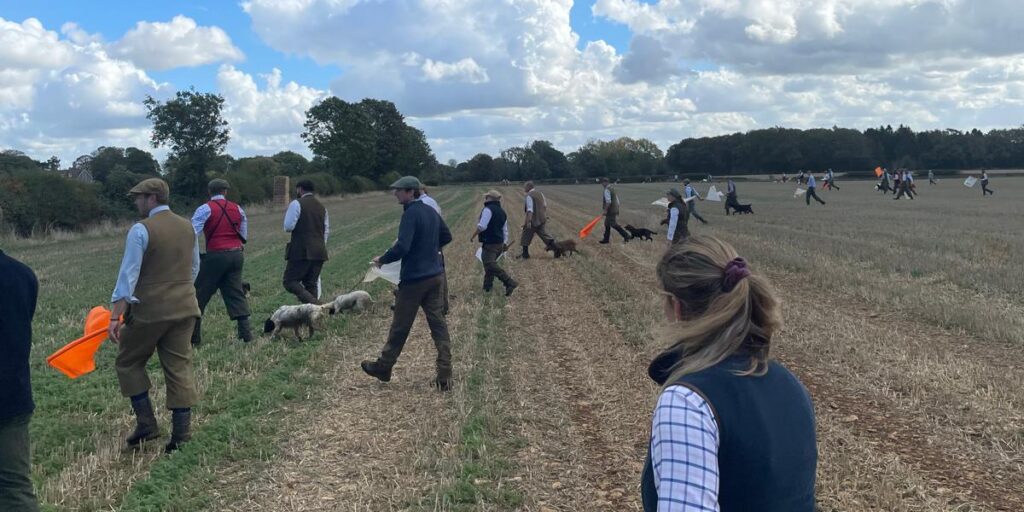
The shout went down the line just as a covey of wild greys lifted and swung left, away from the guns. A light breeze was blowing from left to right and for a moment it looked as though they’d slip out the side. Then the covey banked hard, like a formation of fighter jets, and ran the full length of the beating line while every one of us waved our flags to push them forward.
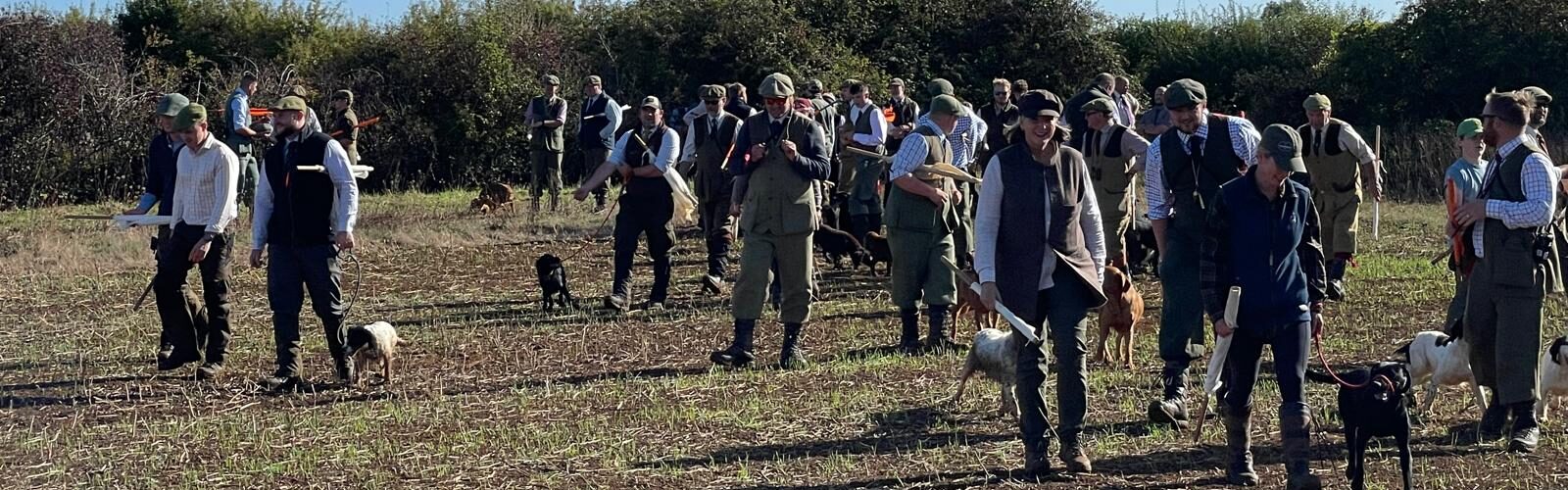
That drive will stay with me for a long time. Being at Ponsonby for a day’s beating, the first thing that struck me was the number of people. More than 80 of us took part, over 65 of us as beaters. It was amazing to see so many people come together, as a community, for a shoot built around a thriving wild population.
Our earlier Four Seasons campaign case study set out the habitat, insect-friendly farming and seasonal predator control behind Ponsonby’s grey partridge recovery, along with the pair counts to prove it. In the field, I got to see that proof in the air. Ponsonby is a great example of what can happen when shooting, farming and conservation pull in the same direction.
You could tell the guns knew they were watching something special, and the mood all day reflected it. I struggle to put into words what it’s like to see a covey of wild greys burst over a hedge towards the line.
I may never be in a position to shoot driven wild grey partridge myself, but that really doesn’t matter. For me, it’s about being part of a day like this and knowing how many years of hard work have gone into making it possible. Watching those wild birds go over from the beating line was a privilege.
Ponsonby is a haven for wildlife. Bird counts on the farm have found skylark, yellowhammer and corn bunting at considerably higher densities than in the surrounding countryside. From the beating line, the evidence was everywhere: hares across the fields and flocks of linnets and yellowhammers moving ahead of us all day.
Congratulations to George, Niall, Arthur and every beater, keeper and gun who made the day happen. Ponsonby shows what wild, sustainable shooting can look like when a farm commits to it for the long haul, and that the work that brings back grey partridge brings plenty of other wildlife back with it. With Defra currently gathering evidence on gamebird shooting, it’s the kind of story that deserves to be heard.
Rising Star finalist Tom Ewin discusses his work in farming and conservation, his interest in deer management and his plans for the future.
If designed well, the new qualification “could carry real weight” for how the next generation understands and interacts with the natural world, says BASC.

BASC has submitted its response to NatureScot’s public consultation, supporting the continuation of the general licensing system in Scotland.