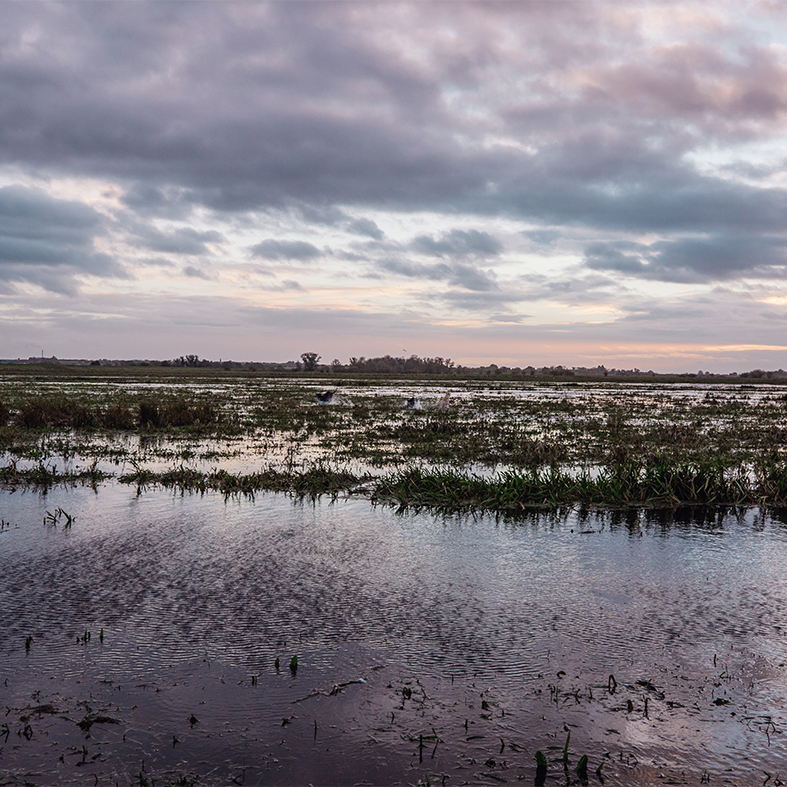






Wildfowling landscape by Callum McInerney Riley

Biosecurity guidance for wildfowlers

This guidance applies to all wildfowlers, including members, guests, guides, and anyone moving equipment into or between wildfowling areas.

Why biosecurity matters for wildfowlers?

Biosecurity is a core responsibility for all wildfowlers, serving as the essential defence against the spread of pathogens, such as Avian Influenza (AI), and damaging Invasive Alien Species (IAS). Good biosecurity helps protect the wetlands, birds, and habitats on which wildfowling depends, it upholds high standards and helps safeguard the long-term future of wildfowling.

Key risks from wildfowling

Pathogens and invasive species can be spread through water, mud, vegetation, feathers, and faeces carried on boots, clothing, equipment, boats, dogs and vehicles.  

Recommended biosecurity practices for Wildfowlers

Adhere to site-based requirements

  • Follow any biosecurity advice stipulated by the landowner, regulator, and or wildfowling club.
  • Consider enhanced protocols to combat specific risks like areas of Himalayan Balsam, or significant numbers of Avian Influenza findings in wild birds,

Check, clean, & dry

  • Ensure your vehicle is clean, especially if you have recently visited other wetland areas.
  • Contamination on gear, clothing, and footwear is a risk when moving between sites. You should:
  • Check all gear for visible mud, plant fragments, seeds, or organisms.
  • Remove all visible contamination (scrape, brush, rinse).
  • Then, wash everything thoroughly with clean water.
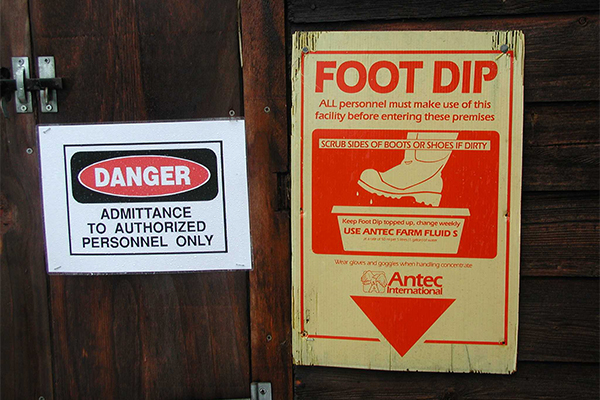
  • Apply government-approved disinfectant and follow label instructions.
  • Ensure all items are completely dry before traveling to a new site or consider a change of footwear.

Report dead or sick wild bird findings: 

  • Wildfowlers are out in areas and at times when others are not; we are often the first to see signs of disease in wild birds and early reporting is essential.
  • Avoid Contact: Do not touch any dead or visibly sick wild birds.
  • Reporting: Report dead wild birds (official reporting procedures)
    • If reporting dead wild birds, note the location, number of birds, species (if known), and any unusual behaviour observed.

Dogs

  • Keep dogs out of areas with obvious bird carcasses, and don’t let dogs retrieve or mouth obviously sick or dead wildlife.
  • Rinse, wash and dry your dog after working in muddy or known high-risk areas.
  • Clean dog crates, vests, and leads the same way as other equipment.

Watercraft

  • Drain all water from bilges/tanks, flush engines with clean water, and remove all fouling (plants/mud) at the access site and do not return it to the water.

Share

Privacy Overview

This website uses cookies so that we can provide you with the best user experience possible. Cookie information is stored in your browser and performs functions such as recognising you when you return to our website and helping our team to understand which sections of the website you find most interesting and useful.