





North pennines
North pennines

Why are public consultations important to shooting?

BASC’s head of uplands Alex Farrell discusses BASC responses to consultations, in this case on national landscape management plans for the North Pennines and the Forest of Bowland.

At BASC, our policy work includes responding to consultations that impact on shooting and conservation at regional, national and international level.

That includes commenting on the development of plans for national parks and other designated areas with the aim of securing a balanced approach to shooting in these local strategies and policies.

Sometimes at the outset of these consultations there are negative narratives presented about shooting that need to be challenged. Recent consultations on national landscape management plans for the North Pennines and the Forest of Bowland are a case in point.

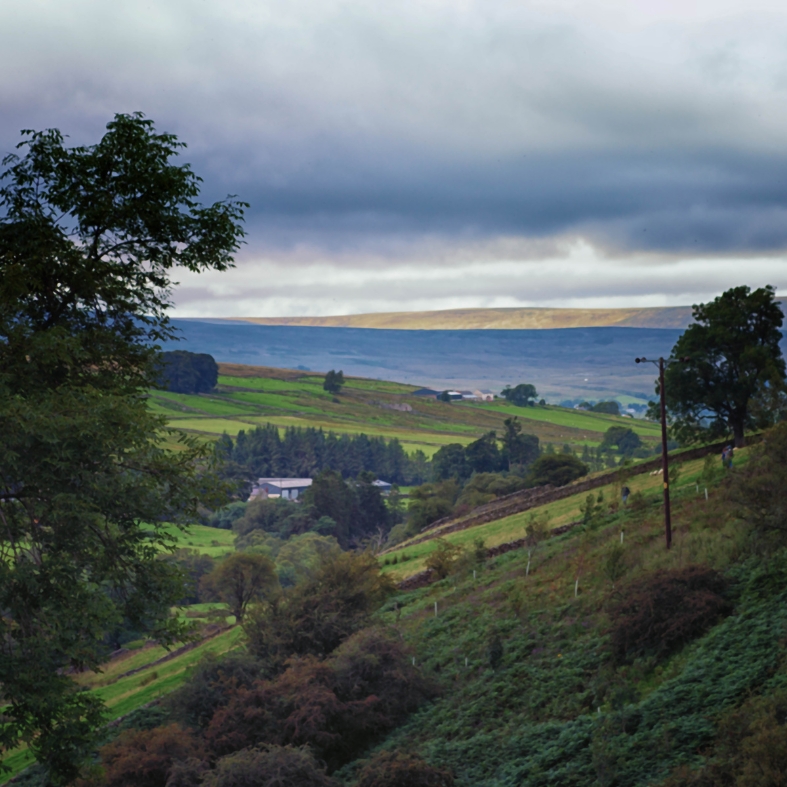
North Pennines national landscape management plan

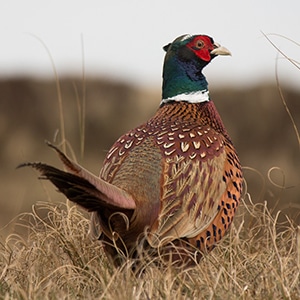
For the North Pennines draft plan, we challenged unevidenced proposals for 500m exclusion zones for gamebird releasing or feeding in or around various habitats and designated areas. It is not the role of a management plan to overrule due process on designated wildlife sites.

Rather than such a blanket prescriptive approach, we recommended that release of gamebirds should follow the GWCT’s sustainable gamebird release guidelines and the Code of Good Shooting Practice, including siting, release densities and complementary habitat and species management.

We argued that lawful practices such as burning and cutting should not be singled out or discouraged where evidence shows they deliver multiple environmental and land management benefits.

BASC also recommended that the plan should explicitly acknowledge predator prey dynamics. Ground-nesting waders are vulnerable to predation, especially in spring and we explained that predator control has been shown to increase nesting success and should be recognised as a legitimate conservation tool.

Forest of Bowland national landscape management plan

The draft Forest of Bowland management plan sets out ambitious environmental and climate goals. 

We welcomed its recognition of the role estates and gamekeepers play in wildlife and landscape management and reinforced that this should be consistently reflected throughout the plan.

We highlighted the need for clear delivery and cost models, sustainable peatland management, and the importance of maintaining habitats that support all species. 

Collaborative, locally led initiatives will be essential to achieving these outcomes, alongside maintaining operational capacity across farms, estates and gamekeeping teams. 

Many of Bowland’s most valued habitats and species rely on ongoing, skilled management and effective delivery would not be possible without farmers, landowners, gamekeepers and estate staff.

We also emphasised that lawful, evidence-led predator management should be clearly framed as a tool to support breeding success for priority ground-nesting species, with appropriate monitoring and adaptive review.

Restoration alone is not enough. Active, ongoing land management is vital to ensure resilience to wildfire as well as extreme weather and ecological change.

Outcomes

Of course we want all our recommendations to be adopted and improvements made to the management plans. The reality is that not everything will go our way in the final documentation. It is therefore important to keep dialogue open and we’ll continue to work closely with the national landscapes teams to improve the plans wherever possible.

Whatever the outcome in the content of the plans, it will be the ongoing engagement by local people with those involved in the implementation of such plans that ultimately makes the difference.

Local knowledge and input is vital for those involved in running estates and that includes attending public meetings and nipping in the bud ill-thought our proposals – that is where BASC can help. Get in touch with your concerns and we can intervene.

By working together, we can ensure that conservation ambitions are delivered in ways that sustain both landscapes and rural communities. Sustainable shooting and environmental stewardship are not opposing forces, when properly recognised and supported, they go hand in hand.

If you’re a member, stay engaged with consultations in your area. Your insight strengthens our voice and helps secure practical, balanced outcomes for the future.

Share

Privacy Overview

This website uses cookies so that we can provide you with the best user experience possible. Cookie information is stored in your browser and performs functions such as recognising you when you return to our website and helping our team to understand which sections of the website you find most interesting and useful.