
Five minutes with Schöffel Countryside Awards finalist Jim Allsop
Jim Allsop has spent a decade turning Monkwood, a 270-acre site near Chesterfield, into a haven for wildlife.


Get information on the legal shooting season for mammals and birds in the UK.

Apply for funding for your project or make a donation today

Comprehensive information and advice from our specialist firearms team.

Everything you need to know about shotgun, rifle and airgun ammunition.


Find our up-to-date information, advice and links to government resources.

Everything you need to know on firearms law and licensing.

All the latest news and advice on general licences and how they affect you.
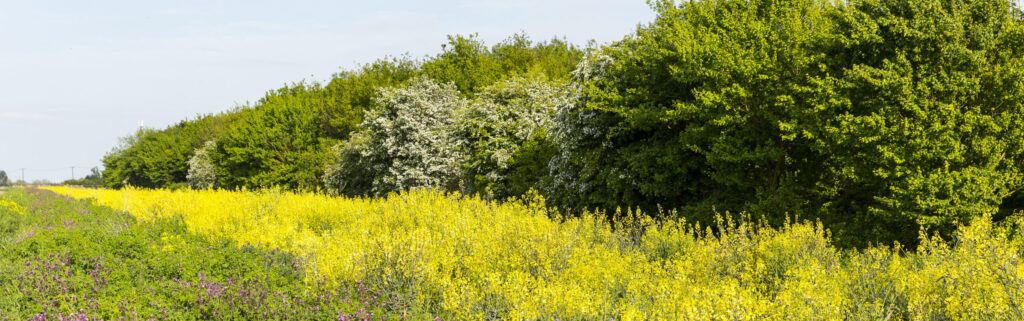
Defra’s new 30by30 delivery plan needs private land to succeed. BASC’s Ian Danby explains how sustainable shoots can qualify.
At a glance:
30by30 is the government’s commitment to protect 30 per cent of land for biodiversity by 2030. No doubt it’s an ambitious target, and one for which private landowners and land managers will be vital if it is to be met.
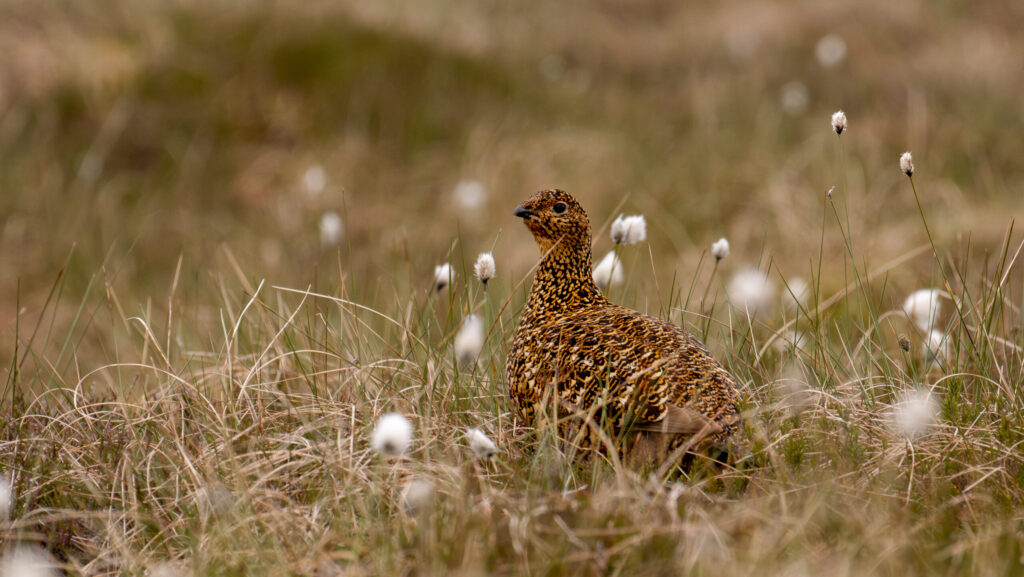
Those running sustainable shoots could make the difference between success and failure. From grouse moors to coastal areas managed for wildfowling, these landscapes can and should help meet the challenge by volunteering land to become part of the 30by30 network.
I say ‘can’ because the criteria and support that government is putting forward can work for land used for shooting. In fact, three well-known estates with sustainable shoots are members of the government’s National Estate for Nature Group, demonstrating how 30by30 can be successfully delivered alongside sustainable land management.
I say ‘should’ because, as the sector responds to the challenges it faces, having land managed for both shooting and biodiversity conservation recognised as 30by30 sites would provide a powerful political demonstration. It would show that the conservation benefits delivered through sustainable shooting are essential if the government is to meet its statutory and wider nature recovery commitments.
There is another reason I say ‘should’. Achieving 30by30 is not going to be attractive or feasible for every landowner. The level of restoration and long-term management required simply will not suit every holding.
Put simply, if the shooting community does not engage with Defra on this agenda, I personally doubt government will get anywhere near its 30 per cent target. The consequence is likely to be further nature decline, which is the environmental issue BASC members identified as their top concern in our recent survey.

I am well placed to explain this because BASC has been part of Defra’s 30by30 working group for the past few years, helping refine the delivery plan, the criteria and the process for recognising land as part of the 30by30 network.
Today, the government published both its 30by30 Delivery Plan and accompanying guidance, setting out the criteria and application process. In essence, Defra is introducing a Bronze, Silver and Gold framework.
Land with Gold status formally meets the criteria and counts towards the national 30by30 target. Silver is for land that is either being assessed for Gold status or is in the pipeline to achieve it through further interventions. Bronze recognises land that is already delivering positive outcomes for nature but does not meet the criteria for 30by30.
Current assessments suggest that only around seven per cent of England’s land – primarily Sites of Special Scientific Interest (SSSIs) – already meets the Gold standard.
A further three and a half per cent of land, including nature reserves and sustainably managed woodland, is expected to qualify in the near future. That still leaves a significant gap. However, Defra’s analysis suggests that around 32 per cent of England has the ecological potential to reach Gold status.
Importantly, 30by30 will not be made up solely of SSSIs, National Parks or Protected Landscapes, important though they are. Defra will also need undesignated private land managed through Other Effective Area-based Conservation Measures to step forward and help meet the target. The delivery plan has incentives and support for both areas.
There are three criteria that land must meet to achieve Gold status and count towards the 30by30 target:
These criteria can apply just as readily to a sporting estate as they can to a wildfowling club.
There are important points that address some of the potential concerns people have raised:
Defra’s Delivery Plan and accompanying guidance also set out the support it is developing to help landowners meet the costs of delivery, including new funding opportunities within Protected Landscapes and technical advice.
Start by asking yourself these questions:
If you an answer ‘yes’ to all four questions above, or if you want to discuss whether your land might qualify, please get in touch. We can help you through the process.
I cannot stress enough the opportunity this provides shoots that are run to best practice to be formally recognised as being good for the environment.
*Incompatible uses could include:

Jim Allsop has spent a decade turning Monkwood, a 270-acre site near Chesterfield, into a haven for wildlife.

Artist and author Will Garfit explains how his small shoot turned 69 acres of gravel workings into a haven for 148 bird species and over 460 plants.

The government’s review of game shooting closes on 1 November. One email is all it takes. If you haven’t sent yours yet, today is the day to act, says Conor O’Gorman.