
Invasive non-native deer species in the UK
BASC deer advisor James Sutcliffe looks at two of the most destructive invasive non-native deer species which have made our isles their home.

Get information on the legal shooting season for mammals and birds in the UK.
Apply for funding for your project or make a donation today
Comprehensive information and advice from our specialist firearms team.
Everything you need to know about shotgun, rifle and airgun ammunition.


Find our up-to-date information, advice and links to government resources.
Everything you need to know on firearms law and licensing.

All the latest news and advice on general licences and how they affect you.

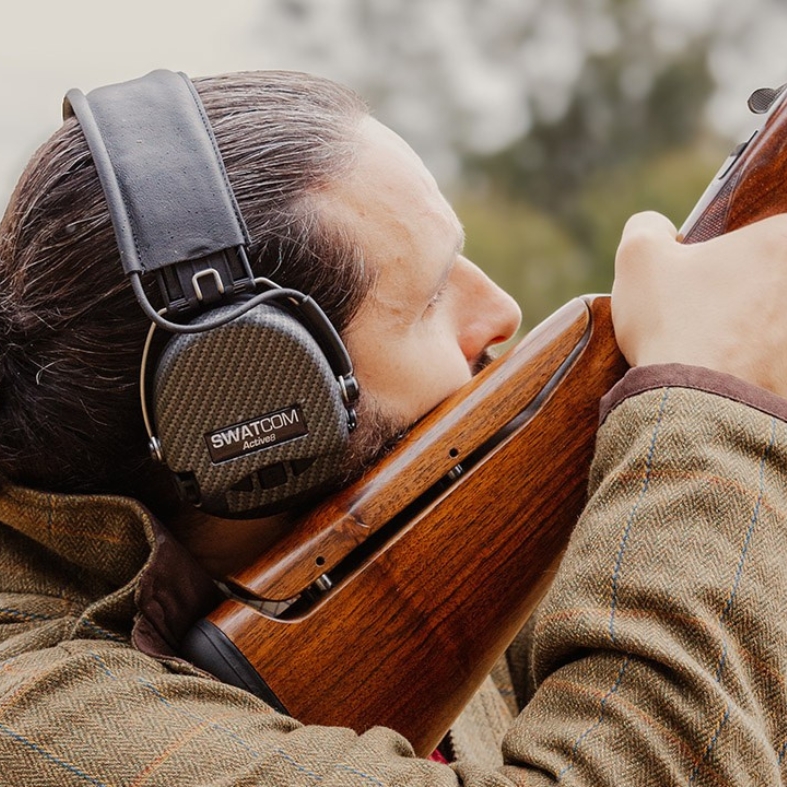
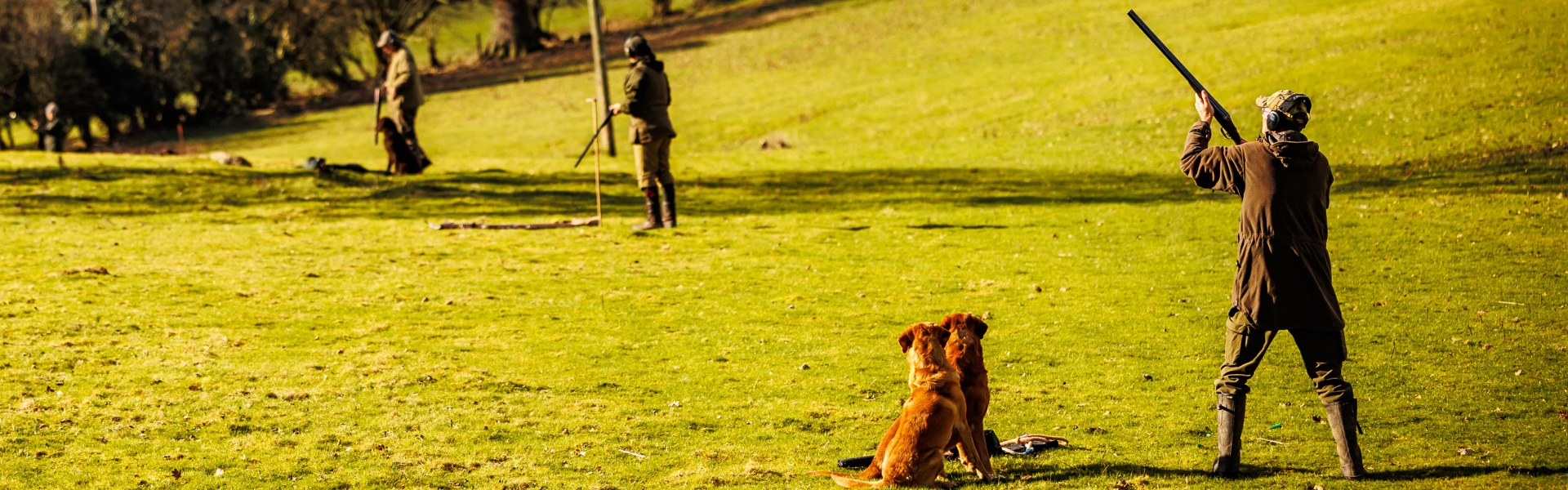
A single unprotected shot can be enough to cause permanent hearing damage. Here’s what shooters need to know about protecting their hearing in the field, on the range and on the clay ground.
You’ll have heard it on a clay ground or on the peg: “It’s only one shot.”
Sometimes it’s an excuse for leaving ear protection in the car. And sometimes, nobody wants to be the one holding things up.
But when it comes to hearing, that ‘one shot’ can do real, lasting damage. Hearing loss does not need a dramatic incident. It can start with a single unprotected moment.
Firearms produce impulse noise. It is sudden and intense. Because the sound is over quickly, it is easy to underestimate. In the real world, exposure is unpredictable:
If you shoot regularly, hearing protection is not optional kit – it is part of your PPE.
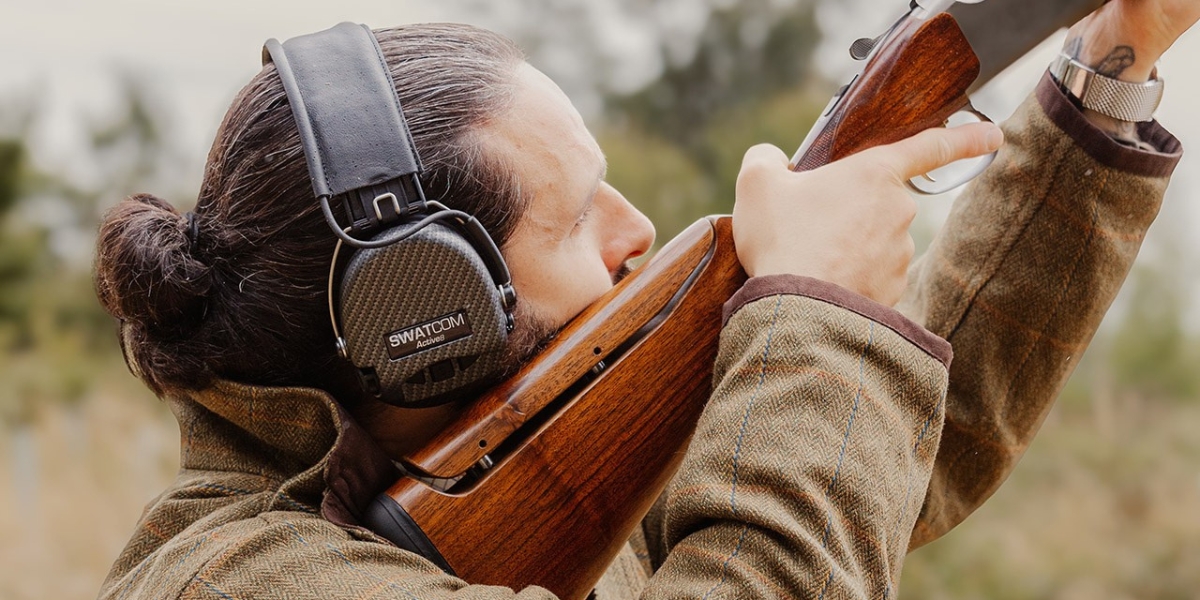
Even one unprotected shot can be enough to cause harm.
The effect depends on distance, angle, calibre and surroundings. You might notice ringing or muffled hearing afterwards. You might not. The absence of symptoms does not mean there was no damage.
Make protection part of your routine. Keep it with you, not in the car. Put ears on before you load.
Tinnitus is only one warning sign. Some shooters notice a dull or blocked feeling instead.
Others only realise later when they struggle in busy rooms; ask people to repeat themselves more often; or even feel unusually tired after a shooting day.
If something feels off, take it seriously. Get your hearing checked. Do not ‘test’ your ears by going without hearing protection.
Open ground helps, but many shooting environments amplify sound. Hides, tree cover, banks, gateways and covered clay stands all reflect noise back towards you.
A shot that feels manageable in an open field can be harsh under a roof or in a confined position.
Wear hearing protection outdoors as standard. Increase it for covered stands, busy clay sessions or confined spaces. If you are mentoring or supervising, make ‘ears on’ part of the safety brief.
Moderators and different loads can reduce perceived noise, but they do not remove risk entirely. The issue is what reaches the inner ear, not simply what feels loud. You may also be standing near other shooters or in a position where sound reflects back at you.
If muzzle brakes are in use, hearing protection is non-negotiable for everyone nearby.
Electronic ear defenders or plugs can allow normal conversation while reducing impulse noise.
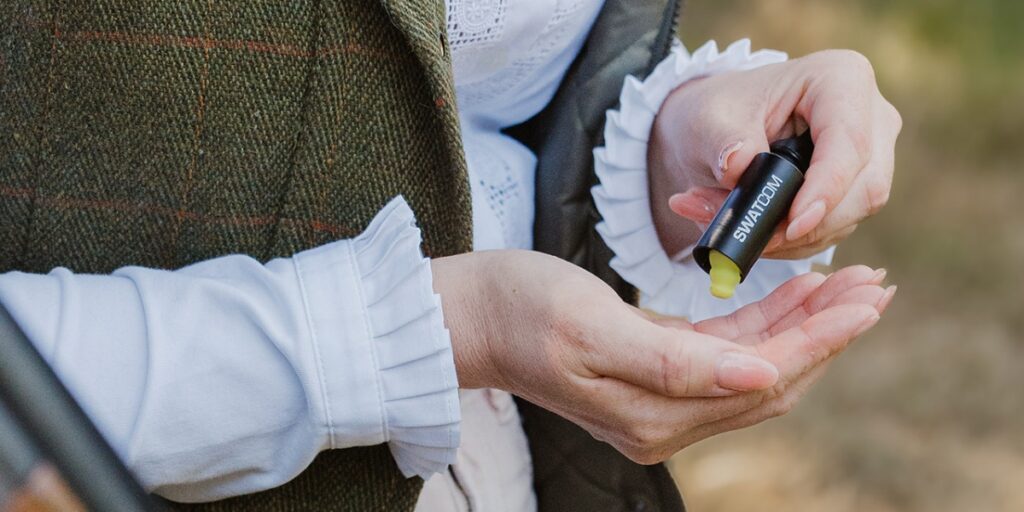
Not always. Using plugs and ear defenders together makes sense in high-volume clay sessions.
It also works great when sighting in or zeroing near other shooters, on covered firing points, in confined spaces or when muzzle brakes are involved.
It is also sensible if you already have hearing issues and want to avoid making them worse.
Foam plugs can work well if inserted properly. Unfortunately, many are not. Roll them, pull the ear back, insert deeply and hold in place.
Replace disposable plugs regularly and carry spares. If fit is inconsistent, consider reusable or custom-moulded options.
The best hearing protection is the one you will wear correctly and consistently.
Poor fit is usually the problem. Modern options include slim-profile defenders, neckband styles and in-ear plugs designed for shooting.
If bulky muffs interfere with your mount, try lower-profile versions. If cups affect your cheek weld, explore in-ear options.
Discomfort leads to lifting one cup or removing protection at the wrong moment. Find something that works and stick with it.
You can protect your hearing and stay aware of your surroundings even at the busiest of shoots.
Electronic protection allows normal sounds through while reducing gunshot noise. That means you can hear instructions, dogs working and movement along the line. Even with non-electronic options, good communication helps. Remember to always face the person speaking and confirm instructions. Avoid the habit of lifting one ear to talk.
Choose hearing protection that:
Put it on before shooting starts and carry spares. Offer protection to newcomers and spectators and treat your hearing protection as you would any other essential kit.
BASC members receive a 15 per cent discount on SWATCOM hearing protection through the member offers section of our website. Find out more here.

BASC deer advisor James Sutcliffe looks at two of the most destructive invasive non-native deer species which have made our isles their home.

Read more information about bluetongue virus, why it is important for deer managers to be vigilant, and what to do if you suspect a case.
BASC is seeking assurances from all PCCs that funds raised from any fees increase will be used to resource firearms licensing departments.