Ensuring cultural recognition for shooting
Patrick O’Reilly discusses the government’s Living Heritage Lists and why we must ensure that shooting is recognised within them.

Get information on the legal shooting season for mammals and birds in the UK.
Apply for funding for your project or make a donation today
Comprehensive information and advice from our specialist firearms team.

Everything you need to know about shotgun, rifle and airgun ammunition.


Find our up-to-date information, advice and links to government resources.
Everything you need to know on firearms law and licensing.
All the latest news and advice on general licences and how they affect you.

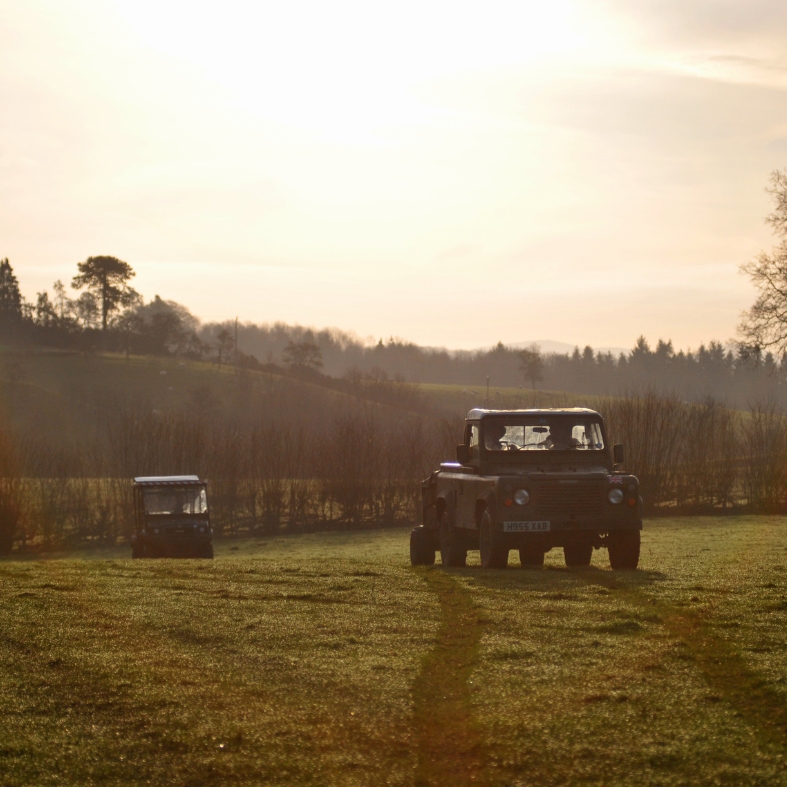
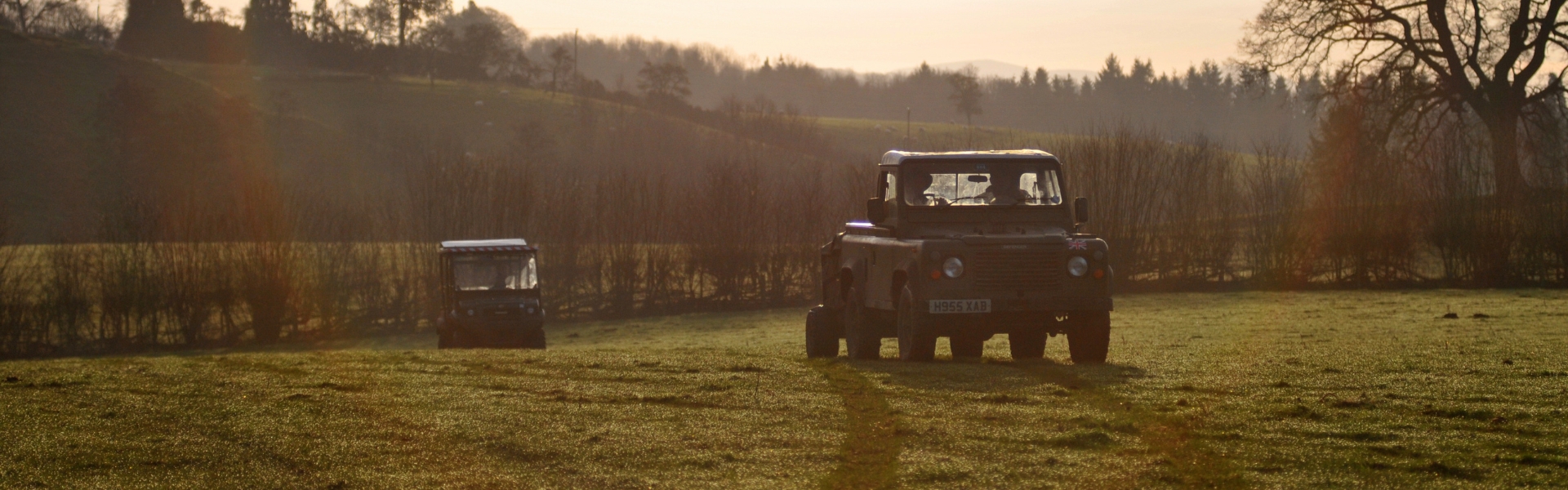
BASC’s Gareth Dockerty explains why in the wake of an increase in AI across the country, good biosecurity is now more essential than ever. By working together and adopting a few straightforward measures, we can help safeguard the birds and landscapes we value.
No shoot wants to face the disruption and worry that comes with bird flu, or as it’s more formally known, avian influenza (AI).
The good news is that small, practical steps, such as cleaning boots and equipment, can meaningfully reduce the risk of transferring viruses between locations. Many members already do this as part of their routine, and with a little consistency, these habits can become second nature for all of us.
While biosecurity might not be the most exciting topic, it is an important one. In just a few minutes, I hope to give you a clearer sense of why these measures matter and how they can help safeguard the birds, people and shoots we all care about.
Biosecurity is simply about minimising the risk of spreading disease. We have all had a recent lesson in biosecurity thanks to COVID; society is more aware of our ability to spread viruses and the simple steps we can take to reduce the risks.
It all starts with cleaning, drying and disinfecting. The easiest way to implement biosecurity measures is just forming consistent habits around our routines.
Somebody said to me the other day “biosecurity is just a PR stunt, the birds with the disease do not fly in wearing my wellies or drive my vehicle”.
But the reality is that viruses can survive in mud and organic material, and they can travel with us without us even knowing. Adopting straightforward precautions reduces that risk.
We should also be proud of the fact that so many shoots across the country are exemplars of good biosecurity. It shows regulators, decision-makers, landowners and stakeholders in the countryside that the shooting sector cares and is responsible. It helps us build trust and demonstrates that we are a solution and not part of the problem.
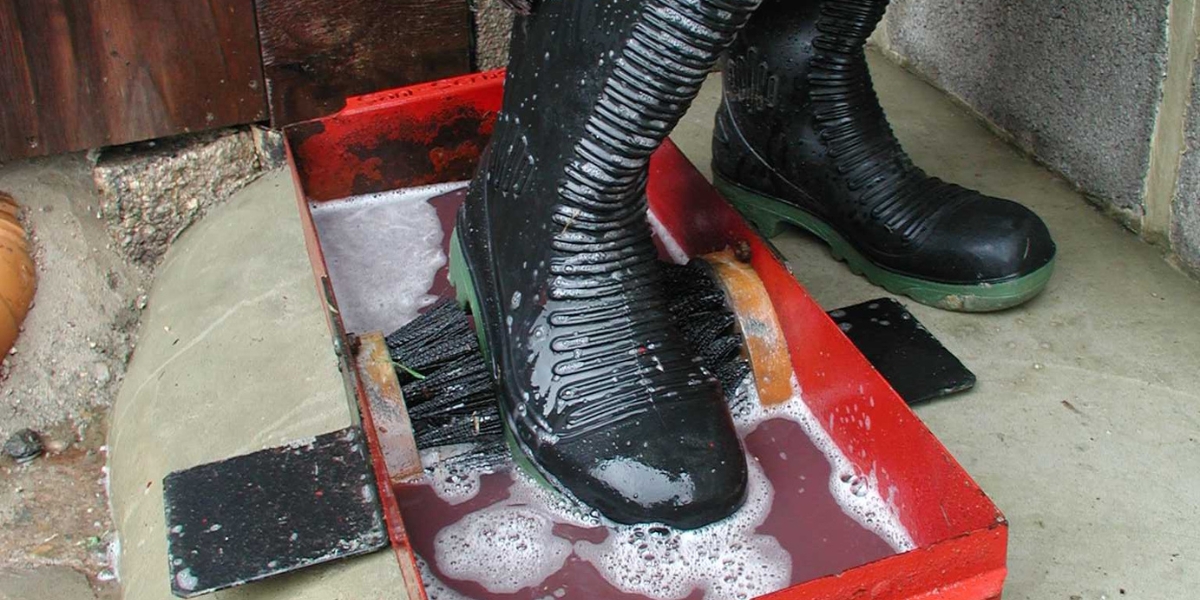
Across the UK, many shoots are already showing what good biosecurity looks like in practice. Below are a few examples:
Mark Baxter, full time loader, driver and shooting instructor
“I cover hundreds of miles visiting shoots across the UK. I am acutely aware of the risks posed by AI and ensure that all my equipment, clothing, footwear and vehicle is cleaned before I attend any shoot. These simple biosecurity measures are now part of my daily routine, which gives me the confidence that I am doing my bit to reduce the risk of spreading AI. Foot dips are becoming part of the shoot arrival ritual from Devon to North Yorkshire, and it is reassuring to see our community act responsibly.
I am from the North East, so I am more than aware the impact AI has had on restricting gamebird release on protected sites near me. It is something I take very seriously.”
Whetstone Pastures Shoot, Leicestershire
“We ensure that all attendees clean and disinfect their boots when arriving and leaving the shoot as part of our biosecurity measures. A list of all attendees is taken, so people can be contacted should an outbreak of AI happen on our estate.”
The Crogen Estate, North Wales
“The shoot manager at Crogen underscores the vital role of strong biosecurity practices in Wales. The estate follows rigorous protocols, such as mandatory foot dips for all staff and visitors and disinfecting vehicle wheels to minimise the risk of disease transmission. With AI capable of causing severe harm to both businesses and livelihoods, these preventive measures are essential. Protecting our communities is a shared responsibility, and every individual’s actions can make a meaningful difference.”
Farndale Estate, North Yorkshire
“We use a lot of biosecurity measures throughout the summer and early season, including foot dips and disinfection of vehicles while the birds are within or around the pens.
“On shoot days we have boot washers and foot dips. We tried vehicle matts, but they only last a few days before being destroyed. We request Guns ensure vehicles are clean and that they don’t come in muddy.
“We also ask all staff to dip boots on arrival and before they leave – everyone has been consistent in complying with our measures.”
The first step is just deciding to make biosecurity part of your routine. BASC’s guidance offers clear, practical advice for shoots of all sizes and our regional teams are always happy to provide support, including site visits, signage advice and help communicating expectations to visitors.
It is fantastic to see how many individuals and shoots across the UK are taking biosecurity seriously and together, we can continue to strengthen that good work.
Patrick O’Reilly discusses the government’s Living Heritage Lists and why we must ensure that shooting is recognised within them.
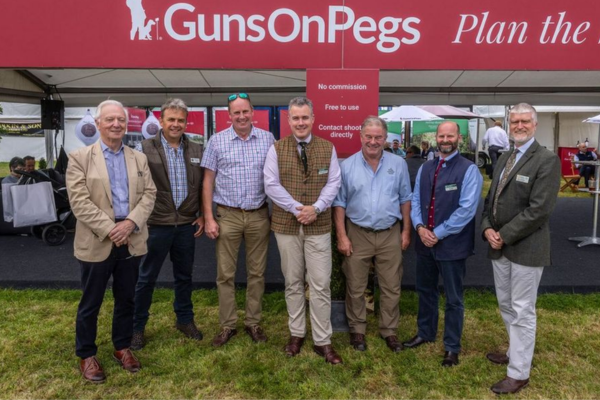
Twenty shoots who are members of the Greater Exmoor Shoots Association (GESA) have joined the Aim to Sustain Game Assurance Scheme.

Securing 100,000 signatures against proposals to merge shotgun and rifle licensing is a major milestone. As the petition moves to parliament, BASC explains what happens next.