






Kent shoot’s focus on conservation is making space for nature
Wide-ranging conservation work being carried out on a Kent shoot is set to become a case study for the county’s Local Nature Recovery Strategy.
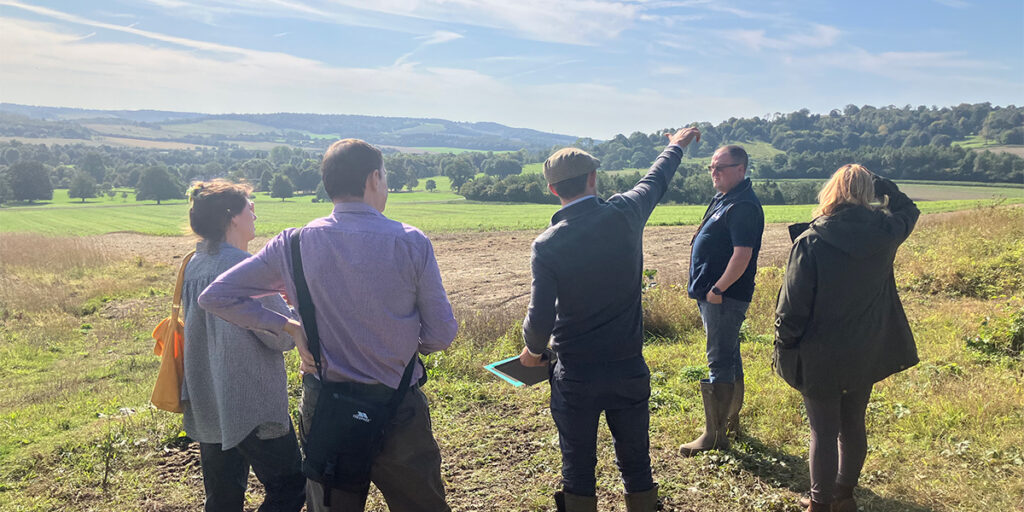
Godmersham Park Estate recently welcomed Kent County Council’s Making Space for Nature team members Chris Drake and Rachel Boot so they could see personally how shooting and conservation go hand in hand to “make space for nature”.
The invitation followed the consultation on the Local Nature Recovery Strategy (LNRS), to which BASC has responded. LNRS are plans developed with input from local people to prioritise action for habitat and species in their area. They produce a plan and an opportunity map to show where action will have most impact. Local authorities are required to produce LNRS under the Environment Act 2021. Taken together, they should create a nature recovery network and help government hit its legally binding environmental targets for England.
With more than 4,000 BASC members in Kent, it was an important opportunity to show policymakers what shooting contributes to the environment and conservation across the county.
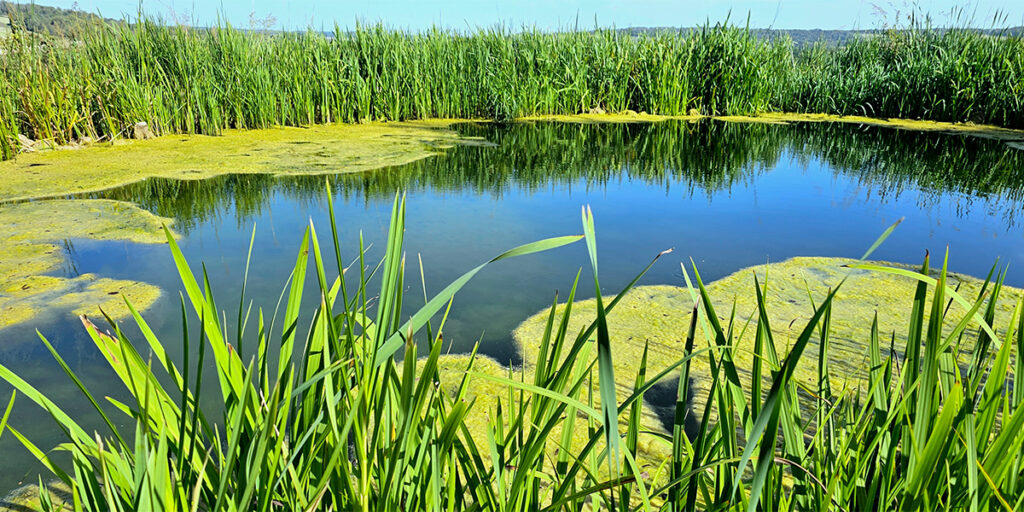
Estate manager Ben Palmer and gamekeeper Adam Horn gave an overview of the extensive conservation work carried out at Godmersham. The focus over the past ten years has been on four key areas: wetlands, woodland, chalk downland and margins / hedgerows. All dock neatly within Kent’s LNRS habitat priority groups. The aim is to maximise biodiversity without harming the character or overall profitability of the estate.
The estate took back in hand 50 acres of farmed land and entered it into a new higher-level countryside stewardship to address one its first of three priorities for action: to create nature-rich habitat. Changes were made to the way it manages 40 acres of grazing marsh to better suit breeding wading birds, especially lapwing that they hoped to entice to breed on the estate. And the management of 100 acres of downland banks was altered to improve its wildlife value.
The habitat creation was chosen carefully to provide the second of the estate’s priorities: to provide appropriate food for wildlife throughout the year wherever possible. The estate also specifically feeds wild birds over the year, especially in the ‘hungry gap’ between the end of winter and when spring food sources become available.
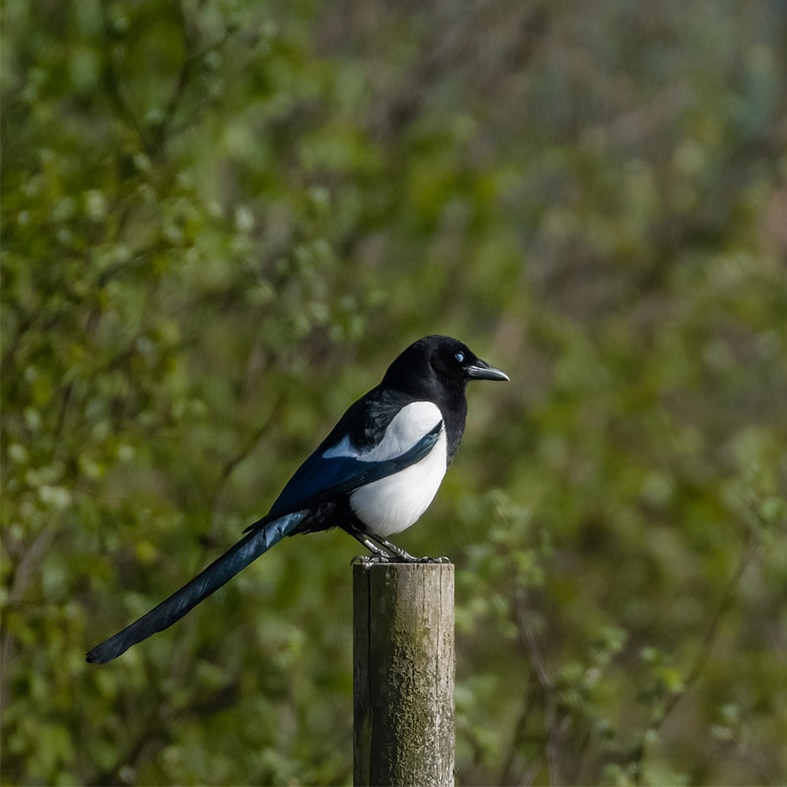
This left the final element of necessary wildlife management. The estate team uses a mixture of non-lethal and lethal methods. The entire estate was fenced to keep deer out as much as possible. The aim was to prevent serious damage to grassland and regenerating woodlands from excessive grazing and browsing, and to reduce the number of deer that would require culling. Humane lethal methods were used to control species like carrion crow, mink and fox to mitigate their predation of priority species. A similar approach was applied to grey squirrels to protect woodland.
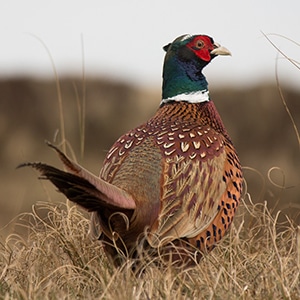
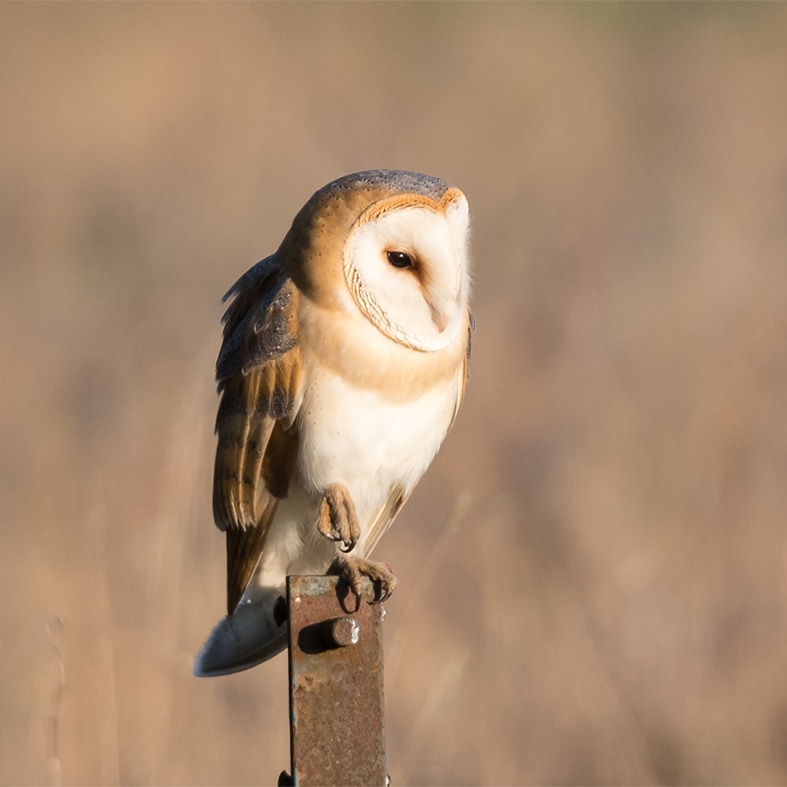
The impact of this combined habitat, food and wildlife management approach has been clearly demonstrated by the response of Godmersham Park’s flagship wildlife species. In these 10 years lapwing, barn owl and grey partridge all now have established breeding populations that are growing. Tree sparrow numbers are rising as well. The icing on the cake is that, in response to improving scrub and the quality of woodland understory, they now have three singing nightingales.
Through this visit, the Kent County Council team could see on the ground what BASC had communicated in its response: that the habitat creation and wildlife management that comes from sustainable shooting is an integral part effective nature recovery.
Chris Drake, Kent’s Making Space for Nature project officer, thanked BASC for contributing to the consultation on the LNRS. “It was important that a wide cross section of the land management sector were involved in shaping the Strategy,” he said.
“Following this, it was a pleasure to be invited to Godmersham Park Estate to meet Ben and Adam in September. They both clearly know the area intimately and have vastly improved the fortunes of wildlife there in recent years. The quality and range of the habitats and number of scarce species that are now thriving there was most impressive.”
Ben Palmer said: “It was a pleasure to host Chris and Rachel as they edge closer to finalising the Kent and Medway LNRS. We really enjoyed their enthusiasm and were delighted that they recognised the fundamental importance of the shoot in helping to deliver the biodiversity gains that we have achieved across the estate in recent years. We look forward to welcoming them back in the future.”
Felicity Winters, BASC Regional Officer, said: “I was delighted to facilitate this opportunity for the local nature recovery officers. The practical conservation work that estates like Godmersham Park undertake showcases how shooting can uplift habitat and species recovery.”
Share
< Back to case studies