




Conservation in action – Winter 2024
Read our winter update on BASC conservation projects, including how you can get involved.
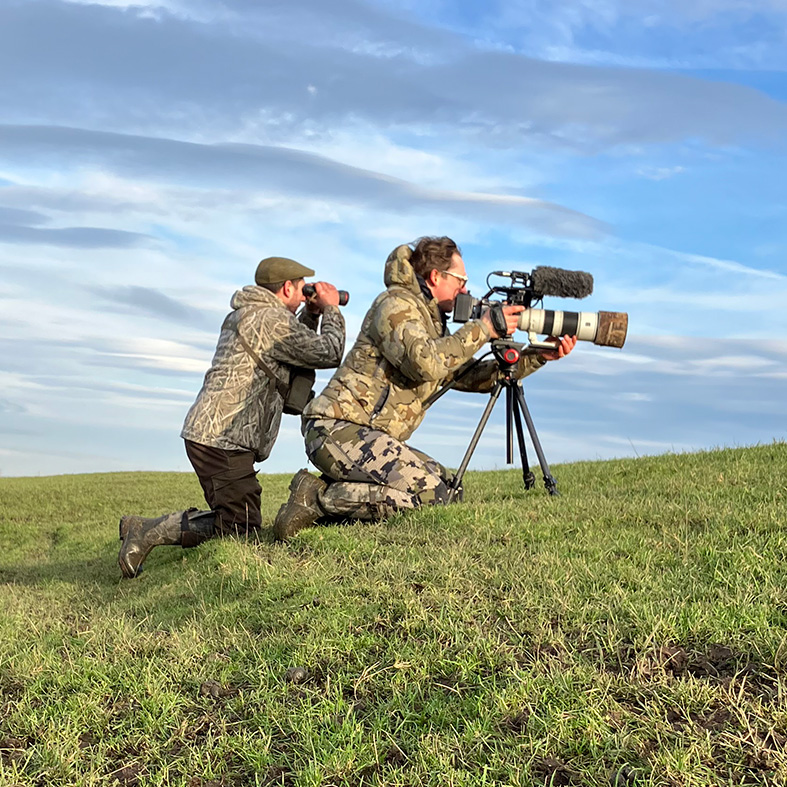
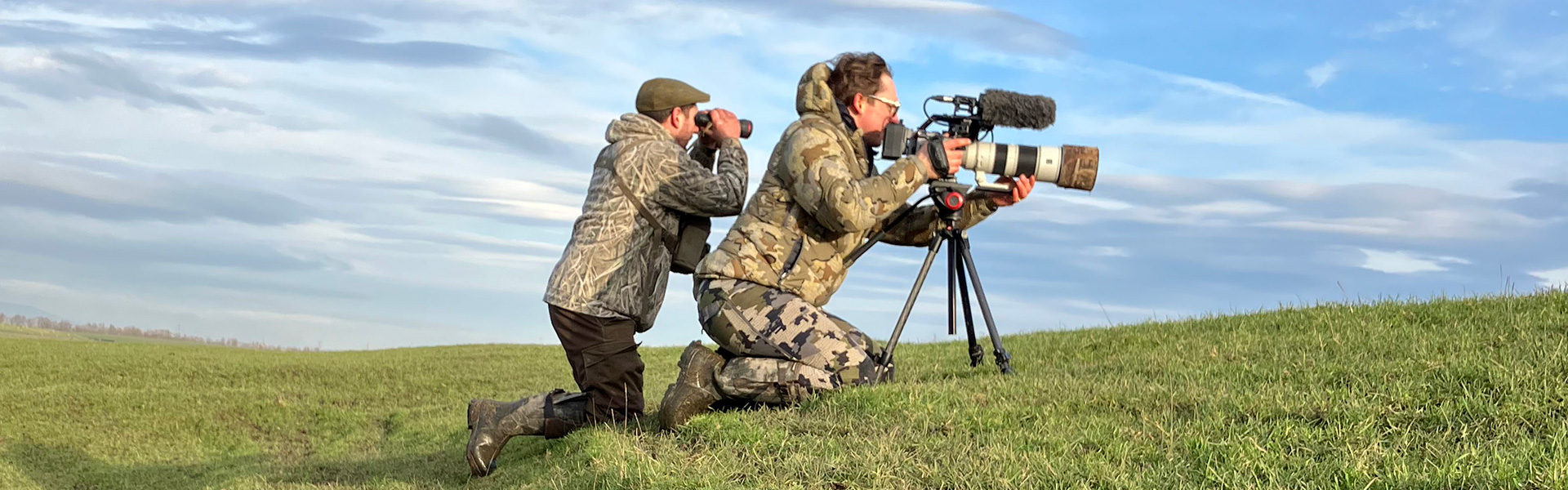
It takes a lot to test a wildfowler’s patience. Long tides, frozen fingers and empty skies all come with the territory. But by the twentieth take, Chris Kelly had had enough.
“How many times do you want me to pluck this bloody duck?” he asked Lewis, who is sprawled under the kitchen table. His top-of-the-range camera and expensive American camo are liberally coated in feathers, sweat, tears and a generous helping of Lancashire mud, in an effort to capture that perfect image of a single feather drifting gracefully to the floor.
This was day two of filming for a new documentary about wildfowling supported by BASC and produced jointly with The Origins Foundation.
The Origins Foundation is a global non-profit organisation dedicated to telling real stories about hunting and its role in supporting conservation and communities. Led by Dr Robbie Kroger, the team has travelled the world, talking with hunters, conservationists and community leaders, filming documentaries across Africa, America and Europe that highlight the cultural, economic and ecological value of hunting traditions.
Having cut their teeth in pristine wildernesses and sun-drenched savannahs, we felt it was time they took on a real challenge. The British wildfowler.
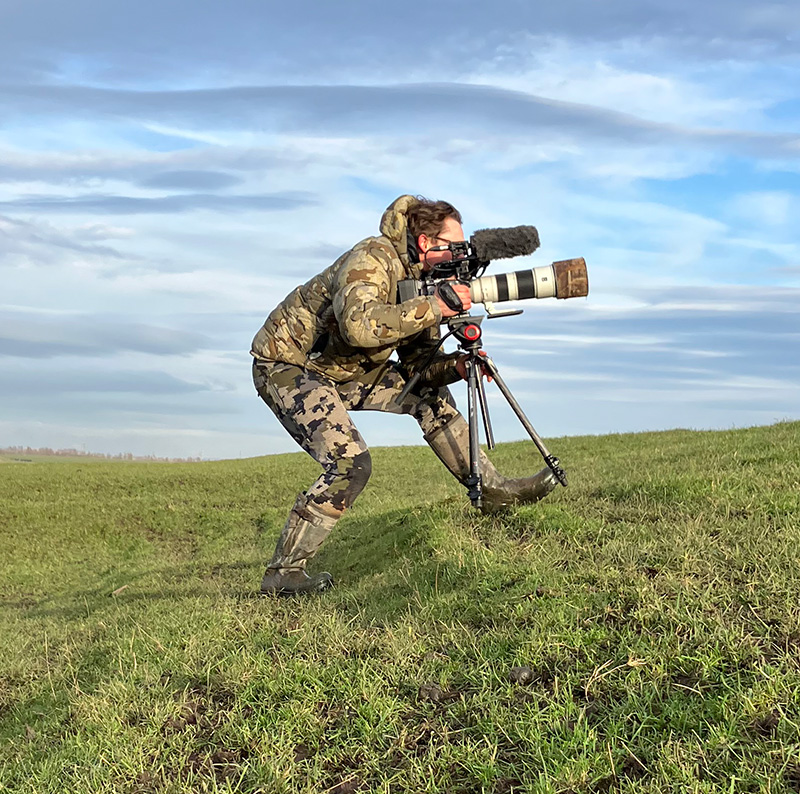 And so, Robbie was persuaded to leave behind the roulette wheels and blackjack tables of Las Vegas and come stand in a gutter on an English saltmarsh (we may not have told him too much about the weather).
We suggested the Ribble as a location for what we hope will be the first of a series of documentaries exploring different aspects of the UK’s shooting culture. Like so many of the UK’s estuaries, the Ribble is a place of contrasts where, besides patience, wildfowlers come to understand the vital importance of stewardship and conservation as cornerstones of a sustainable harvest. It is a landscape shaped by history and economics as well as nature. Where marsh and wildlife rub up against railways, canals and industrial architecture in the cradle of the Industrial Revolution.
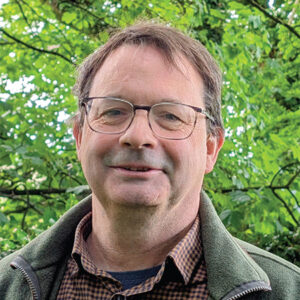
Read our winter update on BASC conservation projects, including how you can get involved.
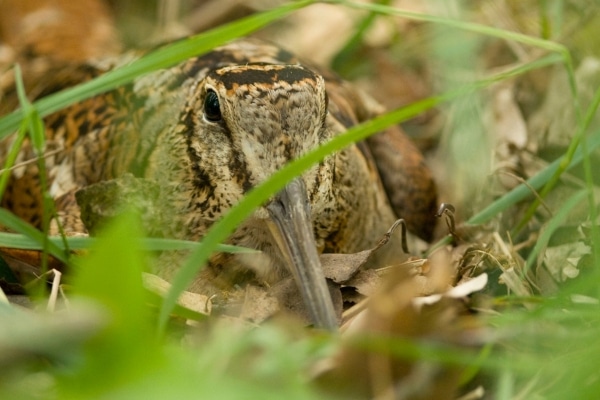
Heather Warrender reviews the latest research on woodcock, looking at the shooting community’s role in reversing the decline in the fortunes of this enigmatic wader.
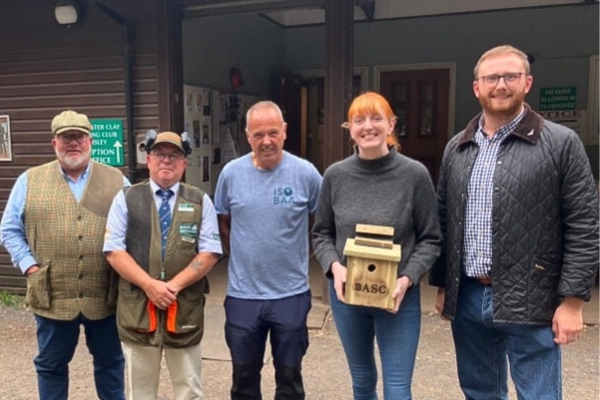
Charlotte Nichols MP visited Manchester Clay Shooting Club with BASC to see first-hand how shooting contributes to sport, conservation and rural economies.