



A field of cover crops

Biosecurity guidance for gamekeepers / shoot managers

Why biosecurity matters for gamebird rearing, release and on the shoot day

  • Good biosecurity helps protect biodiversity, uphold high standards of gamebird and wildlife management, and safeguard the long-term future of game shooting and the rural communities whose livelihoods are closely linked to them.
  • It should be part of the everyday routine for gamekeepers and shoot managers. Small, consistent practices vastly reduce the risk and help safeguard the health of released and wild gamebirds, and the wider environment.
  • In terms of gamebird rearing and releasing, the Animal Plant and Health Association (APHA) has identified that the most important factors in reducing the impact infectious diseases is good biosecurity, practised and applied properly.
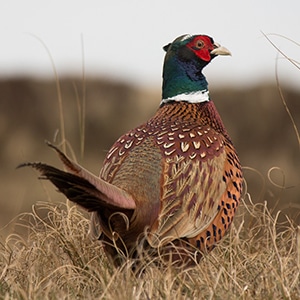
  • Gamebirds such as pheasants are especially vulnerable to diseases. Proper biosecurity is the most effective way to reduce risk.
  • Poor biosecurity can also enable invasive non-native species to establish and impact local ecosystems.

Key practices for gamekeepers & shoot managers

  • When moving between sensitive areas of the shoot e.g. occupied pens and rearing areas you should clean and disinfect footwear, clothing and equipment between each area.
  • Clean and disinfect all equipment (e.g., drinkers and feeders) used within pens/release areas before use.
  • Avoid moving equipment between sites. If unavoidable, thoroughly cleanse and disinfect it first.
  • Monitor water and feed sources both within the release pen and the wider shoot area to ensure they remain clean and uncontaminated.
  • Store feed securely to prevent access by pests and other species.
  • Keep records, and if there is suspicion of disease (especially notifiable ones like AI), follow official disposal protocols for dead or sick birds.
  • Ensure all shoot personnel (keepers, beaters, catering staff etc) adhere to biosecurity measures.
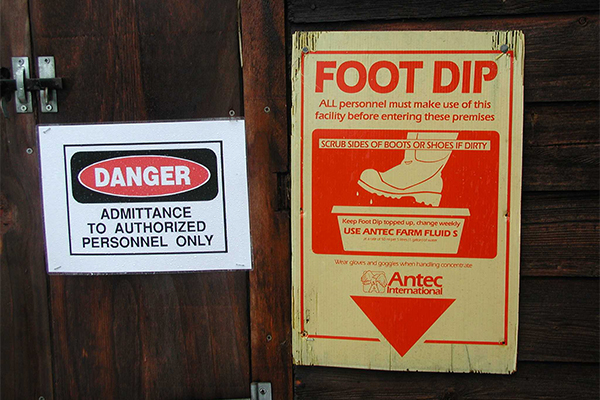
  • Provide visible, accessible biosecurity facilities to include approved foot dips, boot-brush stations, hand-washing facilities.
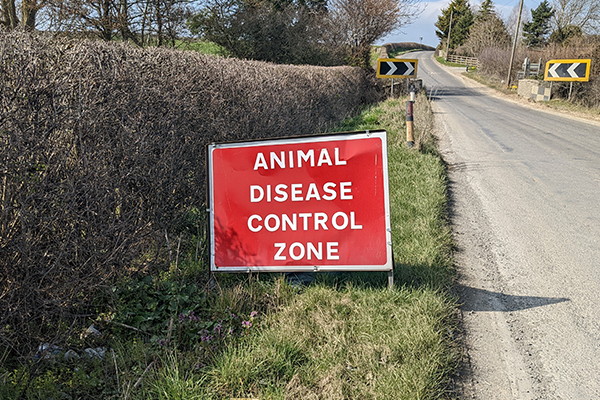
  • Display clear signage reinforcing routes, restricted areas and hygiene expectations.
  • In advance of shoot days, provide biosecurity guidance to guns and participants outlining what is expected of them. This should include:
    • Arriving with clean vehicle, clothing, boots and equipment
    • Following all on-site biosecurity instructions, signage and restricted-access areas
  • On morning of the shoot, as part of the shoot briefing, make sure all guns and participants understand that they must:
    • Use foot dips/boot cleaning stations on arrival, when moving between key areas and when departing.
    • Keep to designated routes.

Share

Privacy Overview

This website uses cookies so that we can provide you with the best user experience possible. Cookie information is stored in your browser and performs functions such as recognising you when you return to our website and helping our team to understand which sections of the website you find most interesting and useful.