
From gravel pit to wildlife haven: Will Garfit’s small shoot story
Artist and author Will Garfit tells how his small shoot turned 69 acres of gravel workings into a haven for 148 bird species and over 460 plants.


Get information on the legal shooting season for mammals and birds in the UK.

Apply for funding for your project or make a donation today

Comprehensive information and advice from our specialist firearms team.

Everything you need to know about shotgun, rifle and airgun ammunition.


Find our up-to-date information, advice and links to government resources.

Everything you need to know on firearms law and licensing.

All the latest news and advice on general licences and how they affect you.

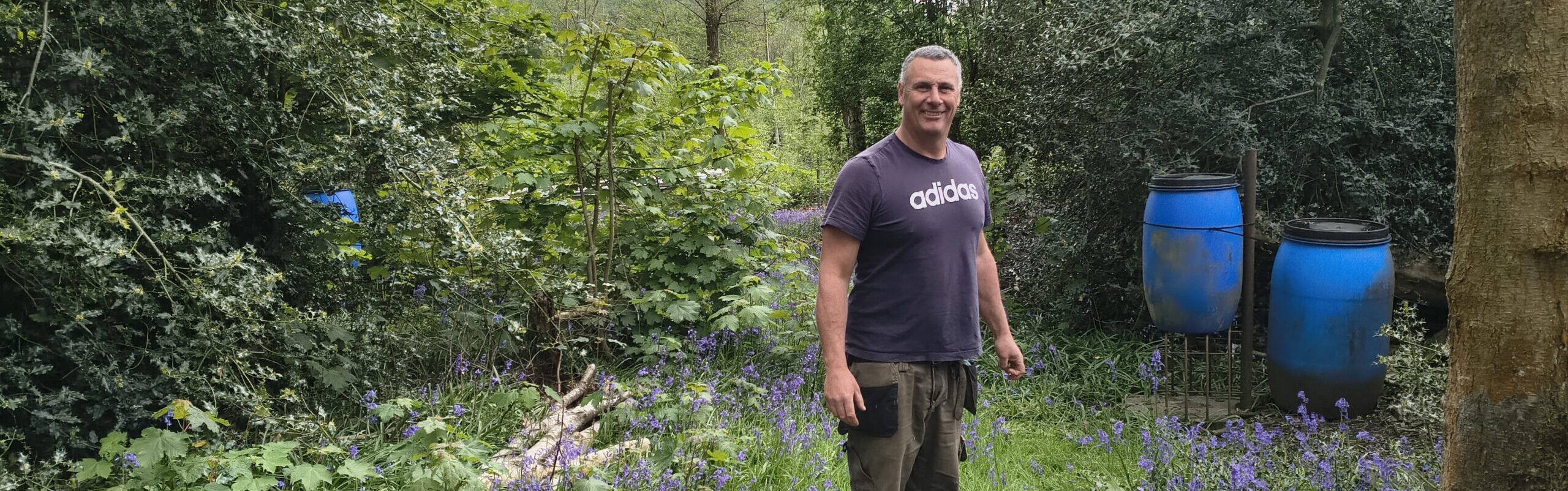
Jim Allsop is transforming Monkwood, a 270-acre site near Chesterfield, into a haven for wildlife. Through woodland management, habitat creation and the support of a dedicated local community, he has spent years improving the diversity of the landscape.
With Jim named a finalist in the Working Conservationist category of the Schöffel Countryside Awards for the second year running, we find out more about his work and ambitions for the future.
Congratulations, Jim, on being named a finalist in the Schöffel Countryside Awards. What does this recognition mean to you?
It’s a real privilege to be recognised for the work taking place at Monkwood. The aim has always been to improve the site for wildlife and create a range of habitats that support different species. To have that work acknowledged through the awards is very encouraging.
Tell us a little about Monkwood and how you became involved in its management.
I took on the management of Monkwood in 2015, having spent years there in my younger days shooting and beating. It was an opportunity to return to a place I knew well and put my own stamp on it, with a particular focus on improving the habitats and wildlife across the 270-acre site.
You’ve undertaken a huge amount of work to improve the woodland. What have been some of the key projects?
One important early development was securing a grant to build a logging track. That improved access and enabled us to remove areas of dense, uniform softwood plantation, with income from timber sales reinvested into conservation.
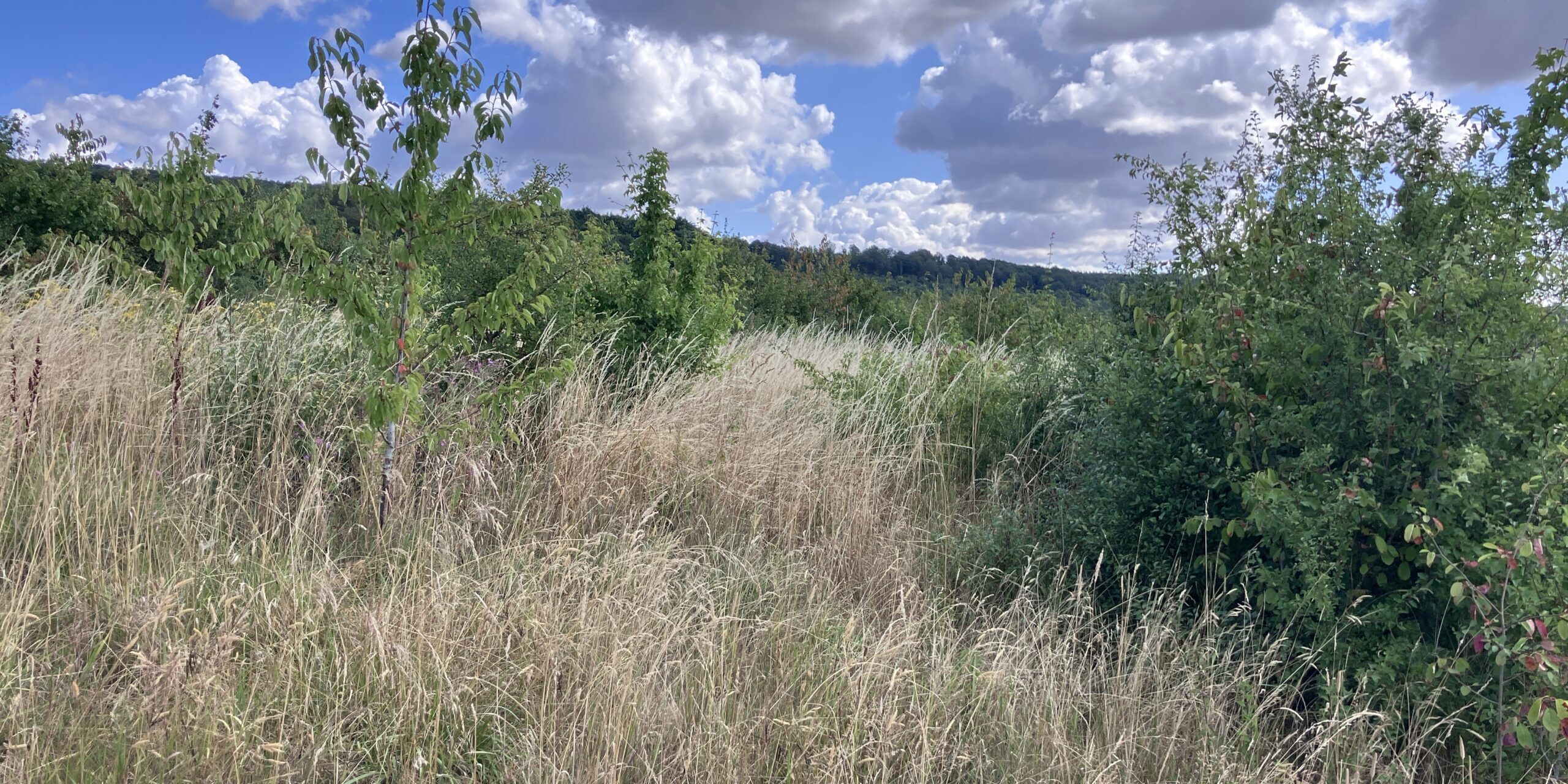
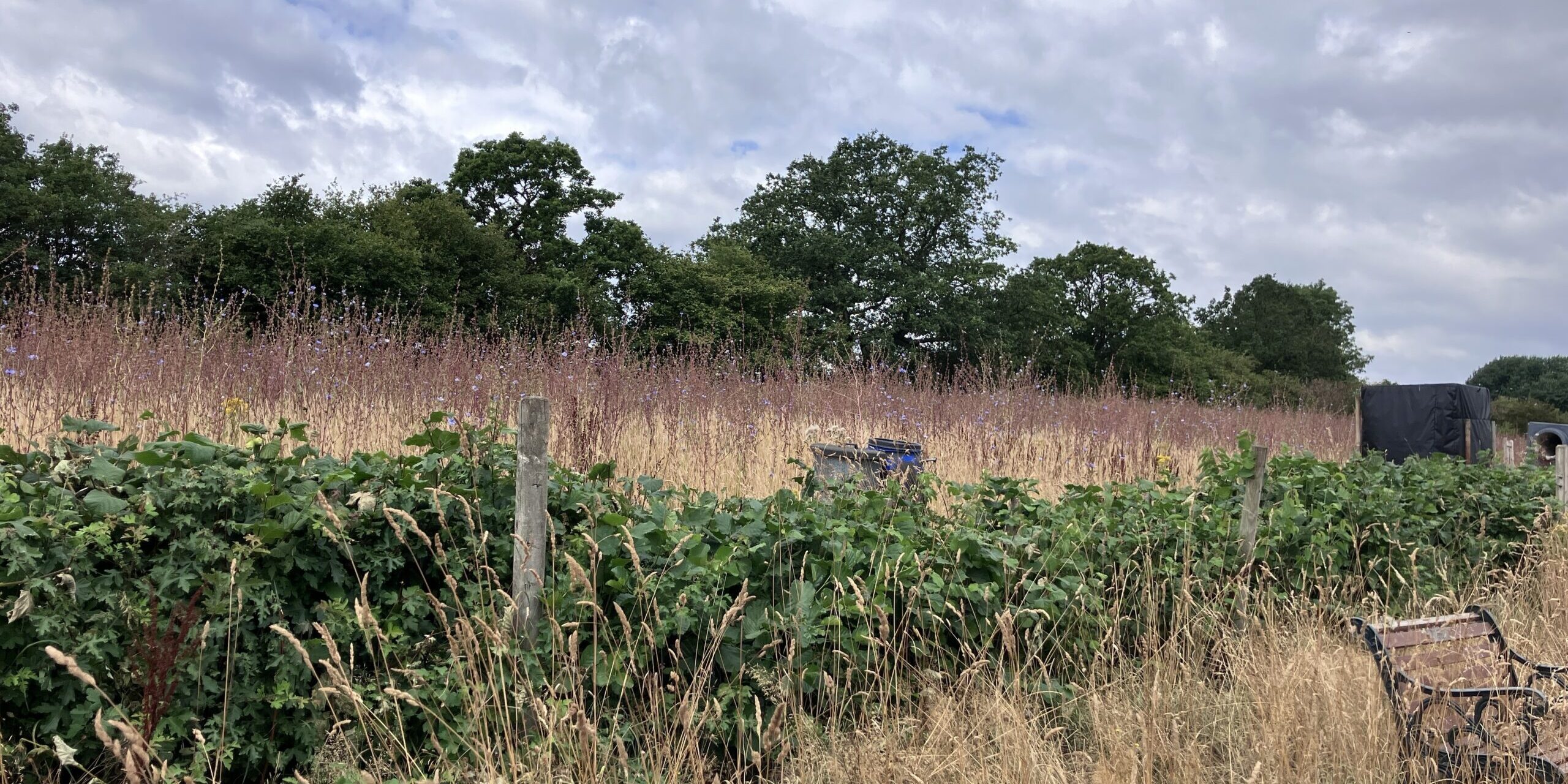
Since then, more than 50,000 native trees have been planted. We’ve also worked on rides and glades, laid hedgerows to connect habitats and retained standing and fallen deadwood, which provides valuable habitat for invertebrates, fungi and birds.
Water has also played a significant role in your conservation work. Can you tell us more about that?
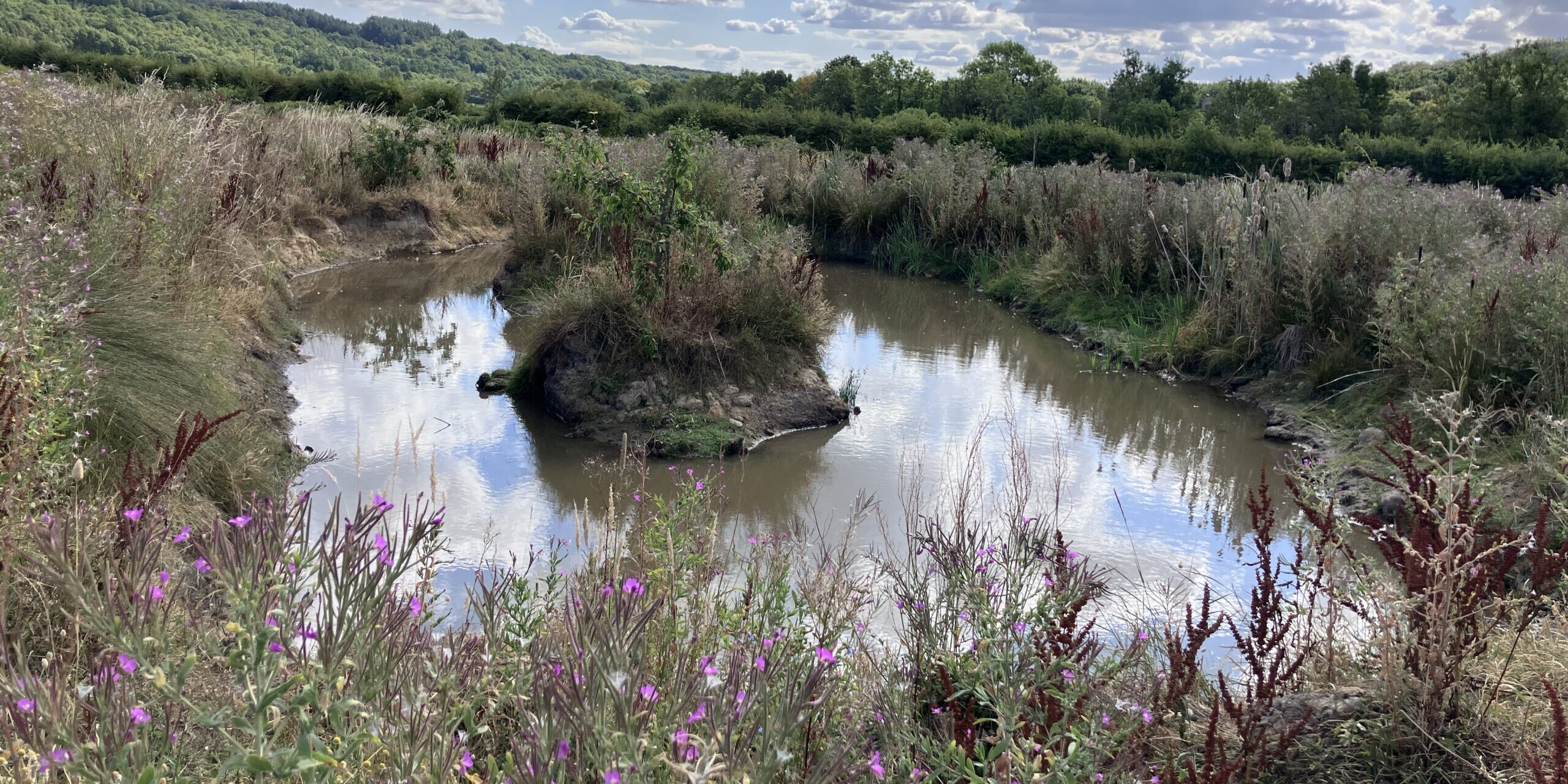
In 2018, I bought my own digger and began creating ponds, scrapes and dykes. There are now 35 across the site, providing additional habitats for wildlife, including amphibians, insects and bats. One of the rewarding things about this work is that a relatively small project can create new opportunities for wildlife in a short space of time.
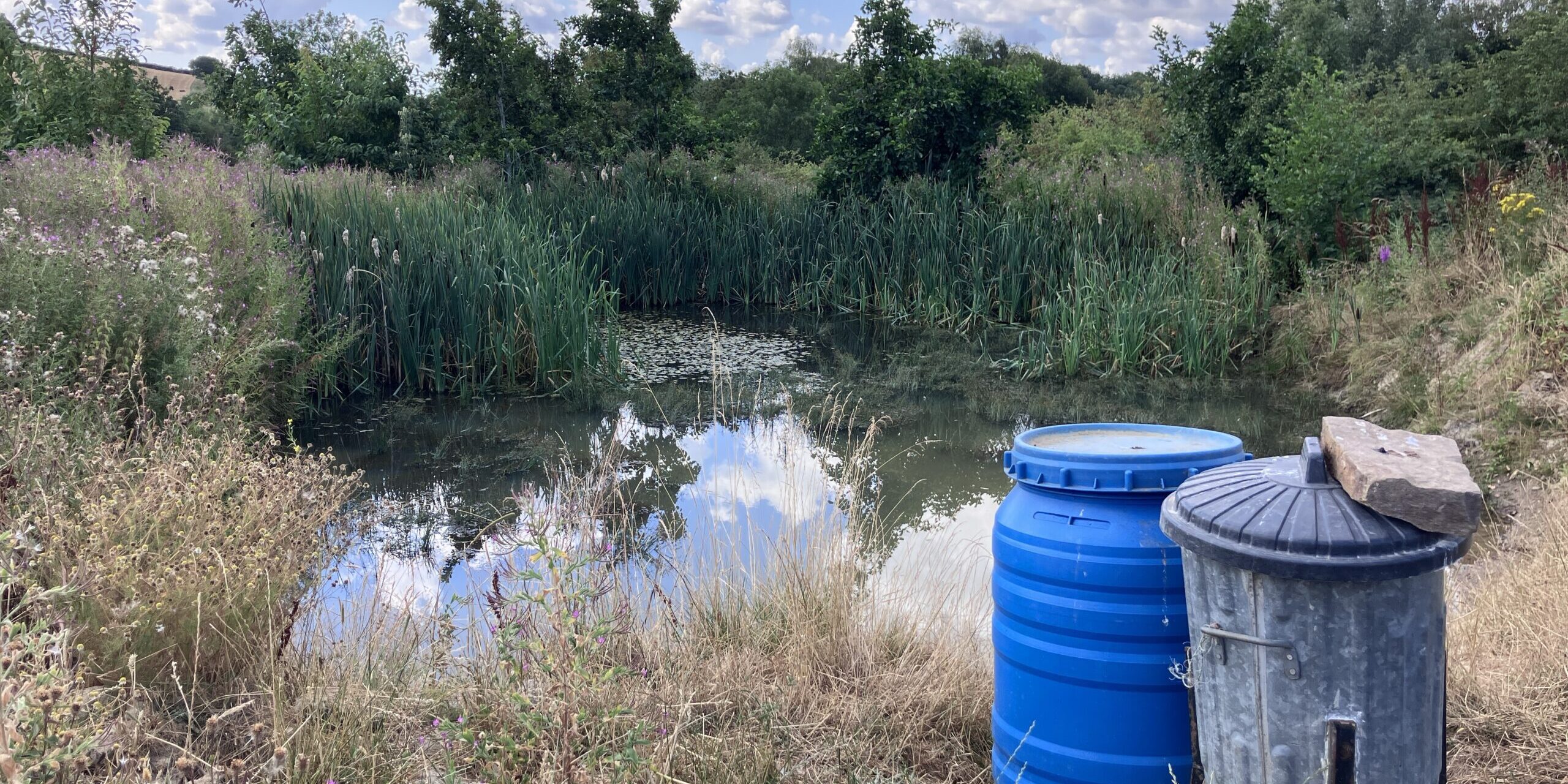
Monkwood is also home to wildflower meadows and a variety of other habitats. What wildlife benefits have you seen?
The site includes around 70 acres of wildflower meadows, which come alive in early summer with orchids and yellow rattle, alongside bees, butterflies and moths. Combined with the woodland, hedgerows, ponds and other habitat improvements, the aim is to create a diverse landscape that supports a wide range of species.
Last year, I was also fortunate to receive a BASC Wildlife Fund award to formally establish a baseline for bird and insect populations across the shoot. This will help us better understand the wildlife present and measure the impact of our conservation work over time.
GWCT surveyed just over two thirds of the site. No habitat was assessed as being in poor condition, with large areas achieving good condition status.
GWCT described Monkwood as an ‘exemplar’ shoot for farmland and woodland birds and concluded that its management is delivering a net gain for biodiversity. It has recommended a further year of surveys, as a single year of data can be skewed by factors such as this summer’s drought.
You’ve spoken about the importance of involving other people in the project. How important has that community support been?
The support of local people has been a huge part of what we’ve achieved. People from all sorts of backgrounds have helped with activities ranging from tree planting and making bird boxes to other practical conservation work. It’s important to share what we’re doing, welcome people to the site and encourage others to get involved.
What would you say to someone who wants to make a difference to wildlife in their own area?
Start by getting involved and making practical improvements where you can. Conservation doesn’t always have to mean large-scale projects; creating habitats, planting trees and working with others can all make a difference. Sharing ideas and encouraging people to take an interest in their local environment is important, too.
Finally, what’s next for you and Monkwood?
The focus remains on continuing the work already underway, improving habitats and supporting wildlife across the site. There’s always something more that can be done, and I want to keep building on what has been achieved so far.
We wish Jim every success at the Schöffel Countryside Awards 2026 and look forward to seeing how his conservation work at Monkwood continues to develop.

Artist and author Will Garfit tells how his small shoot turned 69 acres of gravel workings into a haven for 148 bird species and over 460 plants.

The government’s review of game shooting closes on 1 November. One email is all it takes. If you haven’t sent yours yet, today is the day to act, says Conor O’Gorman.

Take part in the National Rodent Survey and be entered into a prize draw for a £50 voucher.