




Shooting firsts
Guest blogger Gethin Jones tells of the challenges that have preceded some of his most memorable shooting firsts.
Get information on the legal shooting season for mammals and birds in the UK.
Apply for funding for your project or make a donation today
Comprehensive information and advice from our specialist firearms team.
Everything you need to know about shotgun, rifle and airgun ammunition.
Find our up-to-date information, advice and links to government resources.
Everything you need to know on firearms law and licensing.
All the latest news and advice on general licences and how they affect you.
Each year, we draw a prize winner for the Duck Nest Monitoring Project to recognise and encourage the efforts of our members in supporting wild duck populations.
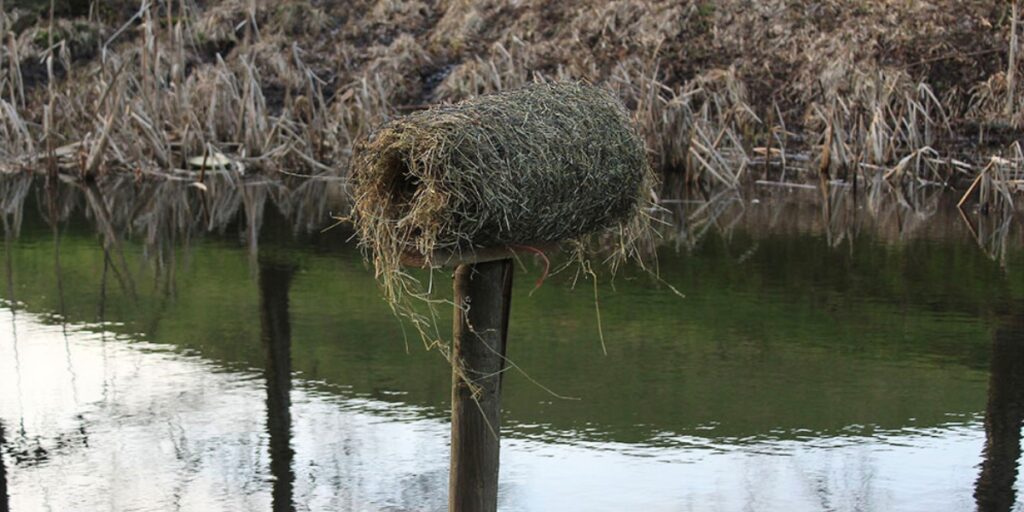
Duck nest monitoring is a citizen-science conservation project led by the Waterfowlers’ Network designed to support wild duck populations, primarily mallards.
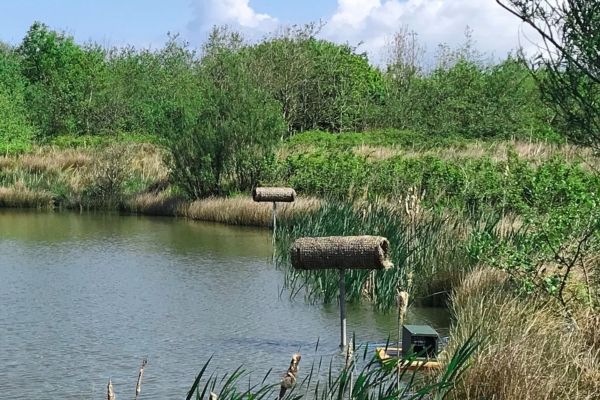
The BASC arm of the project works with volunteers to install raised nest tubes or boxes and track breeding success over time. These artificial nesting structures help protect eggs and ducklings by raising nests off the ground and shielding them from predators, livestock disturbance and other threats. Early results show that duck nest tubes can raise hatching success rates to as much as 90 per cent.
Recording nest occupancy, brood sizes and habitat conditions provides essential data that informs local and national conservation efforts, helping ensure sustainable wildfowling for future generations.
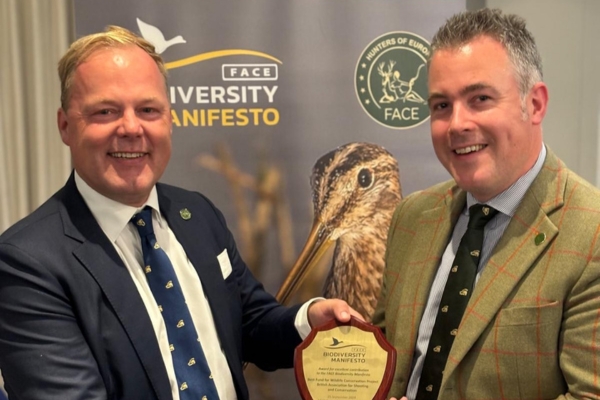
This year’s duck nest monitoring prize winner is Mr West of Kings Lynn, who is the wildlife conservation officer for the Kings Lynn and West Norfolk Wildfowlers Association.
Over the past three years, the association has been actively installing and monitoring duck nest tubes, as well as bird and owl boxes, with great success.
Their observations, among many others, contributed valuable data and insights into nesting behaviour and breeding success, helping to inform conservation work locally and beyond.
On receiving the prize, a ZEISS Secacam 3, Mr West said: “I am surprised and delighted to accept this prize on behalf of the Kings Lynn and West Norfolk Wildfowlers Association. It will be put to great use monitoring our duck nest tubes and nest box sites.”
While trail cameras are not formally part of the duck nest tube project, we encourage anyone monitoring nests to consider using them. They offer minimal disturbance to nesting birds and can provide a deeper insight into behaviour and success rates. If you already use trail cameras or plan to, we’re always keen to hear what you find.
For more information on the duck nest monitoring project, visit our dedicated page here.

Guest blogger Gethin Jones tells of the challenges that have preceded some of his most memorable shooting firsts.

Natural England’s hen harrier brood management scheme continues to play a key role in hen harrier recovery in England.

Find out how to spot the signs of rice breast disease in ducks, and read our advice on what to do next and how to report it.