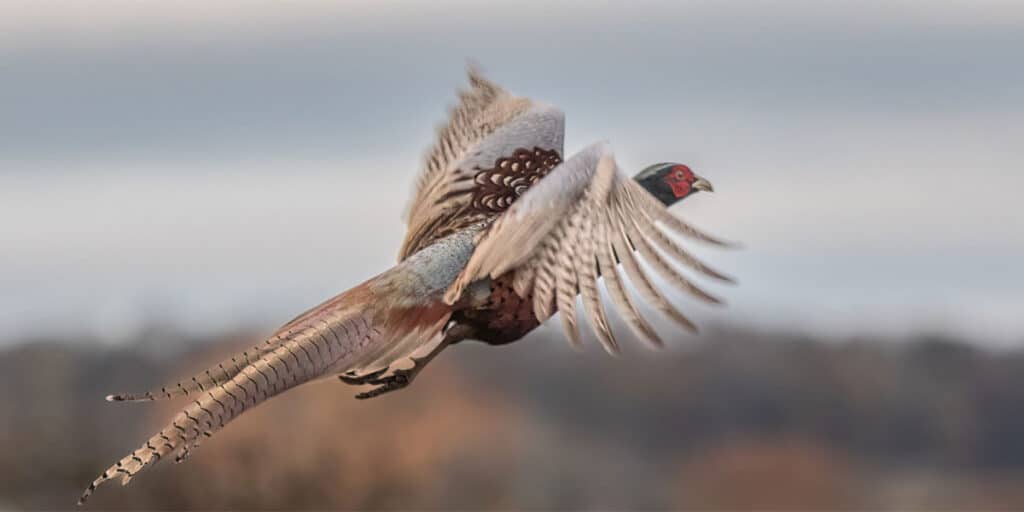
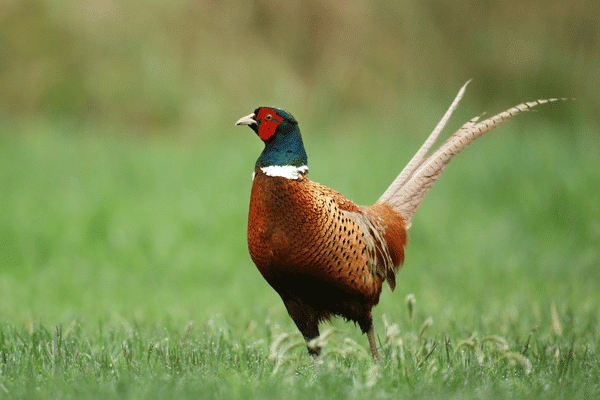
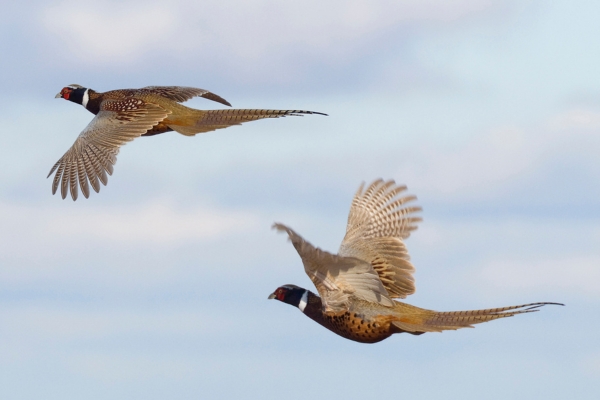
BASC has called on Defra to rethink proposals that could introduce additional licensing requirements for gamebird release and shooting in England, warning that further regulation risks undermining vital conservation work already delivered by the sector.
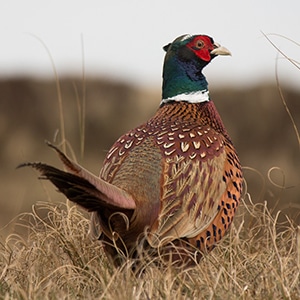
The call follows the launch of England’s first Land Use Framework, which sets out how land will be managed to support long-term national resilience. As part of this, Defra has said it will explore wider measures, including potential licensing for recreational gamebird shooting and release beyond existing rules near protected sites.
Defra will likely launch a call for evidence and public consultation on its proposals.
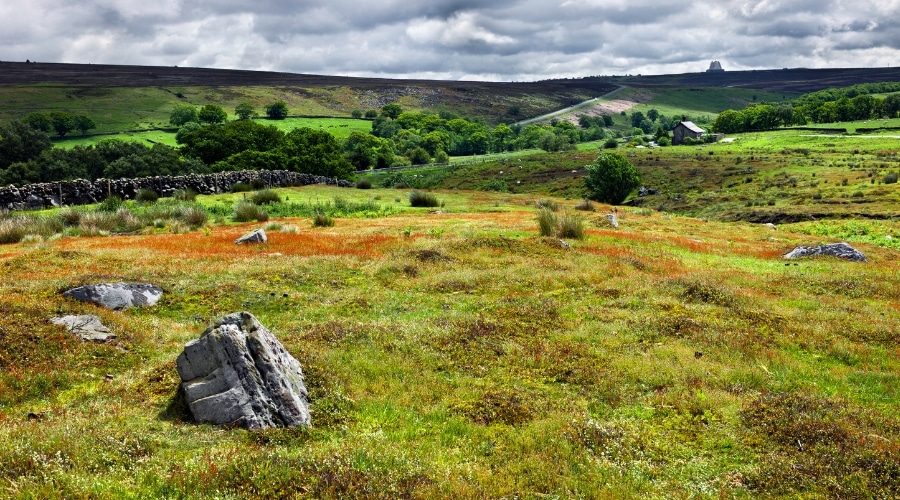
BASC says shooting already plays a significant role in nature recovery, delivering the equivalent of £500 million in conservation work each year, supporting 26,000 full-time jobs and contributing 14 million workdays. In addition, habitat management associated with shooting takes place across 7.6 million hectares of land in the UK.
Dr Matt Ellis, BASC’s executive director of conservation, said:
“Sustainable shooting is already making a major contribution to conservation and rural livelihoods across the UK. Imposing additional layers of licensing risks adding cost and complexity without delivering better environmental outcomes.
“If Defra launches a call for evidence, BASC will support shoots across England to demonstrate the real-world conservation benefits they deliver through practical case studies.”
He added: “Existing licensing arrangements around protected sites are already challenging for many to navigate. The priority should be improving what is in place so it works effectively, rather than introducing further regulation that could create confusion and unintended consequences.”
BASC previously responded to Defra’s earlier stakeholder consultation on the Land Use Framework, highlighting that sustainable shooting supports environmental, social and economic outcomes on a landscape scale, largely funded by the private sector.
The organisation is urging government to recognise and build on these contributions by working with land managers, shoots and conservation practitioners, rather than adding regulatory burdens that could limit their impact.
Dr Ellis added: “Government should be looking to harness the expertise, investment and commitment already present within the shooting community to help deliver nature recovery.
“We will robustly challenge any proposals that threaten the future of sustainable shooting and the conservation benefits it delivers.”