Welsh snares ban disastrous for threatened wildlife
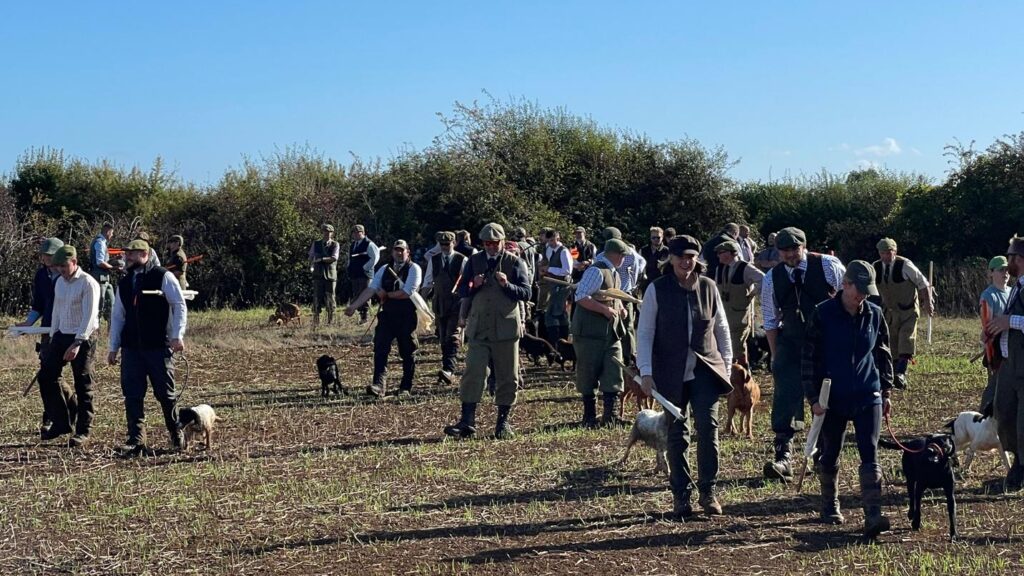
The future of Wales’ most threatened species has been put at significant risk, after a ban on all snares was taken forward by the Welsh Government this week.
Get information on the legal shooting season for mammals and birds in the UK.
Apply for funding for your project or make a donation today
Comprehensive information and advice from our specialist firearms team.
Everything you need to know about shotgun, rifle and airgun ammunition.
Find our up-to-date information, advice and links to government resources.
Everything you need to know on firearms law and licensing.
All the latest news and advice on general licences and how they affect you.
A £20,000 grant from the BASC Wildlife Fund is helping the Waterlife Recovery Trust (WRT) pave the way to a mink-free Kent, a county which previously had one of the highest densities of invasive American mink in Britain.
The grant is funding smart mink rafts and equipment for the Reclaiming Kent’s Waterways project, which is working to deliver a 90 per cent reduction in the county’s mink population within two years, as part of WRT’s wider Waterlife Recovery Southeast initiative to clear the species from Kent to Hampshire.
American mink, introduced to the UK through the fur trade, have had a devastating impact on native wildlife since becoming established in the countryside. Their most notable victim is the water vole, now the UK’s fastest-declining mammal, but mink also prey on ground-nesting birds such as snipe, lapwing and waterfowl, as well as kingfishers and sand martins.
The Kent project is building on a pioneering trial in East Anglia, where WRT’s network of volunteers and smart trap technology achieved a 70 per cent year-on-year reduction in mink numbers, leading to the species’ complete removal from Norfolk, Suffolk and East Cambridgeshire, an area of more than 11,000 square km. Smart traps alert volunteer trap managers by text and email the moment they are triggered, allowing a swift response and ensuring no harm to non-target species.
WRT says it has encountered more enthusiasm and offers of help for a mink eradication operation in Kent than in any other county, and that the grant is helping to equip the volunteer network needed to make a mink-free Kent a reality.
Michelle Nudds, BASC’s South East regional director, said: “This grant is a great example of what the BASC Wildlife Fund exists to do: backing projects with a proven track record and a clear, measurable conservation benefit. WRT’s smart trap technology has already shown it can deliver mink-free landscapes at scale in East Anglia, and the appetite from landowners and volunteers across Kent shows just how much support there is for this work on the ground. We’re looking forward to seeing the results.”
Ali Horn, WRT’s Kent project officer, said: “It’s been great to have extra equipment funded by the BASC Wildlife Fund to cover areas of the county where sightings of mink had been reported but where we didn’t yet have traps. The grant allowed us to purchase 56 smart traps, rafts and other essential equipment, which will ultimately free 672 square km of Kent of invasive American mink. The traps have already been busy.”
Stephanie Strutt, WRT’s grants fundraiser, said: “As well as enabling WRT to purchase vital equipment, the grant has helped inspire the confidence of other donors to fund the final pieces of the trap network in Kent and to cover some of our essential staffing costs. The goal of a mink-free Kent is now well within our sights.”
The grant forms part of a wider funding package for the project’s first two years, with WRT and other funders covering staffing and remaining equipment costs. Kent is seen as a strategically important county for eradication efforts. Its coastline limits future mink immigration once nearby counties, including the High Weald, are also cleared.
Find out more about how you can get support from the BASC Wildlife Fund or donate here.

The future of Wales’ most threatened species has been put at significant risk, after a ban on all snares was taken forward by the Welsh Government this week.

Wide-ranging conservation work being carried out on a Kent shoot is set to become a case study for the county’s Local Nature Recovery Strategy.

BASC has committed to contributing £75,000 towards Natural England’s hen harrier recovery work over the next three years.