





BASC secures amendments and keeps pressure on as mandatory training passes in Natural Environment Bill

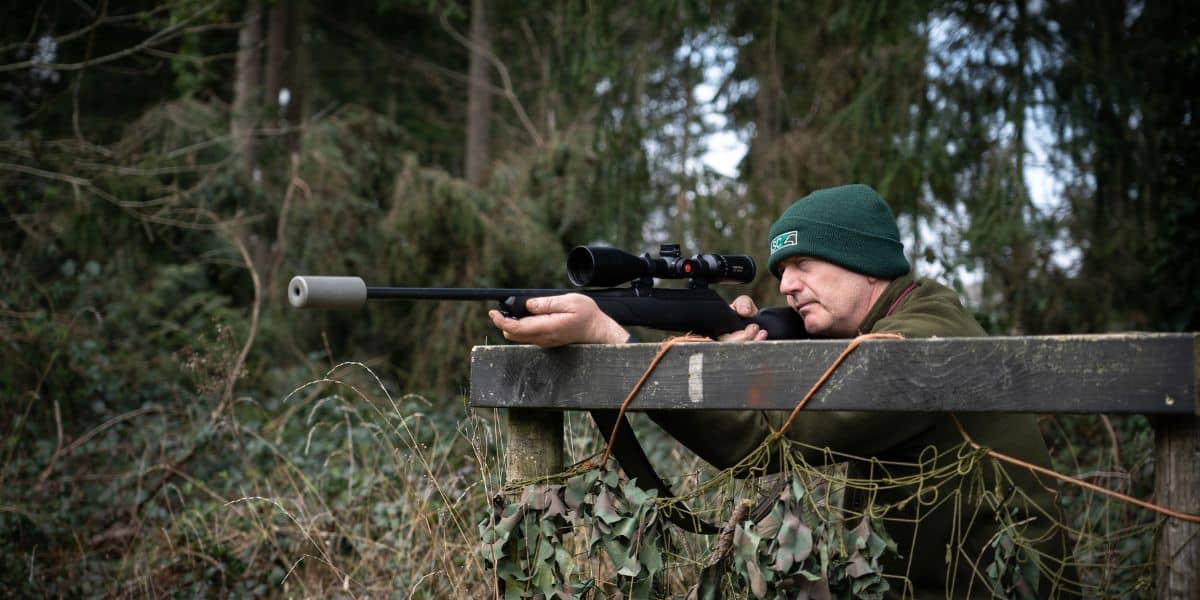
deer stalker

Following the Scottish Parliament’s final Stage 3 debate on the Natural Environment Bill, BASC has secured a series of important amendments following sustained engagement with MSPs, while warning that the passing of mandatory deer training remained a significant concern.

BASC welcomed a ministerial commitment from Jim Fairlie MSP to engage directly with the deer sector before implementation, following sustained pressure from BASC, stressing that the absence of timescales and clarity on grandfather rights meant the issue was far from resolved.

BASC was the only major organisation to consistently champion a self-regulatory approach, reflecting the high standards of deer management already demonstrated by its members.

During the Stage 3 debate, Edward Mountain MSP, drawing on decades of experience in deer management, set out detailed concerns about the Scottish Government’s proposals, questioning their evidential basis and practical impact on those managing deer on the ground.

BASC worked closely with MSPs throughout Stage 3 to challenge the introduction of mandatory training, as the only deer organisation championing self-regulation, warning that a one-size-fits-all approach risked overlooking existing professional standards and long-established best practice within the sector.

BASC also secured a series of important amendments to the bill through sustained engagement with MSPs.

  • On intervention powers, the presumption in favour of NatureScot using its deer management intervention powers was removed.
  • On venison, there will be a new venison plan linked to deer management, which introduce financial incentives and the promotion of venison.
  • On grouse moor licensing, BASC secured technical amendments aimed at improving the workability and effectiveness of the licensing process for applicant, ensuring vital safeguards.
  • On muirburn, following BASC stage 2 amendments, the sector secured amendment which removes the assumption that other vegetation control methods must be tried before muirburn, a key ask of BASC at the Ministerial Wildfire Summit in Grantown.
  • After significant lobbying, proposals to introduce restrictions on gamebird release were off the voting sheet at Stage 3, and we thank the Scottish Government for listening to our economic and natural capital evidence on this issue.

Policy decisions made without evidence

Following the announcement that the Scottish Government intends to end small business sporting rates relief, amendments were debated in which the Minister placed on record acknowledgement of BASC’s work with MSPs and committed to working with the sector on the issue.

BASC’s Scotland director Peter Clark said: “The decision to impose mandatory training on deer managers and stalkers in Scotland is yet another example of where a policy decision has been taken in the absence of any evidence to support it.

“Following our pressure over many months, the Minister has committed to engage directly and consult with the deer sector before implementation. That engagement must be meaningful, particularly given the unresolved questions around timescales, grandfather rights and the cost of training.

“Through our work with MSPs, we saw changes to muirburn and grouse shoot licensing, as well as venison plans, all of which was welcomed.

“We were glad the Minister acknowledges the concerns around the sporting rates relief issue and is willing to engage with us specifically, however we still await vital clarification of exactly who is impacted by the relief change.

“On gamebird release, our lobbying ensured that common sense has prevailed. There was a real risk that valuable land management and wildlife management activity would be undermined by proposals driven by greenwashing rather than evidence.”

Share

Privacy Overview

This website uses cookies so that we can provide you with the best user experience possible. Cookie information is stored in your browser and performs functions such as recognising you when you return to our website and helping our team to understand which sections of the website you find most interesting and useful.