
Hunting with Dogs Bill “unworkable”, BASC tells Stormont committee
BASC has told the AERA Committee that the Hunting with Dogs Bill is unworkable due to its implications for firearms holders, dog owners and landowners.


Get information on the legal shooting season for mammals and birds in the UK.

Apply for funding for your project or make a donation today

Comprehensive information and advice from our specialist firearms team.

Everything you need to know about shotgun, rifle and airgun ammunition.


Find our up-to-date information, advice and links to government resources.

Everything you need to know on firearms law and licensing.

All the latest news and advice on general licences and how they affect you.

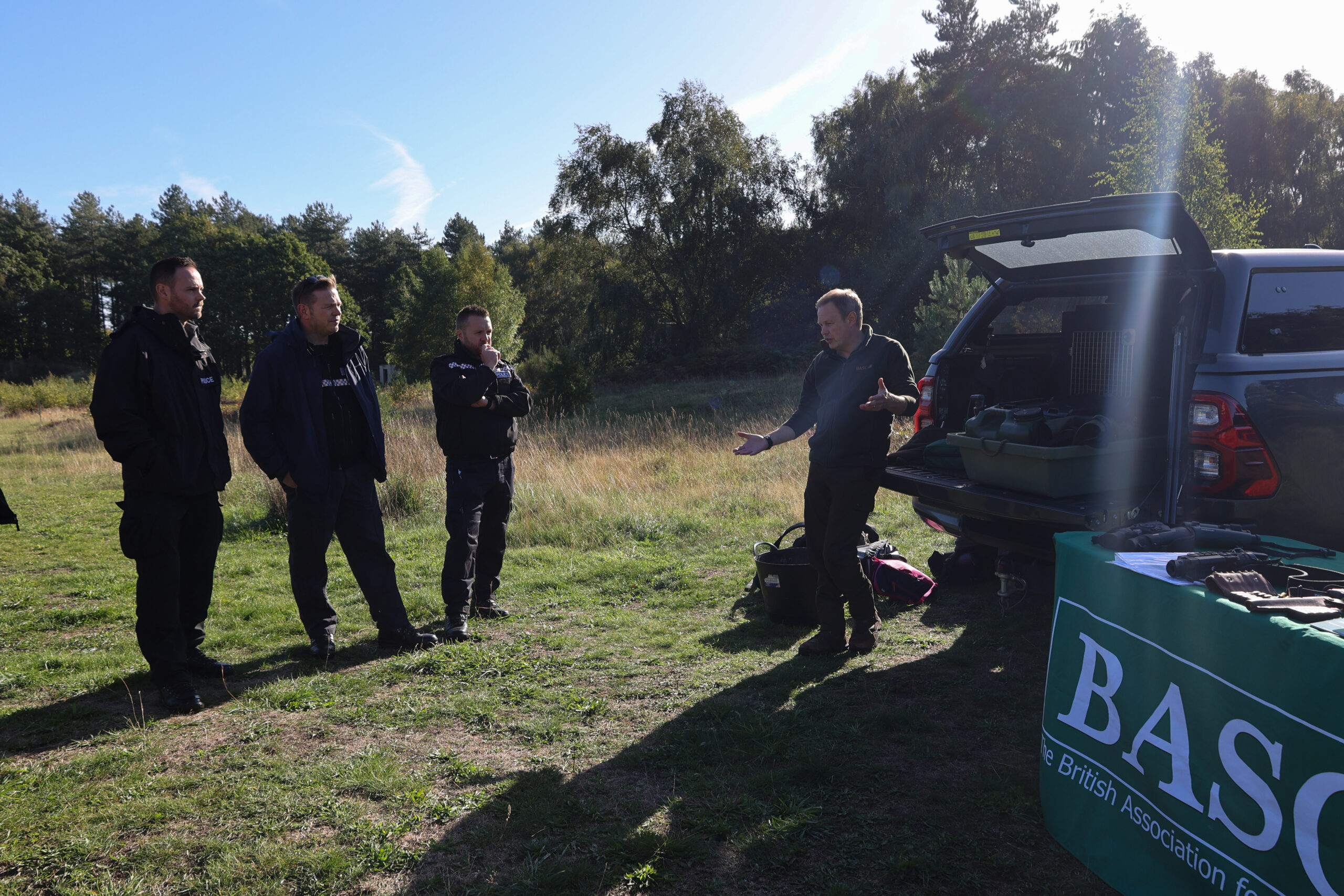
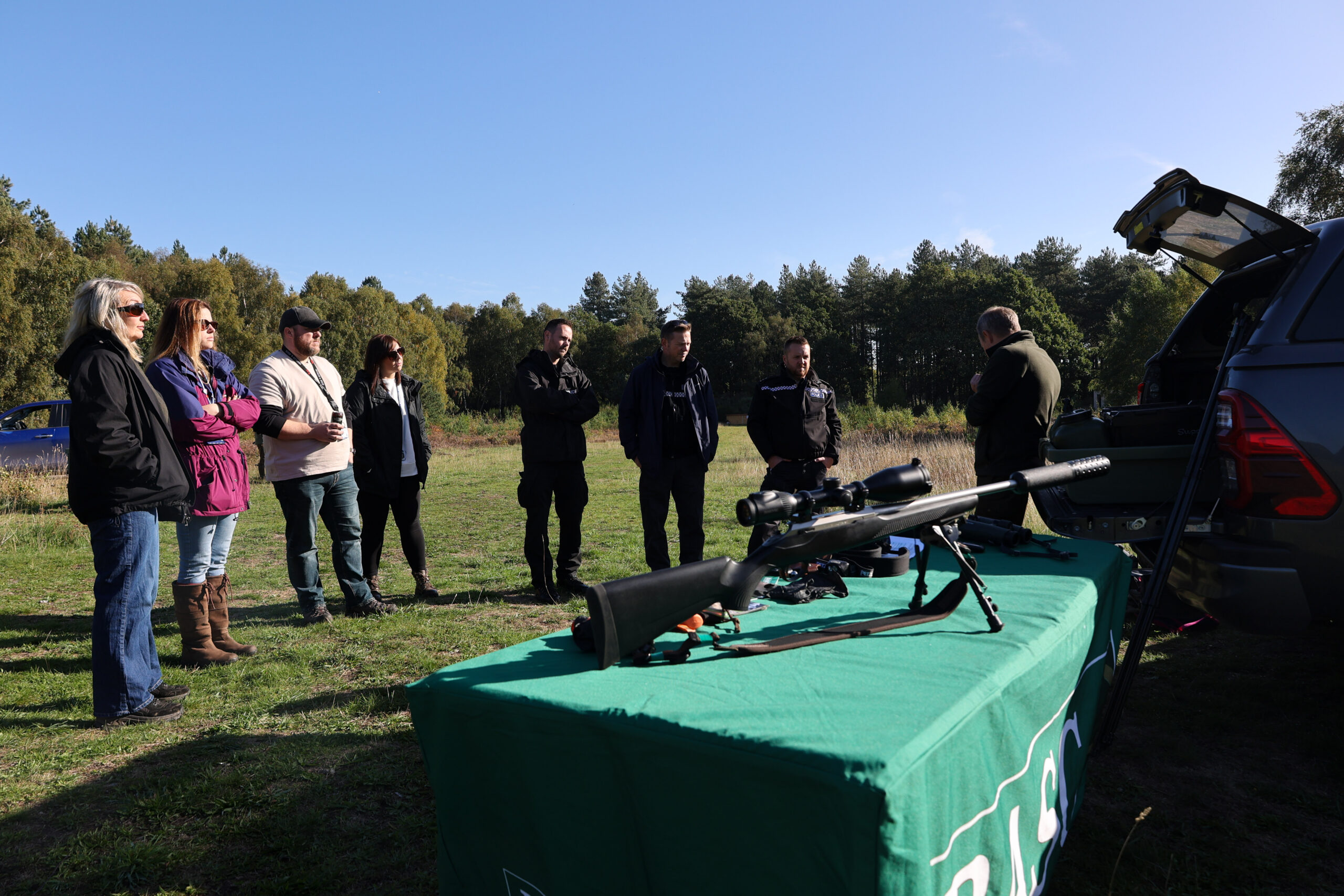
BASC was part of a recent Nottinghamshire Police training day aimed at tackling poaching and hare coursing, advising officers on firearms law and the difference between legal deer stalking and illegal poaching.
The hands-on training day took place on the Thoresby Estate on 21 October and brought together officers who respond to offences in rural areas.
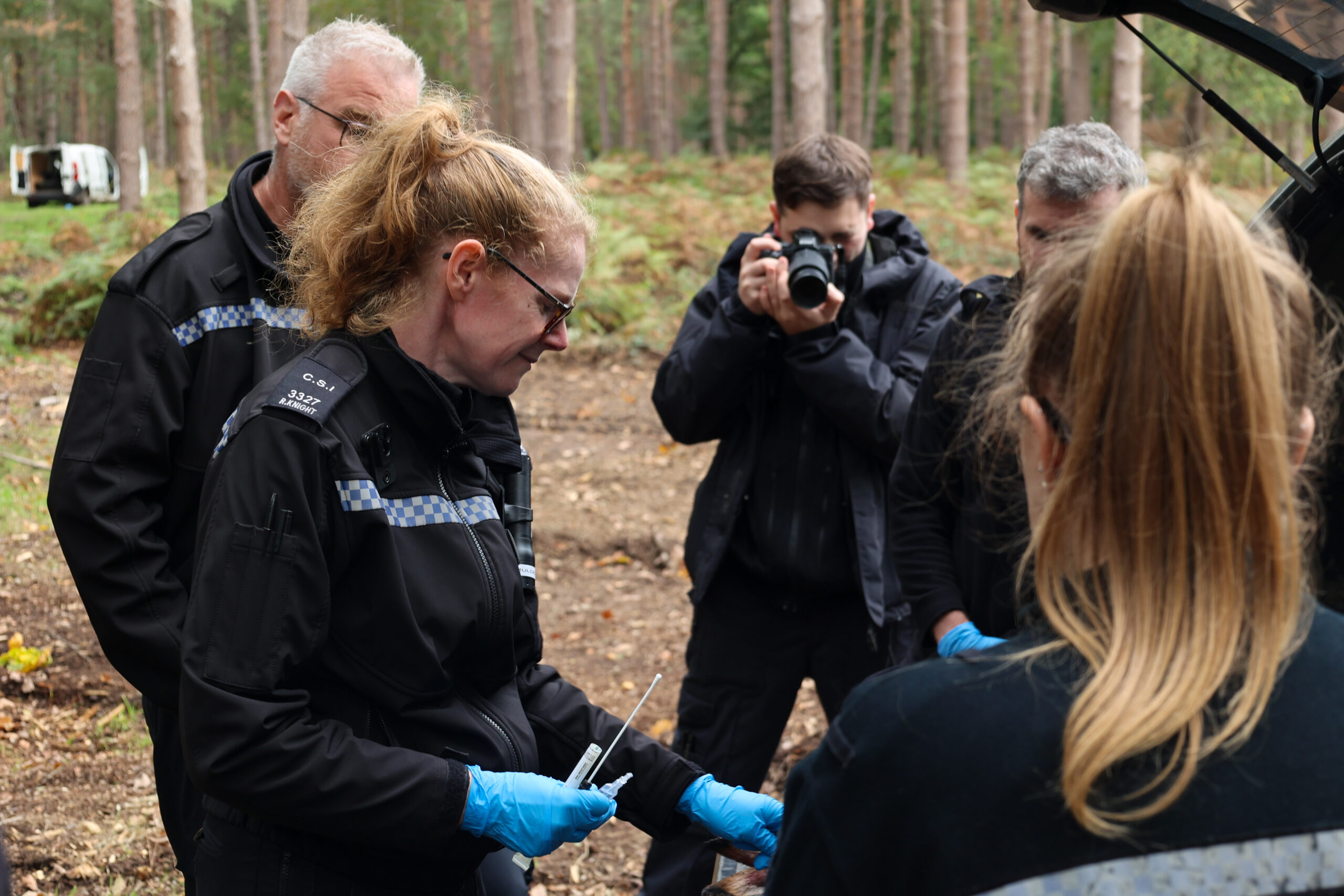
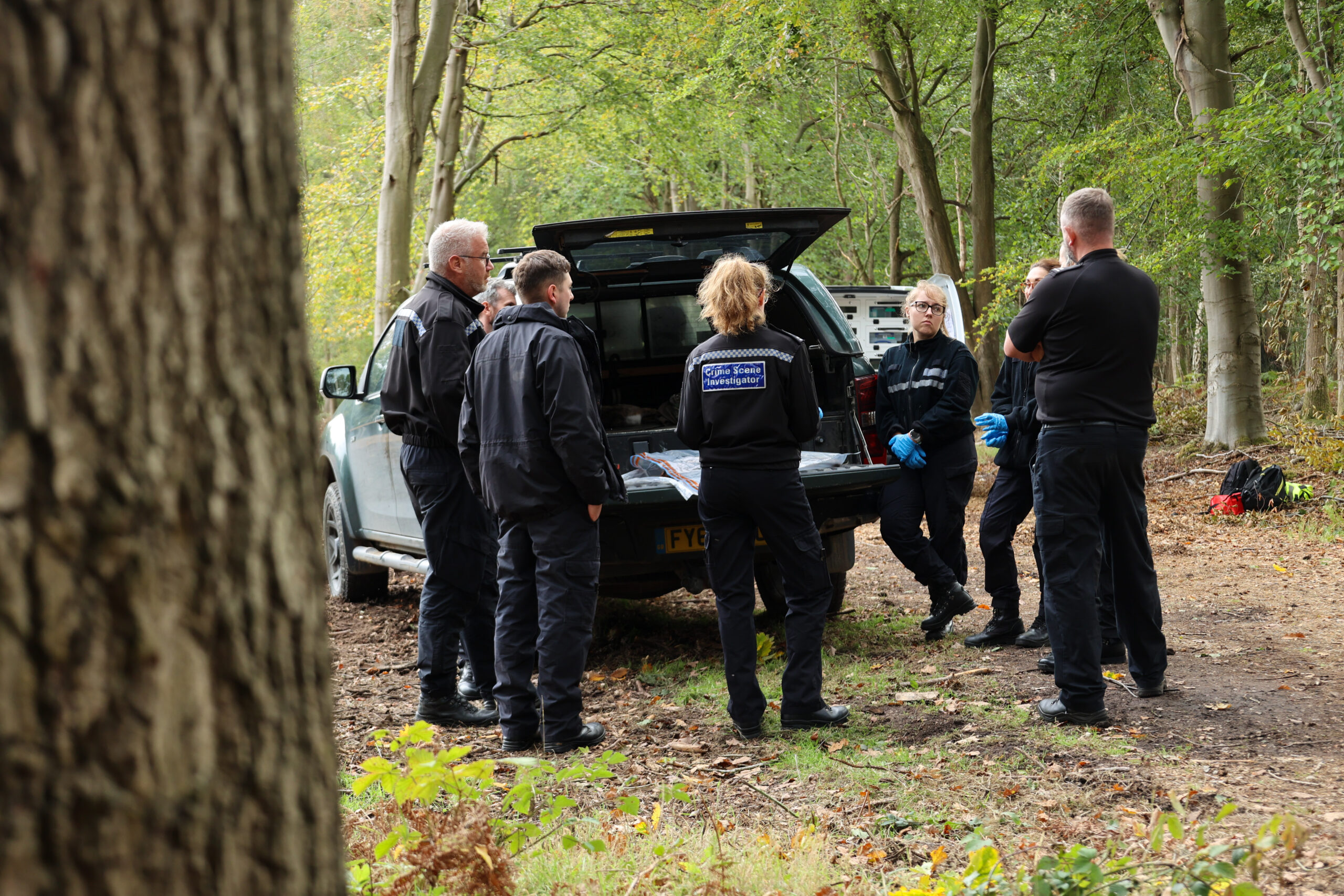
Alongside BASC’s input on firearms legislation, crime scene investigators showed officers how to recover and retain forensic evidence from wildlife crime scenes.
Deer and hare carcasses, responsibly and legally sourced from the estate, were placed in the open and in the boot of a vehicle to recreate the aftermath of attacks by dogs. Officers then learned how to identify and process dog saliva, which can be traced to a particular breed or animal.
BASC’s regional teams work closely with police forces, landowners and other rural stakeholders across the UK, sharing their expertise to help tackle wildlife crime and support the lawful, responsible use of firearms in the countryside.
Lewis Thornley, BASC Central regional director, said: “Poaching and hare coursing are cruel, criminal acts that have nothing to do with legal shooting. They cause real fear in rural communities and the shooting community wants to see those responsible brought to justice as much as anyone.
“Helping officers understand firearms law and the clear line between lawful deer management and poaching means they can respond with confidence when they are called out. We’re grateful to Nottinghamshire Police and the Thoresby Estate for making the day possible, and it’s fantastic to see the training already making a difference on the ground.
“BASC will continue to work alongside the police to tackle wildlife crime, and we encourage anyone who witnesses suspected poaching or hare coursing to report it to the police straight away.”
The training proved its worth almost immediately. Just 24 hours later, an officer in Worksop put her new knowledge to use when a dead muntjac was found during the execution of a search warrant.
Inspector Rob Harrison, district commander for Bassetlaw, said: “This was a really useful and well-received exercise that also shows just how seriously we take these kinds of offences.
“People who illegally hunt and kill our wildlife not only cause great suffering to the animals they kill; they can also cause great harm and distress to people living and working in our countryside.
“These are serious criminals who frankly can leave behind a trail of destruction as they go about hunting and killing animals purely for enjoyment.
“In addition to the mutilated and seriously injured animals they leave behind, they also cause a great deal of damage as they drive across fields, break through fences and intimidate people living in isolated areas.
“That is not acceptable and will always be investigated by the police. It is also very different to the practices of legal and licensed stalkers who are employed to control wildlife populations and are appropriately trained and equipped to do so.”
Chief Inspector Clive Collings, rural crime lead at Nottinghamshire Police, said: “I was really pleased to see so many officers taking part in this training, and I am thankful to the Thoresby Estate and to our friends at BASC for all their help and support on the day.
“This kind of in-the-field training is invaluable to officers working in rural areas, and I am delighted to learn that one of the attendees has already put her newfound knowledge to good use.”
BASC has told the AERA Committee that the Hunting with Dogs Bill is unworkable due to its implications for firearms holders, dog owners and landowners.

Firearms licensing applicants will face stronger safety checks under new rules from the Home Office.

Read more information about bluetongue virus, why it is important for deer managers to be vigilant, and what to do if you suspect a case.