Let’s Learn Moor 2024: the half-way point
Wednesday is the third day of Let’s Learn Moor 2024, with events being held across the north of England from 1 to 5 July.
Get information on the legal shooting season for mammals and birds in the UK.
Apply for funding for your project or make a donation today
Comprehensive information and advice from our specialist firearms team.
Everything you need to know about shotgun, rifle and airgun ammunition.
Find our up-to-date information, advice and links to government resources.
Everything you need to know on firearms law and licensing.
All the latest news and advice on general licences and how they affect you.
Our Four Seasons campaign moves on from cover crops to focus on upland management for the rest of the summer. We begin with this case study on Abbeystead Estate, one of the country’s best-known grouse moors.
Running a grouse moor means vegetation control, predator control and gamekeepers on the ground all year round. This case study looks at what that work has delivered at Abbeystead over the past decade, on the moor and beyond it.
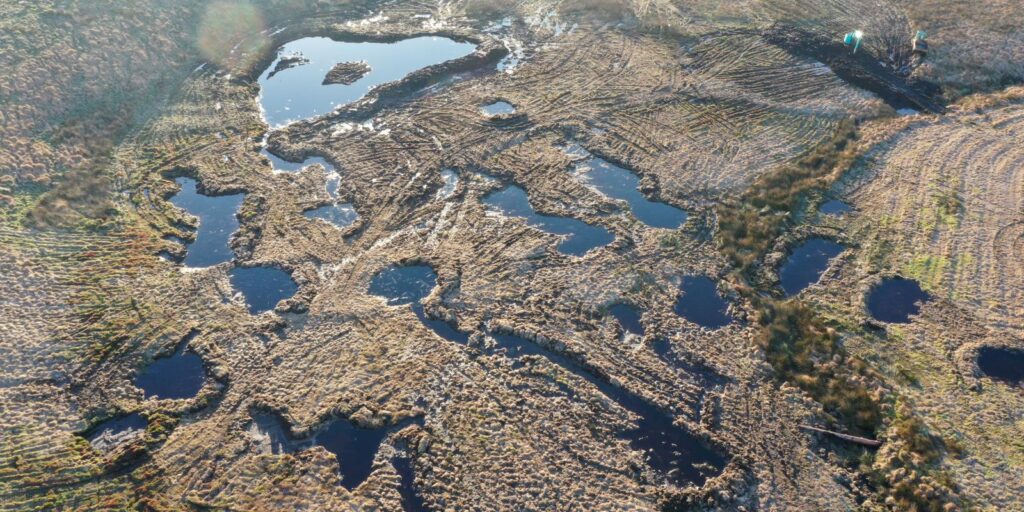
Bare, eroded peat holds onto neither water nor carbon particularly well, so restoring it has been a huge focus for the estate. Peatland restoration has taken place across 855ha of the moorland over the last decade, with a further 50ha scheduled through to 2028.
Hags, the bare peat channels left by erosion, have been reprofiled, covered with heather brash and dams installed in gullies. Together, these measures improve the moorland habitat, retain water on the hilltops and reduce erosion, improving water quality downstream.
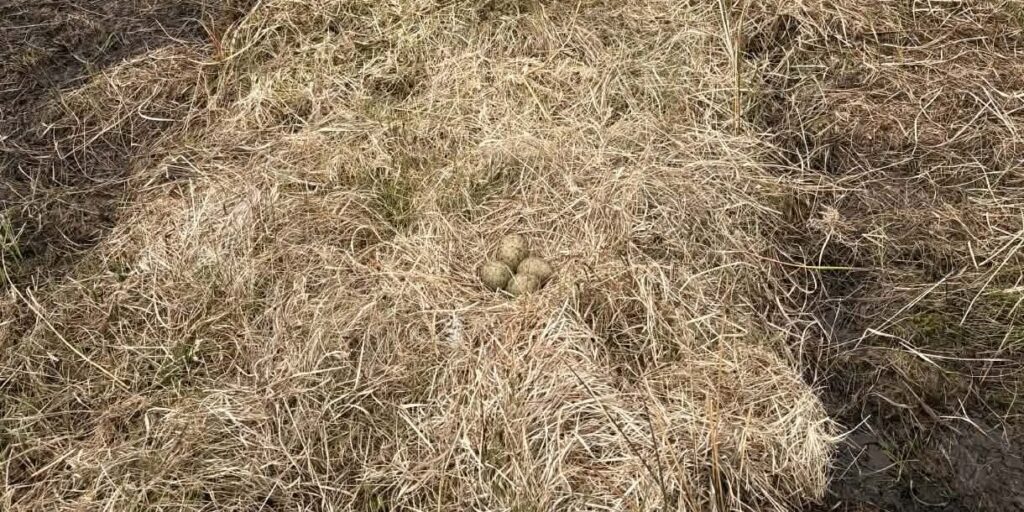
Abbeystead supports a significant population of ground-nesting birds, including redshank, curlew, snipe and oystercatcher. 99ha of grassland and rush pasture is managed to provide optimal breeding conditions for these wading birds. That includes rush control to create a vegetation mosaic, extensive livestock grazing timed around the nesting season, and year-round legal predator control.
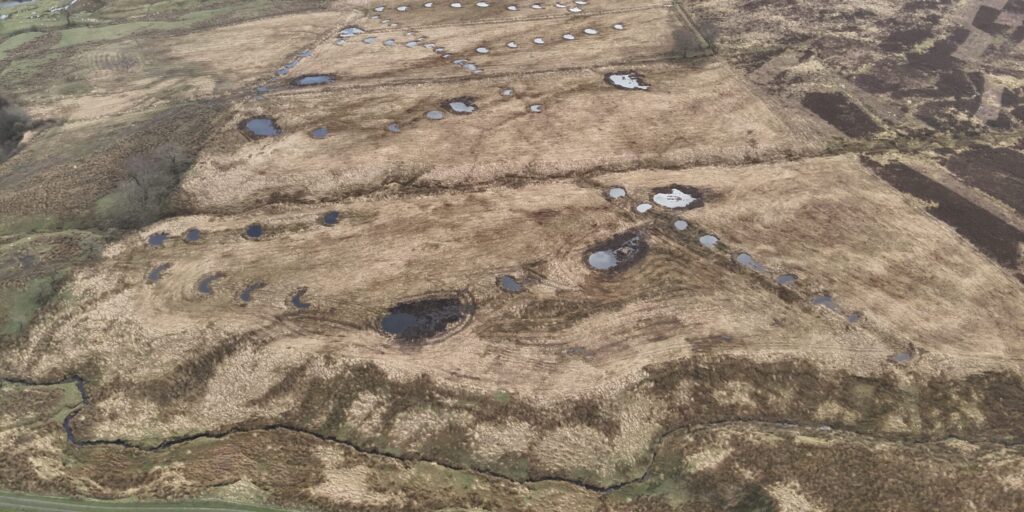
To enhance the habitats, over 500 wader scrapes have been created, covering around 10ha. These shallow pools give adults and chicks somewhere to feed, adding to the grassland mosaic. They also hold rainwater away from the main watercourse, helping to reduce the intensity of flood events downstream.
Given the success of these scrapes, approximately 100 more are scheduled for fields where nesting waders are recorded annually.
Ponds and wetlands feature heavily in Abbeystead’s landscape, some historically drained through past land management. Over the past three years, five ponds have been restored or created to benefit breeding and wintering wildfowl across the estate.
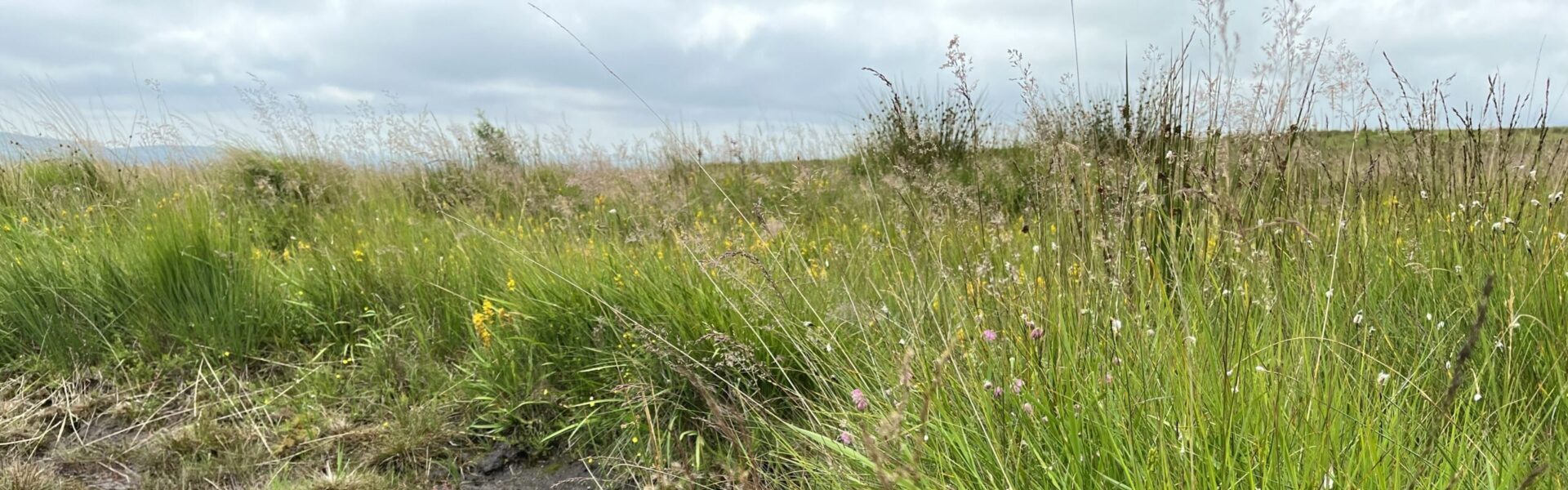
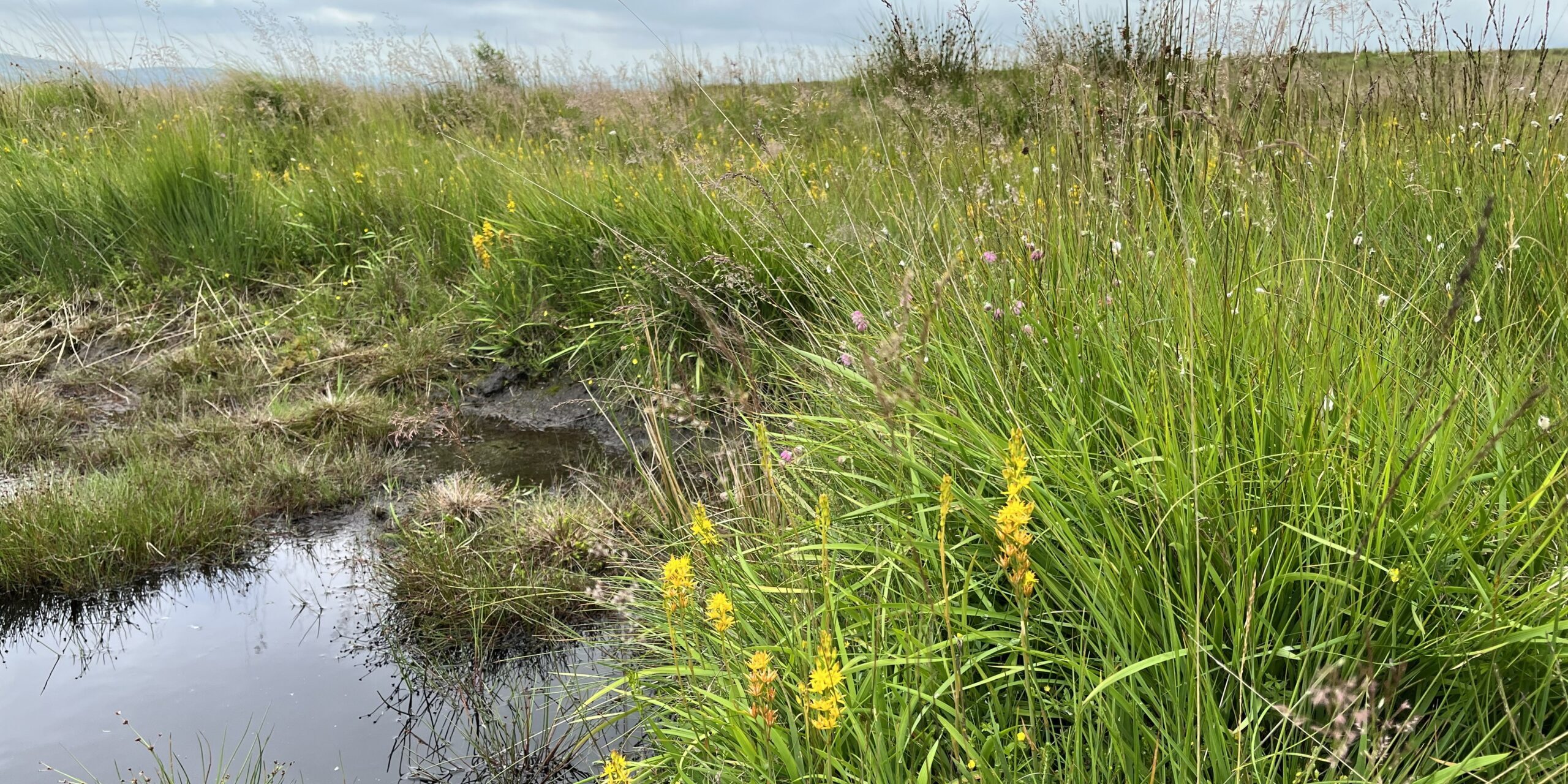
Over 27ha of upland wetlands and bogs have been restored through drain blocking and cutting back Molinia, a purple moor-grass that can crowd out other bog plants if left unmanaged. The addition of scrapes and arc bunds, low earth banks that hold back surface water, has helped provide feeding areas for chicks.
Removing dense Molinia has also created niches for specialist wetland flowers, with bog asphodel, cotton grass and cross-leaved heath re-establishing within the sward.
“The wetland works have shown immediate results for our waders, with snipe wintering on the sites while work was still underway, and curlew nesting just six weeks after completion.”
Liam Williams, Abbeystead Farming and Wildlife Coordinator
Outside the wetland work, the estate has deployed further natural flood management measures on streams crossing its farmland, including leaky dams that slow the flow of water without blocking it completely. To date, this includes:
All that work helps slow the flow of water across the catchment and adds valuable wildlife corridors and habitat.
None of this happens without partners. Abbeystead works closely with farming tenants, estate staff and gamekeepers, alongside GWCT, Forest of Bowland National Landscape and Wyre Rivers Trust, who have supported many of the measures outlined above through funding, design and delivery.
Further collaborative work is already in the pipeline to create a variety of habitats and link existing wetlands across the estate.
The same vegetation control, predator control and gamekeeping that keep Abbeystead Estate’s shoot running have also restored moorland, brought waders back to the hills and reduced the amount of water reaching the towns and villages downstream.
That’s the point of this instalment of our Four Seasons campaign: the benefits to wildlife, peatlands and water retention are not incidental byproducts of grouse moor management but deliberate management objectives delivered alongside the sustainable provision of grouse.

Wednesday is the third day of Let’s Learn Moor 2024, with events being held across the north of England from 1 to 5 July.

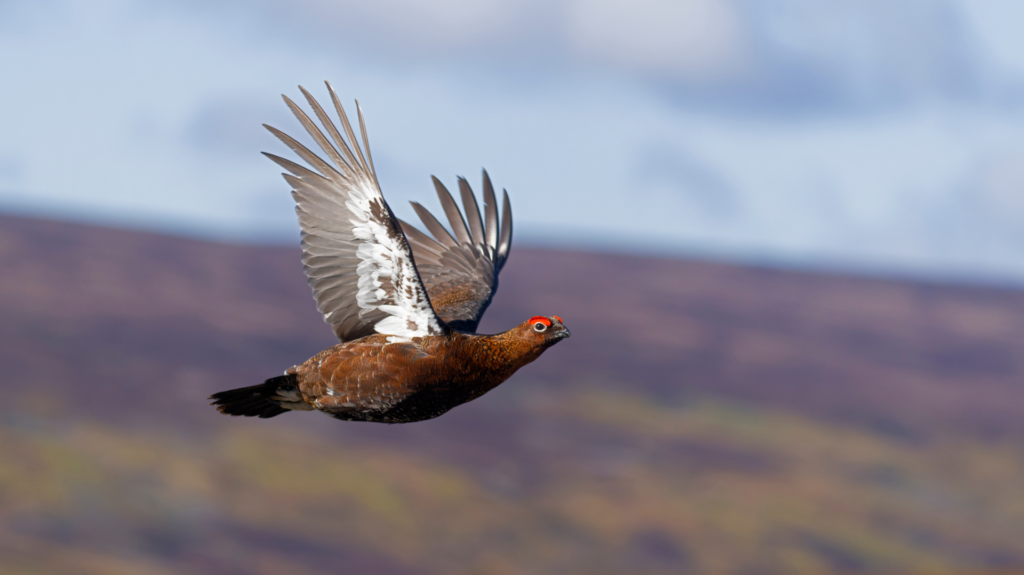
As the Glorious Twelfth approaches, David Scott introduces some of the iconic bird species supported by moorland managed for grouse.

Watch our new film to learn how one of our oldest gundog breeds remains unmatched for modern grouse shooting and moorland management.
Lorem ipsum dolor sit amet, consectetur adipiscing elit. Ut elit tellus, luctus nec ullamcorper mattis, pulvinar dapibus leo.