Making the case for game shooting

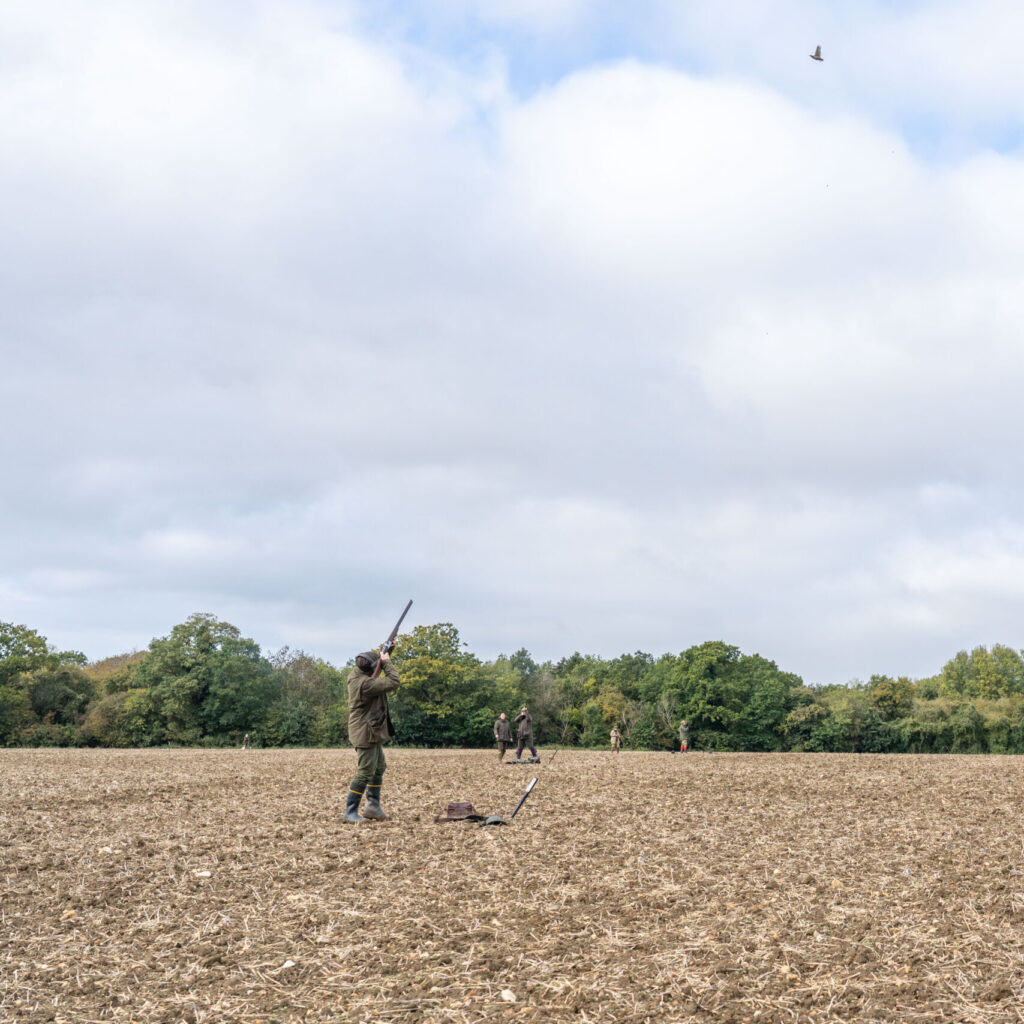
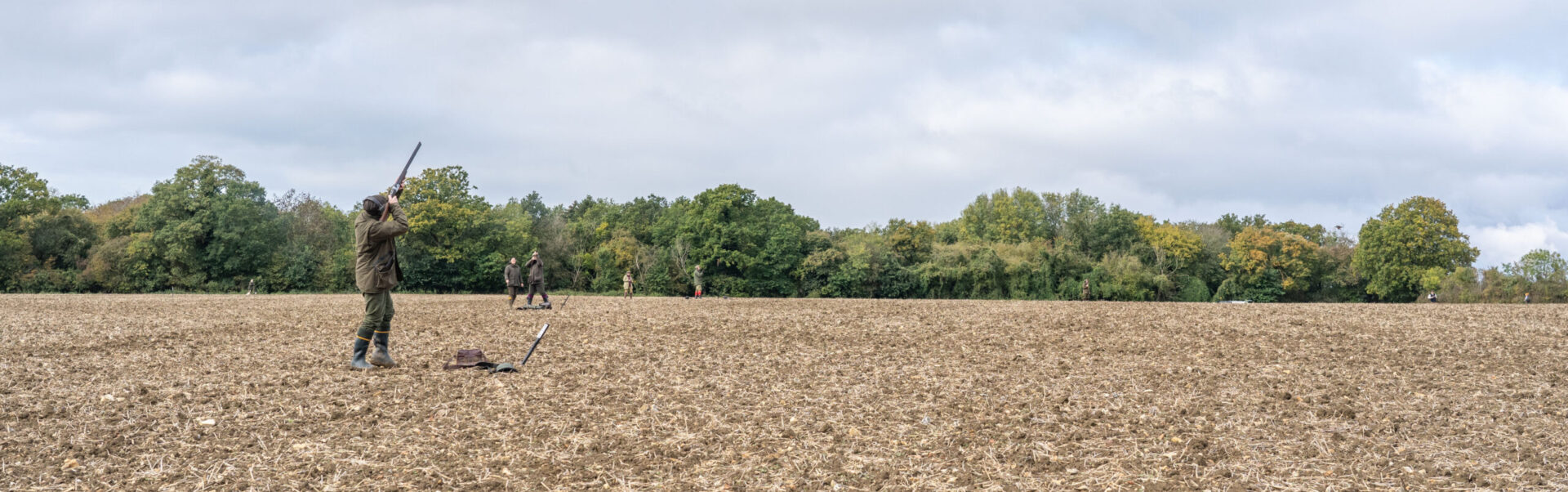
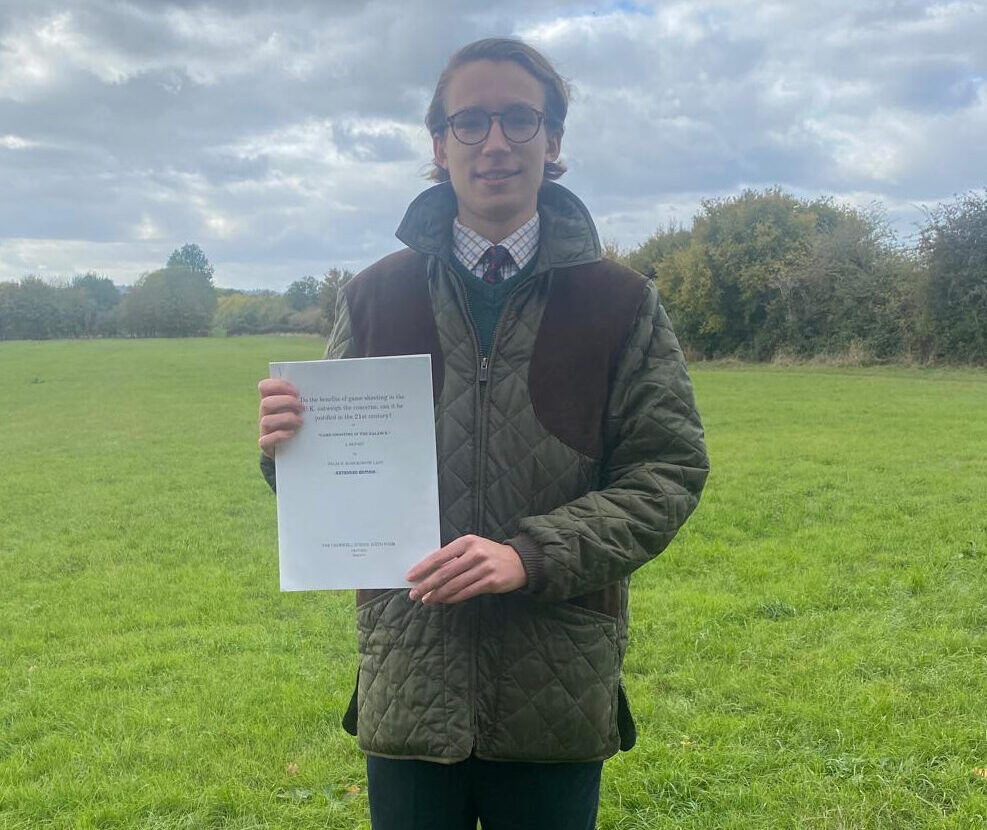
Young people are the future of shooting, and junior BASC member Felix Hodgkinson-Last is already making his voice heard. At 17, he researched whether game shooting can be justified in the 21st century for his A-level Extended Project Qualification (EPQ), then submitted his findings to Defra’s call for evidence. We asked him what he found.

Felix, why did you choose game shooting for your EPQ?

I’m deeply interested in fieldsports and rural affairs. I thoroughly enjoy days out in the field and feel extremely grateful and privileged to have been introduced to the world of fieldsports.

Over the past couple of years I have seen growing pressure on shooting and on the countryside more broadly, from new rules and consultations to the way rural life is talked about in public debate.

I wanted to understand the arguments properly rather than just react to them, so when the opportunity arose to write a 5,000-word report for my EPQ, I decided to devote it to game shooting.

How did you make sure it wasn't one-sided?

Naturally, one might expect a degree of bias, but I took care to present the arguments for both sides in a cogent and objective way. I divided the report into three factors: the social, environmental and economic benefits and drawbacks of shooting.

I used a wide range of sources to make it as representative of public opinion as possible, including interviews with a farmer, an MP and a person vehemently opposed to shooting.

What was the strongest argument you found for shooting?

The part a shoot day plays in rural life. The farmer I interviewed described how his local shoot employs around 50 beaters and 15 gamekeepers, and how, for many people nearby, it is their main chance to get out and see their neighbours. The Value of Shooting report puts the number of people actively involved in shooting at 620,000.

On the other side, a 2018 Survation poll found that most people living in rural England and Wales do not shoot and don’t feel it reflects their values, and many opponents simply object to killing for sport. But disliking an activity is not, on its own, a good reason to ban it.

Where were the arguments most finely balanced?

On the environment. Shooting pays for a huge amount of conservation: the Value of Shooting report found that shoot providers and volunteers carry out £500 million worth of conservation work a year, with habitat management on 7.6 million hectares, and GWCT research shows game crops hold high numbers of farmland songbirds through the winter.

Opponents raise incidents of illegal persecution of birds of prey and the use of lead shot, and I took those arguments seriously. But my view is that the answer lies in the shooting community holding itself to the highest standards, not in a ban.

And the economic case?

It is hard to argue with. Shooting is worth £3.3 billion a year to the UK economy and supports the equivalent of 67,000 full-time jobs, many of them in rural areas where other work is scarce. Critics point to farm subsidies paid to some grouse moor estates and argue that wildlife tourism could earn more from the same land. Even allowing for that, shooting remains a major rural industry.

What did you learn from talking to people who oppose shooting?

It was very insightful to hear and discuss the views of those on “the other side”, as it were, because it led me to realise that the fieldsports community could do better at educating the public about shooting and country life. 

It seems to me that when people who have never been out on a shoot day try to picture it, they often imagine something very different from the reality.

There is clearly a general lack of understanding among the most vociferous opponents of shooting. They don’t understand that it is in large part thanks to agriculture, fieldsports and country traditions that “England’s green and pleasant land” remains so.

So, can game shooting be justified in the 21st century?

Yes. My report concludes that it can, provided the shooting community does more to show people the realities of country traditions.

Why did you submit your report to Defra?

I spent months weighing up the evidence on both sides, and I wanted it to count for something beyond my A-levels. I would encourage everyone who shoots, whatever their age, to respond before the call for evidence closes. Long may our country traditions continue!

Defra’s call for evidence on gamebird release closes on 1 November. Follow Felix’s lead and make your voice heard at basc.org.uk/thevoiceofshooting.

Share

Privacy Overview

This website uses cookies so that we can provide you with the best user experience possible. Cookie information is stored in your browser and performs functions such as recognising you when you return to our website and helping our team to understand which sections of the website you find most interesting and useful.