





Wetland

Sustainable wildfowling gets a boost from Countryside Stewardship Scheme

The Countryside Stewardship Scheme option for wet grassland is now explicitly supportive of sustainable wildfowling, says Ian Danby.

Countryside Stewardship (CS) schemes are government-funded initiatives in England that provide incentives for landowners to improve the environment. They support activities such as habitat creation, biodiversity enhancement, water quality improvements and flood management. 

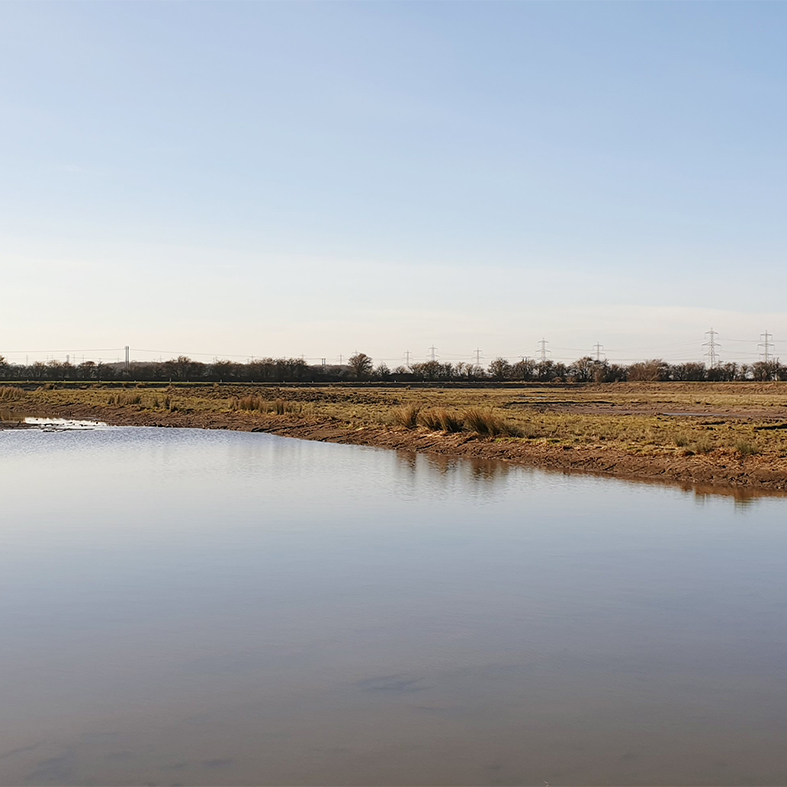
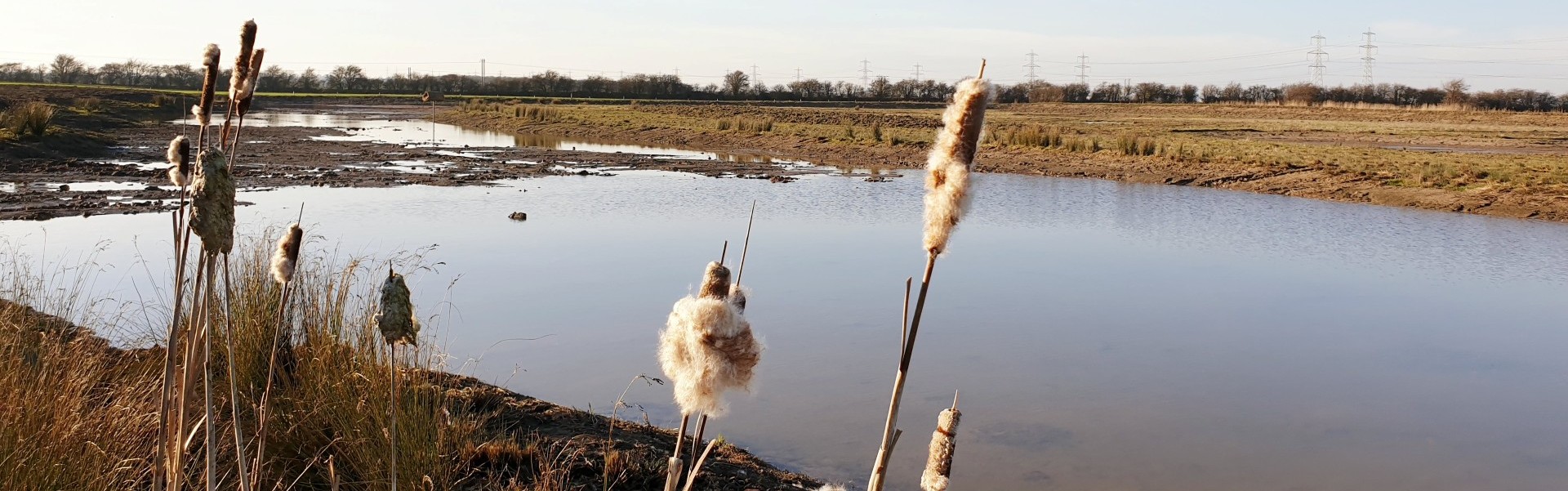
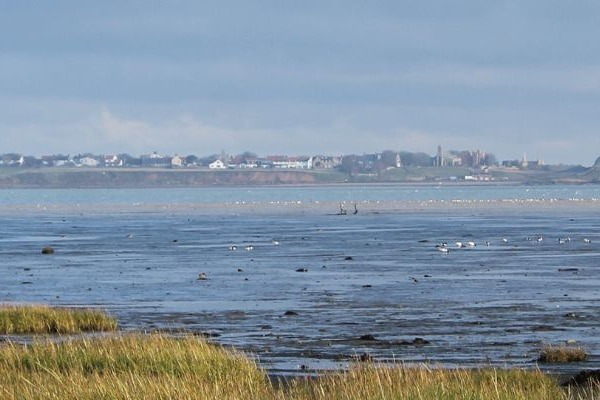
One example is the option for managing wet grassland for breeding waders or for wintering waders and wildfowl. BASC became aware of issues with the wet grassland options in CS which meant sustainable wildfowling was excluded. These options had a restriction to not permit recreational activities which could cause disturbance. In some cases ‘disturbing activities’ was being interpreted as meaning shooting.

Productive discussions with Defra

We picked this up with Defra’s team working on the new Environmental Land Management Scheme or nELMS, under which Countryside Stewardship falls. 

The issue was taken seriously and in 2024/2025 we had a series of meetings and exchanges. We set out how sustainable shooting was a lawful recreational activity and need not involve significant disturbance. In fact, it could bring benefits including predator management and better knowledge of local bird numbers and patterns.

The Defra team is charged with spending public money for public good. This includes analysing the cost-benefit of permitting a change that allowed for sustainable shooting. We had discussions around the proposition that zero disturbance is both impractical and unnecessary. What mattered was whether the disturbance had a significant impact on the species concerned. 

We recommended looking at the African Eurasian Waterbird Agreement’s guidance on what constitutes significant disturbance. This is something BASC is aware of because we engage in policy at international level as part of our work to promote sustainable shooting and the conservation of the countryside and species it supports.

A successful outcome

Following those discussions, the Defra team took the resulting recommendations forward through the scrutiny and decision-making process. 

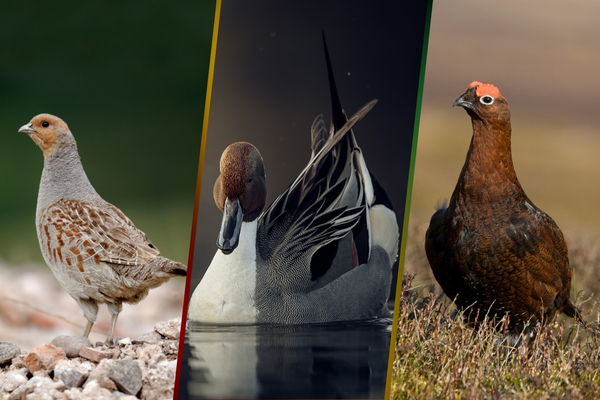
We are delighted that they published updated CS options that closely followed our exchanges. Both the options, managing wet grassland for breeding waders and managing wet grassland for wintering waders and wildfowl, now have the same wording that specifically permits sustainable wildfowling.

Applicants must agree a wildfowling strategy plan with the scheme advisor, keep records of what is shot and be ready to provide them to Natural England if required. 

There are two restrictions: no wildfowl releasing within the site and no supplementary feeding. This is rationalised because the aim is not to support released mallard shooting.

We are extremely pleased with the way Defra has responded and updated the guidance to permit sustainable wildfowling. We can wholeheartedly recommend everyone to engage with these options and deliver better wetlands for wildlife.

Please contact our wildfowling team if you need guidance on completing the wildfowling strategy template, or have any other questions.

Share

Privacy Overview

This website uses cookies so that we can provide you with the best user experience possible. Cookie information is stored in your browser and performs functions such as recognising you when you return to our website and helping our team to understand which sections of the website you find most interesting and useful.