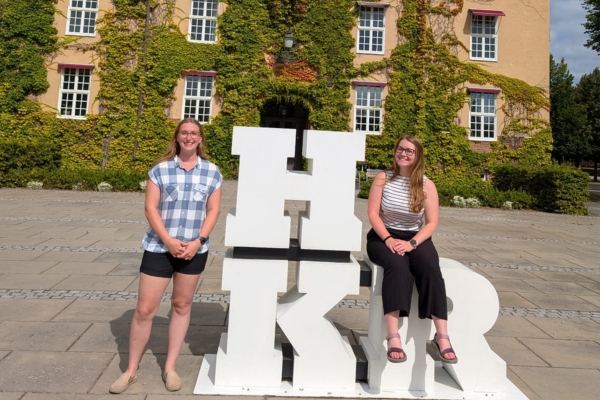
Uniting for ducks: BASC joins international waterfowl symposium
The health of Europe’s ducks was centre stage at the Pan-European Duck Symposium in August, featuring presentations on BASC research projects.

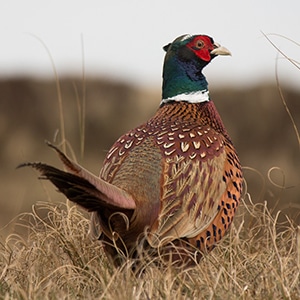
Get information on the legal shooting season for mammals and birds in the UK.
Apply for funding for your project or make a donation today
Comprehensive information and advice from our specialist firearms team.

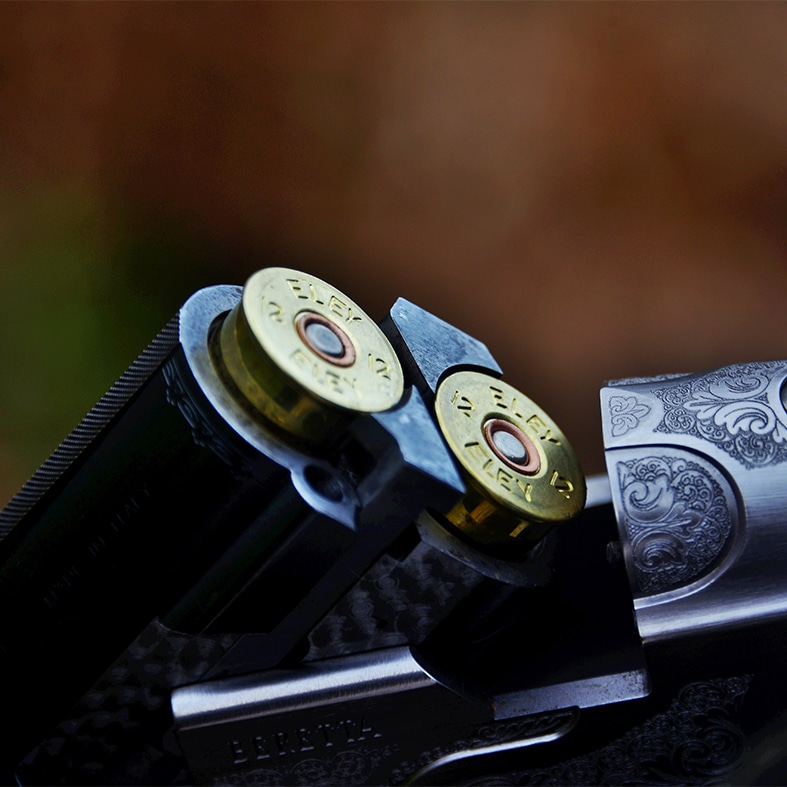
Everything you need to know about shotgun, rifle and airgun ammunition.


Find our up-to-date information, advice and links to government resources.
Everything you need to know on firearms law and licensing.
All the latest news and advice on general licences and how they affect you.

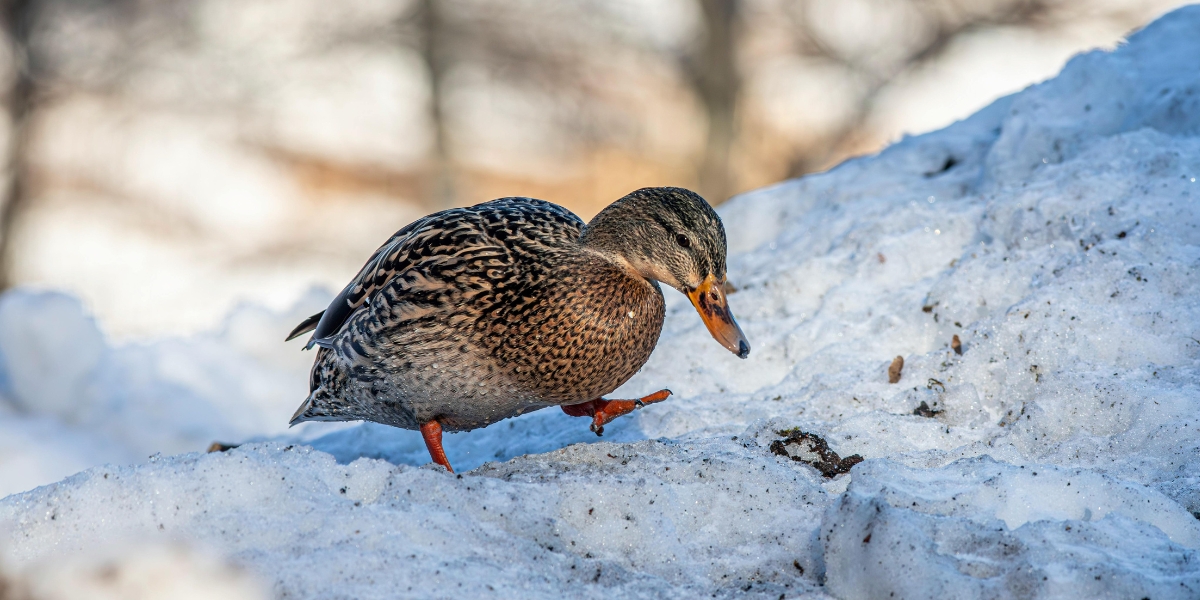
With much of the UK still experiencing prolonged cold conditions, frozen waterbodies and snow on the ground, Chris Wright outlines how the severe weather protocol for waterfowl shooting operates.
The severe weather scheme exists to protect wildfowl and waders during periods when persistent freezing conditions make feeding difficult and place birds under increased stress.
These arrangements are long-established and are supported by both the shooting community and conservation bodies. The aim is to reduce disturbance and allow birds the time and space they need to feed, rest and recover during harsh conditions.
During prolonged severe weather, government ministers have the power to temporarily suspend the shooting of wildfowl and waders.
In England, Wales and Scotland this is done through a Protection Order under the Wildlife and Countryside Act 1981. Northern Ireland operates similar provisions under its own legislation.
The process is driven by temperature data from many a weather stations around the UK, using minimum air and ground temperatures as the best indicators of difficult feeding conditions.
Short thaws of one or two days do not end the process. A longer thaw of three consecutive days resets the count.
Snow cover is also taken into account and is carefully considered at the voluntary restraint stage, particularly where inland feeding areas are affected.
The criteria and procedures are agreed jointly by government regulators, BASC, and a range of other organisations such as the British Trust for Ornithology, RSPB, Wildfowl & Wetlands Trust, and others.
BASC is formally consulted before any Protection Order is signed and plays a key role in communicating decisions to the shooting community.
When a Protection Order is in force, it becomes an offence to shoot specified species of ducks, geese and waders, both inland and on the coast. This includes reared mallard, but gamebirds are not affected.
A suspension normally lasts 14 days, reviewed after seven days, and may be lifted early if conditions improve and birds have had time to recover. If severe weather continues, a further suspension may be introduced.
Even before any statutory action, voluntary restraint is a vital part of responsible wildfowl and wader shooting. Local conditions vary, and shooters and wildfowling clubs are best placed to judge the most appropriate response – ranging from reducing disturbance or bag size, to temporary local suspensions where birds are clearly under pressure.
With frozen bodies of water, snow-covered feeding areas and low temperatures currently affecting many areas of the UK, careful judgement and restraint are especially important. Clear communication within wildfowling clubs and with BASC regional teams helps ensure everyone is informed and acting responsibly.
Responding properly during severe weather protects wildfowl, supports the reputation of shooting, and demonstrates the high standards expected of the shooting community.
For more information about the scheme, visit our sever weather pages here.
The health of Europe’s ducks was centre stage at the Pan-European Duck Symposium in August, featuring presentations on BASC research projects.
Glynn Evans looks ahead to the new pheasant season, and what he’s most eagerly anticipating in prospect.
BASC member Jim Old took the Game Shooter Certificate course – read his account of how he got on over two enjoyable and informative days.