Share the benefits of grouse shooting
BASC is asking its members and supporters to promote the benefits of grouse shooting to their local MPs and push back against a Wild Justice petition.

Get information on the legal shooting season for mammals and birds in the UK.
Apply for funding for your project or make a donation today

Comprehensive information and advice from our specialist firearms team.

Everything you need to know about shotgun, rifle and airgun ammunition.


Find our up-to-date information, advice and links to government resources.

Everything you need to know on firearms law and licensing.
All the latest news and advice on general licences and how they affect you.


BASC has criticised the Government for its lack of consultation with countryside organisations over key issues prior to launching a new strategy today.
BASC opposes plans to ban snares and introduce a close season for hares, neither of which is evidence-based, as outlined in the Government’s animal welfare strategy for England.
The failure to engage with those who understand wildlife management on the ground undermines confidence in the strategy from the outset, as does quoting an extremist organisation such as the League Against Cruel Sports in Defra press releases.
Shooting organisations were not consulted on this strategy and there was criticism in the House of Commons last week that the Government had decided to publish it after Parliament had risen for Christmas recess, negating the opportunity for immediate political scrutiny.
BASC deputy director of conservation, Dr Marnie Lovejoy, said: “BASC and its members act as custodians of the countryside. We are the eyes and ears on the ground and for us not to be consulted on key issues before publication undermines this strategy.
“Decision-making must follow the evidence and not emotion and ideology. Improving standards of animal welfare is a positive move, but an evidence-led proportionate approach is needed and decision-making on ideological grounds risks conflating animal rights with wildlife management.”
The new design of snares would exceed international welfare standards for trapping when used properly. They are humane and necessary for protecting livestock and conserving vulnerable wildlife species. This is especially true in the months when cover (grasses and bushes) is too high for shooting to be an effective means of pest control.
Rather than imposing a blanket ban, BASC believes compliance with the England fox snaring code should be made a legal requirement, alongside a ban on the sale of non-compliant snares. This would deliver real welfare improvements without removing an essential management tool.
In relation to brown hares, population is determined by habitat and predation, particularly by foxes. Hares are the only game species that are agricultural pests in areas where their numbers are high. Two hares can eat as much as a sheep and there is a need to control those animals targeting market gardens and crops.
Hare populations have increased by up to 50 per cent in recent years, with the International Union for Conservation of Nature listing them as a species of “least conservation concern”. The principal welfare concern remains illegal hare coursing, which is closely linked to organised criminal gangs and wider rural crime. This is where enforcement and resources should be focused.
BASC members own animals, respect their quarry and take animal welfare seriously. The association remains willing to work constructively with the Government but is clear that the animal welfare strategy must be revisited to ensure it is grounded in evidence, informed by those who manage the countryside, and developed through proper consultation.
BASC is asking its members and supporters to promote the benefits of grouse shooting to their local MPs and push back against a Wild Justice petition.
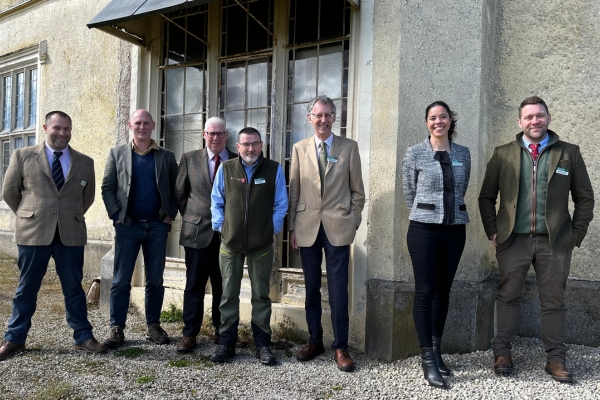
The Great Fulford Estate in Devon provided a stunning backdrop for the first BASC gamekeeping conference held in the south west of England.

With PCC elections set to take place on 2 May , BASC’s Martin Parker addresses the question of why you should cast your vote this time around.