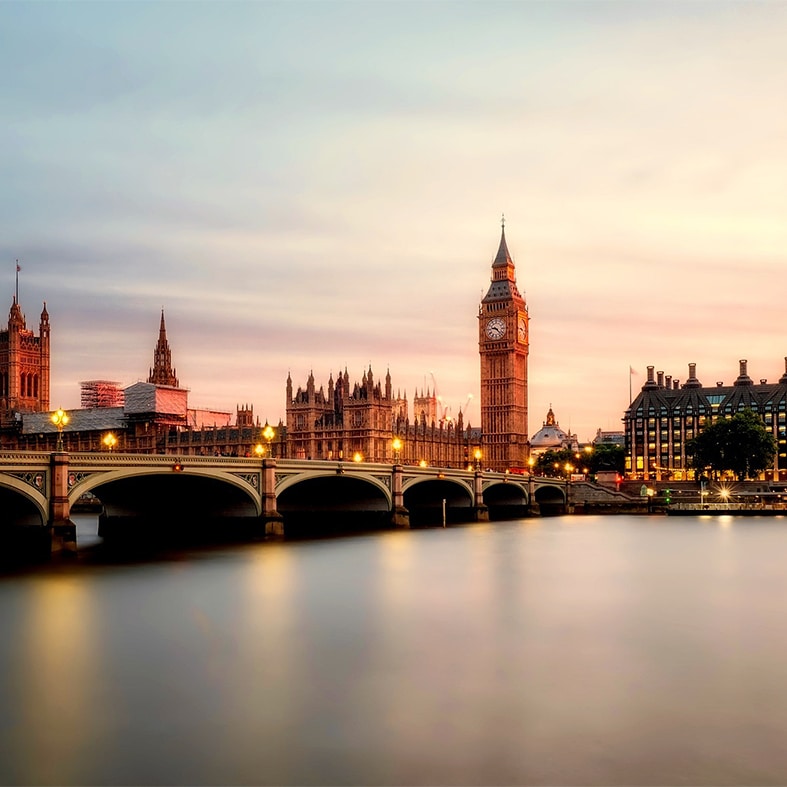







Westminster and Big Ben

From petition to Parliament: the Section 2 debate explained

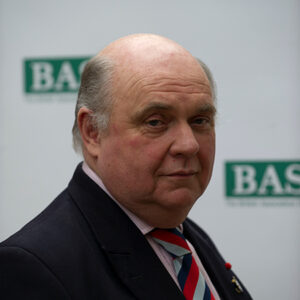
Following the Westminster Hall debate on firearms licensing on 23 February, BASC director of firearms Bill Harriman outlines what happens next.

On 23 February, there was a debate in Parliament on whether the licensing process for shotguns should be aligned with that for other firearms such as sporting rifles, often referred to by the shorthand of Section 2 to Section 1. 

Since then I have had a lot of enquiries asking what happened and whether that was the end of the matter, so here’s some explanation and an update.

The debate was triggered by a successful Parliamentary petition launched by Lisa Amers in December.

The petition went viral and a mere 11 days after its launch, it had topped 100,000 signatures. When that number is reached for petition, a process is triggered for the government to have a debate about it. 

This is not a normal Commons debate but what is called a Westminster Hall Debate. This is a fairly recent Parliamentary device (1999), whereby an MP can table a regional or national issue and have it aired to raise awareness about it. 

The debate is time-limited, any backbench MP may speak in it and a government minister must respond. The debate is held in the Grand Committee Room and it is regulated by a chair.

How is a Westminster Hall debate different from the Commons?

Anyone who watches the news will know that debates in the Commons are often bear pits, punctuated by jeering, booing, catcalls and cries of “Order! Order!” from an ever-despairing speaker trying to keep a grip on things. 

By contrast, a Westminster Hall Debate is a more civilised affair where speakers thank the chair for giving them the floor and put their points calmly in measured tones without party-political point scoring. 

There is a convention whereby an MP who wants to make a quick point can do so by means of an “intervention” where the speaker is asked “to give way” so as to allow the point to be made before being allowed to continue. It’s all very polite and respectful – just the way most of us would like our political representatives to behave.

The debate is opened by the MP who has secured it in a ballot; in this case by a member of the Petitions Committee on its behalf. Other MPs – from any political party – follow on for as long as the time allows. 

Then the shadow minister replies on behalf of the opposition followed by the relevant government minister. The MP whose debate it is speaks finally before the chair closes the debate and asks in neutral terms for a vote confirming  that the House has considered the issue. 

After the vote – invariably decided in the affirmative – MPs disperse.

Not the end of the story

Before the debate, BASC briefed MPs and urged them to attend. Thirty-five MPs from across the political spectrum spoke in this debate, giving it the vital cross-party attendance that is intrinsic to BASC’s political work. 

Each one was opposed to it, which sent a clear message to the minister. She then concluded that the consultation would be launched “in due course”.

So there you have it. This debate did not decide anything but it sent government a very powerful message that not only was the shooting community deeply unhappy to see this issue raised, but that its political representatives were too. 

This is not the end of Section 2 to Section 1: rather it is just the beginning. However, it is a beginning in which the shooting community is on the front foot politically. 

When this consultation comes, BASC will go into it ready and with the arguments well-rehearsed. It reminds me of Wellington, who said before Waterloo, “I know this ground, I have had it in my pocket for some time”.

Share

Privacy Overview

This website uses cookies so that we can provide you with the best user experience possible. Cookie information is stored in your browser and performs functions such as recognising you when you return to our website and helping our team to understand which sections of the website you find most interesting and useful.