



What’s next for deer management in Scotland?
With proposals for major changes in deer management in sight, BASC Scotland director, Peter Clark, reflects on the latest developments.
Get information on the legal shooting season for mammals and birds in the UK.
Apply for funding for your project or make a donation today
Comprehensive information and advice from our specialist firearms team.
Everything you need to know about shotgun, rifle and airgun ammunition.
Find our up-to-date information, advice and links to government resources.
Everything you need to know on firearms law and licensing.
All the latest news and advice on general licences and how they affect you.
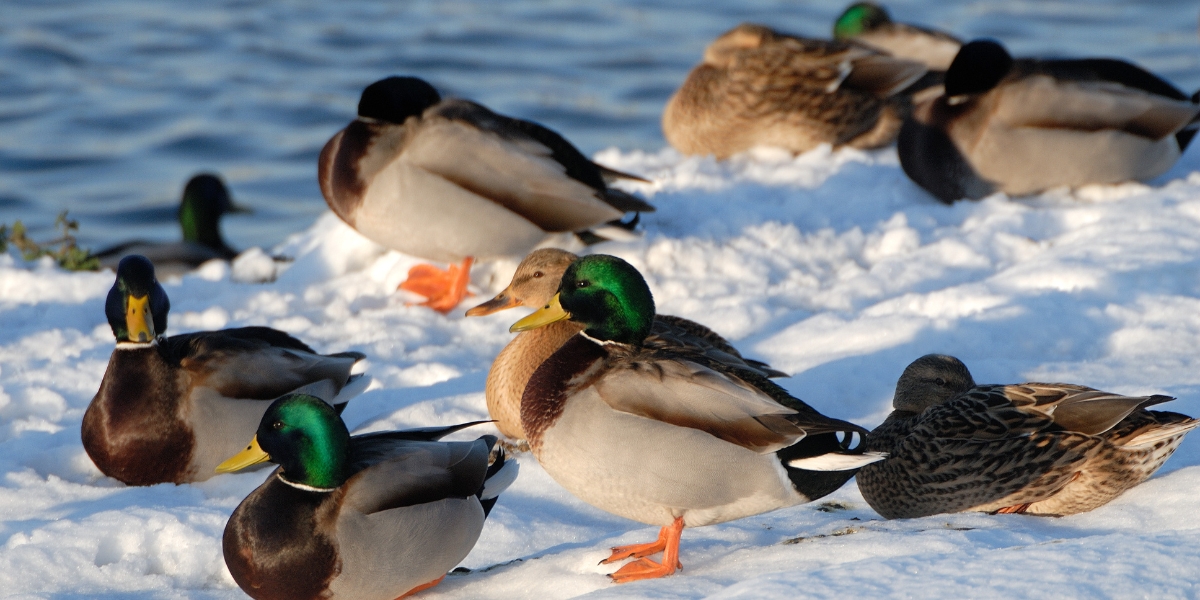
Due to the widespread severe weather, BASC is calling for people who shoot in Scotland to exercise restraint, wherever it is needed, in the shooting of ducks, geese and waders, including reared mallard.
The call for voluntary restraint comes following a prolonged period of severe weather in many parts of Scotland, under criteria agreed between BASC and the relevant government agencies. Parts of Aberdeenshire, Moray and the Highlands are particularly affected.
The alert has been issued according to procedures for managing the shooting of waterfowl in adverse weather. The decision to show restraint in shooting should be made by individuals and be based on local observations of the condition of the birds and their habitats. Further guidance is available here on our website.
There is currently no overall call for voluntary restraint for waterfowl shooting in England, Wales and Northern Ireland, but it should still be applied where feeding and roosting are affected by snow and ice.
Although the forecast for much of Scotland is set to improve, if the freezing conditions were to persist it is likely that decisions will be taken by the Scottish Government to impose a statutory suspension of waterfowl shooting. This would happen on 17 January at the earliest, which would last for up to 14 days. This should be reviewed after seven days and could be lifted if conditions improve.
Please continue to monitor our website for updates on the situation in Scotland and, in all cases, show consideration and exercise restraint where appropriate in all areas of the country affected by severe weather.
Chris Wright, BASC’s wildfowling advisor, said: “Even where birds appear to be healthy overall, shooters, clubs and syndicates should pay close attention to the situation on the ground in their local area. They should watch for any unusual movements or signs of birds in poor condition and adjust their shooting decisions accordingly.”
Please also keep the BASC Scotland team updated via scotland@basc.org.uk, or BASC’s wildfowl and wetlands team on wildfowling@basc.org.uk, regarding any actions which your club or syndicate takes, together with reports of unusual bird movements or birds in poor condition. If appropriate, use the new bird condition monitoring form which can be found here.

With proposals for major changes in deer management in sight, BASC Scotland director, Peter Clark, reflects on the latest developments.

Scottish Natural Heritage has made last minute changes to the Scottish general licenses that will take effect from 1st January 2014. BASC is challenging the process and one of the decisions.

Scotland’s shooting sector delivers more than £246 million in annual natural capital benefits, according to a new report launched by BASC at the Scottish Game Fair on 4 July.