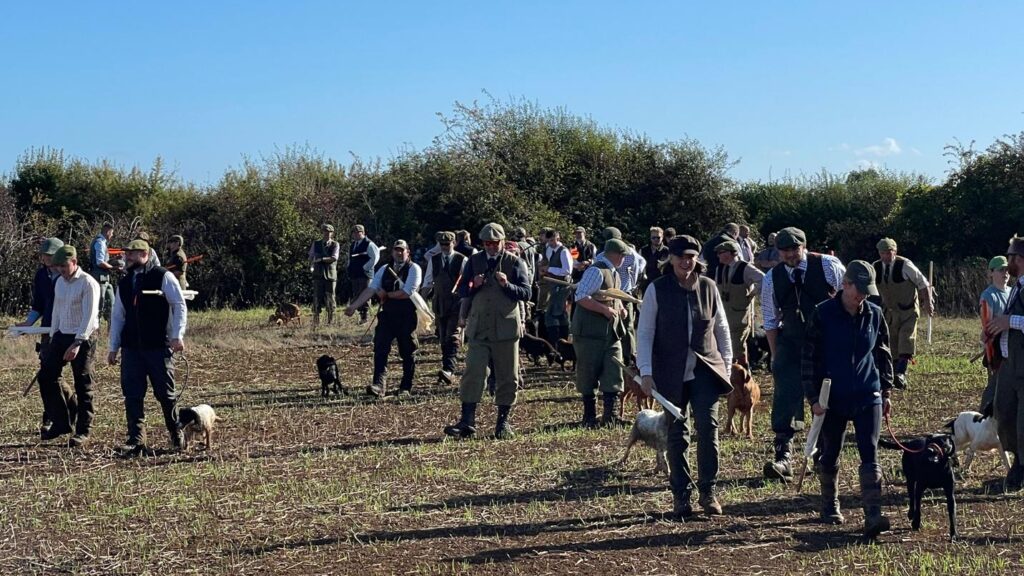
Ponsonby Farms: a day beating for wild grey partridge
BASC’s Sam Walker joins the beaters at Ponsonby Farms in Gloucestershire to see a wild grey partridge recovery, built on shoot management, in action.


Get information on the legal shooting season for mammals and birds in the UK.

Apply for funding for your project or make a donation today

Comprehensive information and advice from our specialist firearms team.

Everything you need to know about shotgun, rifle and airgun ammunition.


Find our up-to-date information, advice and links to government resources.

Everything you need to know on firearms law and licensing.

All the latest news and advice on general licences and how they affect you.


As part of Invasive Species Week 2026, we’re encouraging land managers, gamekeepers and everyone involved in shooting to ‘Be Plant Wise’. Knowing what to look for and acting early can help protect habitats, reduce management costs and stop invasive plants from spreading across the countryside.
Whether you are maintaining woodland rides, managing cover crops, looking after ponds or carrying out conservation work, keeping invasive non-native plants under control should be part of your routine.
Many invasive plants spread quietly at first. A single patch along a riverbank or woodland edge can quickly become a much larger problem if left unchecked. Some damage habitats, others affect access, while several can become expensive and time-consuming to remove once established.
Here are some of the most common invasive plants to look out for and why they matter.
Himalayan balsam can make access difficult around ponds and waterways, affecting habitat management and making it harder for both gundogs and people to move safely through the area.
Once established, Japanese knotweed can cost thousands of pounds to control. It is also important to remember that spreading it, even accidentally, is an offence under the Wildlife and Countryside Act 1981. Never flail or strim knotweed. Even tiny fragments can grow into new plants.
Giant hogweed presents obvious risks to beaters, stalkers, gamekeepers, forestry workers, Guns and anyone walking through affected areas. It also reduces the variety of plants and insects that healthy habitats depend on.
While it may once have provided cover for pheasants, unmanaged rhododendron quickly takes over woodland rides, makes birds difficult to flush and reduces the food and shelter available for deer and other wildlife.
The above species are among the best-known invasive plants, but they are not the only ones causing problems.
Snowberry and cherry laurel were both introduced as ornamental plants and have also been widely planted as game cover. Today they can spread beyond where they were originally planted, forming dense stands that suppress native woodland plants and reduce biodiversity.


Managing invasive plants is rarely a one-off job. Success comes from spotting problems early and taking consistent action.
Walk woodland rides, riverbanks, ponds and field margins regularly. Record any invasive plants you find so you can monitor them and act before they spread.
Seeds and plant fragments can easily travel on boots, vehicles, ATVs, machinery, trailers and even dogs’ paws.
Following the Check, Clean, Dry approach before moving between sites helps prevent invasive species spreading to new areas.
Different plants require different approaches. Himalayan balsam can often be pulled before it sets seed. Japanese knotweed and giant hogweed usually require specialist treatment using appropriate herbicides. Always follow current guidance and never use methods that risk spreading the plant further.
Under the Wildlife and Countryside Act 1981, it is an offence to plant or otherwise cause invasive non-native plants to grow in the wild.
Landowners and land managers have a responsibility to ensure these species do not spread beyond their boundaries.
Most invasive plants do not take over an estate overnight. They often begin with a single plant beside a river, a patch along a woodland ride or in a forgotten corner of a shoot.
Spotting them early is usually quicker, cheaper and far more effective than dealing with a widespread infestation later.
This Invasive Species Week, take a closer look around your shoot. A few extra minutes today could save years of management in the future while helping protect the habitats that support shooting and wildlife alike.
GB non-native species secretariat has all the information you need to stay informed about invasive non-native species, latest alerts and updates, as well as plenty of resources you can use to help stop the spread.

BASC’s Sam Walker joins the beaters at Ponsonby Farms in Gloucestershire to see a wild grey partridge recovery, built on shoot management, in action.

Rising Star finalist Tom Ewin discusses his work in farming and conservation, his interest in deer management and his plans for the future.

If designed well, the new qualification “could carry real weight” for how the next generation understands and interacts with the natural world, says BASC.